
Shilajit vs Collagen: Two Different Mechanisms, Stack Don't Pick

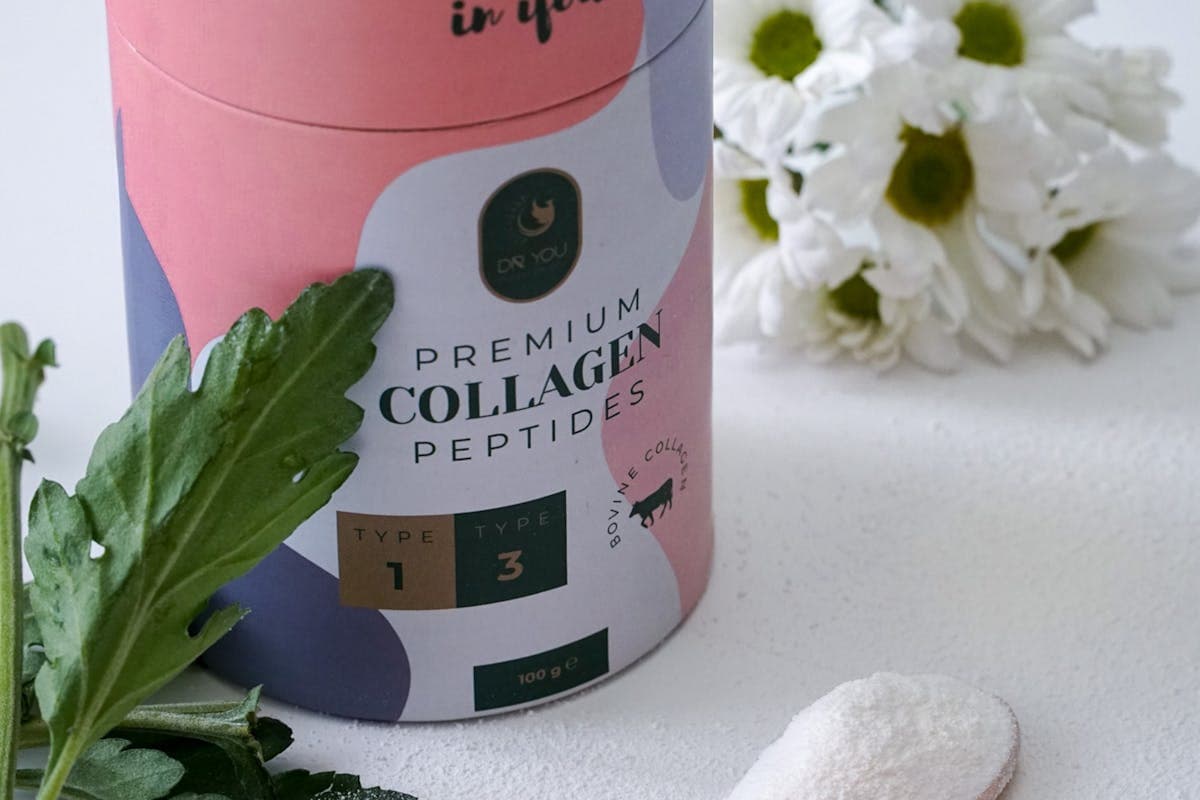
Most "shilajit vs collagen" posts treat these like rival anti-aging picks. They are not. They sit in different lanes, hit different mechanisms, and most readers asking the question would benefit from running both rather than choosing one.
This guide stops pretending it is a contest and gets into the actual chemistry, dosing, and cost. By the end you will know whether you need either, both, or neither.
The Core Difference in One Sentence
Collagen is a structural protein you eat to feed connective tissue. Shilajit is a mineral-rich resin you take to feed mitochondria and improve mineral transport. They do not overlap mechanically.
Head-to-Head Comparison Table
| Factor | Hydrolyzed Collagen | Shilajit |
|---|---|---|
| What it is | Animal-derived peptides (Type I, II, III) | Himalayan/Altai mineral resin with fulvic acid |
| Primary mechanism | Provides amino acids (glycine, proline, hydroxyproline) for endogenous collagen synthesis | Mitochondrial support via DBPs, mineral chaperone via fulvic acid |
| Strongest evidence | Skin elasticity (JCDR 2019, multiple meta-analyses), joint pain in OA | Male fertility (Andrologia 2010), testosterone (Andrologia 2015), fatigue |
| Working dose | 10-15 g/day hydrolyzed peptides | 250-500 mg/day standardized resin |
| Time to evaluate | 8-12 weeks | 8-12 weeks |
| Cost per month | $25-45 | $25-60 |
| Best form | Hydrolyzed peptide powder | Standardized resin (60-80% fulvic acid) |
| Who it's for | Skin firmness, joint pain, post-menopausal connective tissue | Energy, male hormone support, mineral repletion, cognition |
| Stack compatibility | Excellent. Pair with vitamin C for synthesis. | Excellent. Pair with vitamin D and omega-3. |
| Contraindications | Fish/bovine allergies. Pregnancy: probably fine. | Pregnancy/breastfeeding, hemochromatosis, gout flares |
| Quality risk | Low-grade peptides, undisclosed source animal | Heavy metals, fake or coal-tar adulterated product |
What Collagen Is, Chemically
Collagen makes up roughly 30% of total body protein. The hydrolyzed peptides in supplements are pre-cleaved by enzymatic hydrolysis so the average peptide is small enough (2-5 kDa) to survive gastric digestion and contribute amino acids to systemic pools.
Three types matter:
- Type I: skin, bone, tendons. Most relevant for skin elasticity claims.
- Type II: cartilage. The osteoarthritis evidence sits here.
- Type III: skin and vascular tissue. Often co-supplied with Type I in bovine sources.
The 2019 Journal of Drugs in Dermatology (JCDR) review and subsequent meta-analyses found 8-12 weeks of 2.5-15 g daily collagen peptides produced measurable improvements in skin hydration, dermal collagen density, and elasticity. The effect size is moderate, not dramatic.
For joint pain, undenatured Type II collagen at 40 mg daily has reasonable RCT support in mild-to-moderate osteoarthritis.
What Shilajit Is, Chemically
A blackish-brown exudate from rocks at 3,000-5,000 meters elevation, formed over centuries from compressed plant matter. The 2012 Carbonates and Evaporites paper documented its formation geology and mineral profile across Himalayan, Altai, and Caucasian sources.
Three constituents do the work:
- Fulvic acid (50-80% by weight): a low-molecular-weight humic substance. Ghosal's Journal of Ethnopharmacology work established it as a mineral carrier and antioxidant.
- Dibenzo-alpha-pyrones (DBPs): support mitochondrial electron transport.
- Trace minerals: ionic forms of iron, magnesium, zinc, selenium, and ~80 others.
Shilajit does not provide structural protein. Telling readers it "supports collagen production" is technically true only in the sense that any mineral and antioxidant input supports endogenous synthesis. It is not a structural collagen substitute.
Direct Comparison: Where Each Wins
Skin
Collagen wins on direct skin firmness and dermal density. Shilajit contributes peripherally through antioxidant protection and trace minerals. If your specific concern is wrinkle depth or skin hydration, collagen has the data. The richer breakdown sits in shilajit benefits for women.
Joints
Collagen wins for cartilage-specific symptoms. Shilajit can help via systemic anti-inflammatory effects and mineral support but is not a primary joint intervention.
Energy and Cognition
Shilajit wins clearly. Collagen does basically nothing here. The mitochondrial mechanism is unique to shilajit. See brain benefits for the cognitive specifics.
Male Hormonal Support
Shilajit only. The Andrologia 2015 trial (n=96, 250 mg twice daily, 90 days) showed roughly 20% total testosterone elevation. Collagen has zero relevant evidence here. Detail in the testosterone deep-dive and shilajit benefits for men.
Bone Density
Both contribute differently. Collagen provides matrix protein. Shilajit provides minerals and fulvic acid for absorption. Stacking is the rational move if bone health is a primary concern.
Recovery From Training
Both help via different routes. Collagen for tendon and connective-tissue turnover. Shilajit for mitochondrial recovery and oxidative-stress reduction.
Cost Per Month, Realistic Numbers
| Product | Typical monthly cost | Per dose |
|---|---|---|
| Bovine collagen peptides, 10 g/day | $25-35 | $0.83-1.17 |
| Marine collagen, 10 g/day | $35-50 | $1.17-1.67 |
| Standardized shilajit resin, 400 mg/day | $25-60 | $0.83-2.00 |
| Capsule shilajit, 500 mg/day | $20-40 | $0.67-1.33 |
Quality references: Herbs Mill resin, PakShilajit purified, Himalayan Pure Extract Capsules, DBP-verified resin, and Pure Himalayan Organic Resin. Pricing context lives in the price guide.
The Stack Protocol
This is what I actually recommend to readers running both:
| Time | Dose |
|---|---|
| Morning, fasted | 300-400 mg shilajit dissolved in warm water |
| Mid-morning with breakfast or coffee | 10-15 g hydrolyzed collagen peptides + 500 mg vitamin C |
| Evening | Optional second 200 mg shilajit if training hard |
The vitamin C with collagen is non-negotiable because it cofactors prolyl and lysyl hydroxylases during collagen synthesis. Skipping it wastes some of your dose.
For shilajit, format depends on lifestyle. Daily resin works for compliant users. Honeysticks like SHE-Lajit suit travel. Combination products like Be Bodywise with Ashwagandha help if stress is a coexisting factor.
Why "Just Pick One" Is Bad Advice
Anti-aging is multifactorial. Skin and joints lose structural protein with age. Cells lose mitochondrial efficiency. Iron, zinc, and selenium status drift. Telomeres shorten. Choosing collagen because it markets harder on Instagram, or shilajit because a podcaster mentioned it, ignores the fact that a skin-firmness intervention does nothing for your morning energy and a mitochondrial intervention does nothing for your dermal density.
If budget is tight, pick the one that addresses your most pressing complaint and add the other in 12 weeks if you have headroom.
Stacking Rules and Caveats
- Do not exceed 600 mg shilajit daily without physician oversight.
- Pregnant or breastfeeding: avoid shilajit. Collagen is generally tolerated.
- Hemochromatosis or elevated ferritin: skip shilajit because it provides bioavailable iron.
- Fish allergy: avoid marine collagen. Use bovine.
- Both can be taken indefinitely. Some users cycle shilajit per shilajit cycling protocol.
- Side-effect inventory: shilajit side effects.
How to Verify Quality
Collagen: type stated (I, II, III), source animal disclosed, hydrolyzed (not denatured), no unnecessary fillers.
Shilajit: lab certificate available, fulvic acid percentage stated, geographic origin specified, heavy-metal panel current. Filters in at-home quality tests, lab certification and COAs, sourcing standards, and pure shilajit. Cleaner higher-end picks include BeepWell resin, SHILAJOY resin, and HealthForce Supreme.
When Neither Is the Right Answer
If you sleep five hours, eat a protein-poor diet, and skip strength training, no supplement stack closes the gap. Shilajit and collagen are accelerants on top of a working baseline. They are not substitutes for it.
If you are pregnant, breastfeeding, or planning either within six months, default to collagen alone and revisit shilajit afterward.
For a broader benefits map, the complete benefits guide covers everything beyond the collagen comparison. For starter dose mechanics, see how to take shilajit and the dosage guide. And if you decide shilajit alone is not pulling weight, the troubleshooting framework lives in why shilajit isn't working.
Final Read
Collagen and shilajit are not the same supplement category and they should not be discussed as if they were. Run the stack if your goals span skin and energy. Run one in isolation if your goal is narrow. Test something concrete (skin photos, ferritin, morning energy on a 1-10 scale) at week 0 and week 12 so you can answer this for your own body rather than for the internet's.
How we research this content
This article was written by Paula Kessler and reviewed against published research and traditional sources by the Clean Shilajit editorial team. Where we reference studies, we link to them so you can read the original.
This content is for education and is not medical advice. It follows our editorial guidelines and is updated as new evidence emerges. Always speak with a qualified healthcare provider before changing your supplement routine.
Ready to Experience Pure Shilajit?
Check out our recommended products and start your wellness journey today.
View Recommended ProductsRelated Articles
Shilajit vs Tongkat Ali: Two Testosterone Pathways, How to Stack
Shilajit and tongkat ali both support testosterone but through different pathways. Eurycomanone vs DBPs, dose, evidence, and a stacking protocol with TRT caveats.
Shilajit vs Maca Root: Mineral Resin Versus Cruciferous Root
Shilajit and maca root are not the same category of supplement. One is a mineral-rich resin, the other is a phytoestrogen-active food. Mechanism, evidence, and dosing compared.
Shilajit vs Creatine: Honest Comparison for Lifters and Endurance Athletes
Shilajit is not a creatine substitute. Here is the real head-to-head, including mechanism, evidence, cost per month, and why most serious athletes should run both.