
Shilajit vs Creatine: Honest Comparison for Lifters and Endurance Athletes

If your goal is more weight on the bar this quarter, creatine wins. That is the unambiguous answer and any "shilajit vs creatine" article that hedges on this is selling something. Creatine monohydrate has roughly 25 years of high-quality evidence at 5 grams per day. Shilajit's research base is meaningful but narrower and aimed at different outcomes.
The interesting question is not which to pick. It is which jobs each does well and whether the stack makes sense for your sport. This guide answers both.
Head-to-Head Comparison Table
| Factor | Creatine Monohydrate | Shilajit |
|---|---|---|
| Mechanism | Phosphocreatine resynthesis for short-burst ATP | Mitochondrial respiration (DBPs) and mineral transport (fulvic acid) |
| Strongest evidence | Strength, power, lean mass (hundreds of RCTs since ~1995) | Male testosterone (Andrologia 2015 n=96), oligospermia (Andrologia 2010 n=35), altitude adaptation (DIPAS) |
| Working dose | 5 g/day, no loading required | 250-500 mg/day standardized resin |
| Time to evaluate | 4 weeks for strength gain, 1-2 weeks if loading | 8-12 weeks for hormonal/energy effects |
| Cost per month | $5-15 | $25-60 |
| Best form | Micronized monohydrate powder | 60-80% fulvic acid resin |
| Effect on 1RM strength | Clear gain (3-8% over baseline) | No direct evidence |
| Effect on endurance | Mild benefit late-session via repeated bursts | Better mitochondrial function, oxygen utilization |
| Effect on recovery | Modest | Stronger antioxidant and anti-inflammatory effect |
| Effect on hormones | Neutral | Testosterone elevation in low-normal men |
| Effect on body composition | Lean mass increase, water retention 1-2 kg | Negligible direct effect |
| Stack compatibility | Excellent | Excellent |
| Contraindications | Rare. Caveat: kidney disease (no evidence of harm in healthy) | Pregnancy, hemochromatosis, gout flares, anticoagulants |
What Creatine Actually Does
Creatine is stored in muscle as phosphocreatine and donates a phosphate to ADP during short, hard efforts to regenerate ATP. The net result over a training block is more total work, more reps at the heavy end, and roughly 1-2 kg of lean mass plus intracellular water within 4-8 weeks.
The 2022 Journal of Strength and Conditioning Research review on alternative creatine forms reaffirmed monohydrate as the gold standard. The fancy chelated forms cost more and do not outperform.
Standard protocol: 5 g daily with any meal. Skip the loading phase unless you have a reason to saturate quickly. Hydrate normally.
What Shilajit Actually Does
Three mechanisms drive its effects:
- Dibenzo-alpha-pyrones support mitochondrial electron transport. This is the "deeper" energy claim and it is not analogous to creatine's phosphocreatine pool.
- Fulvic acid acts as a mineral chaperone, improving uptake of iron, zinc, magnesium, and others (Ghosal, Journal of Ethnopharmacology).
- Antioxidant and anti-inflammatory load reduces post-exercise lipid peroxidation and oxidative damage.
Pandit's 2015 Andrologia trial gave 250 mg twice daily for 90 days to healthy men aged 45-55 and saw approximately 20% rise in total testosterone. That matters more for masters lifters and recovery than for hitting a peak rep at age 24.
If you want the mechanism breakdown in full, what shilajit does covers it. The geological side sits in what shilajit actually is.
Where Creatine Wins, Plainly
- One-rep maxes
- Top-end set volume on heavy days
- Short sprints, jumps, throws
- Lean mass accrual paired with progressive overload
- Cost per dose
This is not close. Pull creatine from a strength athlete's stack and most will lose 3-8% of their working weights inside two weeks. Pull shilajit and they will not notice on the bar.
Where Shilajit Wins, Plainly
- Hormonal context for men in their late 30s and beyond
- Recovery between heavy sessions, especially during high-volume blocks
- Altitude work and high-elevation training camps
- Sustained daily energy and cognitive clarity
- Mineral status if your diet is suboptimal
- Sleep quality (anecdotal but consistent in user reports)
For the hormone-specific case, see the testosterone deep-dive and shilajit benefits for men. For altitude, the full list of uses has the protocol.
Cost Per Month
| Stack | Approx monthly cost |
|---|---|
| Creatine alone (5 g/day) | $5-15 |
| Shilajit alone (400 mg/day standardized resin) | $25-60 |
| Both | $30-75 |
Verified shilajit picks: Kapiva endurance, Root Labs ShilAbsorb, Himalayan organic resin extract, HealthForce Supreme, NutroTonic, and Pure Himalayan metabolism. Buying context in the price guide.
The Stack Protocol
For a strength athlete training four to six days per week:
| Time | Dose |
|---|---|
| Morning, with food or coffee | 5 g creatine monohydrate |
| Morning, fasted (or 30 min apart from creatine) | 300-400 mg shilajit in warm water |
| Post-workout, optional | second 200 mg shilajit on heavy days |
The order is not load-bearing. What matters is daily compliance on creatine and consistent shilajit dosing for 8-12 weeks before judging.
Hydration: an extra 500-750 mL of water daily covers the mild intracellular shift creatine produces and supports renal clearance.
Sport-Specific Calls
Powerlifting, Olympic weightlifting, sprint events: creatine is mandatory, shilajit is optional. Add shilajit if you are over 35 or training in a hard cut.
CrossFit, mixed-modal, team sports: stack both. Creatine for the explosive demands, shilajit for recovery and hormonal headroom across long seasons.
Endurance running, cycling, triathlon: creatine helps less but is not useless for repeated efforts. Shilajit is more interesting here, particularly at altitude. Lower creatine doses (3 g/day) are reasonable for weight-sensitive athletes.
Combat sports with weight classes: creatine carries 1-2 kg of water that can complicate cuts. Time it: load only off-camp, drop to maintenance during cut. Shilajit does not carry water weight.
Masters athletes (40+): stack both. The hormonal and recovery story for shilajit gets more compelling with age, and creatine becomes a hedge against sarcopenia.
What the Research Actually Shows
Creatine: the body of evidence is enormous. Position stands from the International Society of Sports Nutrition and multiple Cochrane-style reviews converge on the same result. Average ~5-15% strength gain on top of training over an 8-12 week block.
Shilajit: smaller body, but the trials that exist are reasonably designed.
- Pandit et al, Andrologia 2015. n=96, 250 mg twice daily, 90 days. Total testosterone +20%, free testosterone improvements, DHEA-S elevations.
- Pandit et al, Andrologia 2010. n=35 oligospermic men, 100 mg twice daily, 90 days. Sperm count +60%, motility +12%.
- DIPAS (Indian Defence Institute) studies on hypobaric hypoxia and altitude adaptation in soldiers.
- Multiple small fatigue and mitochondrial-function trials with consistent direction of effect but limited sample sizes.
Direct shilajit-on-strength trials are thin. Anyone telling you shilajit replaces creatine for raw strength is reading data that does not exist.
Side Effects and Safety
Creatine: gastrointestinal discomfort at high single doses, water retention, occasional cramping if dehydrated. The kidney concern is overblown for healthy users. Anyone with pre-existing kidney disease should clear it with a nephrologist. Headlines about creatine and hair loss come from a single study showing DHT elevation that has not replicated in measured hair loss.
Shilajit: mild GI upset on starting, possible iron accumulation with chronic high-dose use, contraindicated in pregnancy, breastfeeding, hemochromatosis, and active gout. Mild antiplatelet effect: stop two weeks before surgery. Full inventory at shilajit side effects. The product itself must be lab-tested. Examples of verified products in the market include the DBP-tested option, authentic genuine Himalayan, and Siberian Altai.
Quality Verification
Creatine: choose pure micronized monohydrate, ideally with Creapure certification. Avoid blends marketed as proprietary mixes.
Shilajit: lab certificate, fulvic acid percentage, source disclosed, heavy-metal panel. Filters in at-home quality tests, lab certification and COAs, sourcing standards, pure shilajit, and best shilajit brands.
Common Mistakes
- Quitting shilajit at week 3 because nothing is happening. The hormone trials ran 90 days for a reason. See why shilajit isn't working.
- Quitting creatine because of bloating in week one. The water shift is mostly intracellular and stabilizes.
- Loading creatine when you do not need to. Skip the 20 g/day phase. It just makes your stomach hate you.
- Using gummies or low-grade powder shilajit and expecting trial-grade results.
- Stacking shilajit with iron supplements. Shilajit already provides bioavailable iron. Dose mineral status, do not double up blindly.
Bottom Line
Creatine is a strength tool. Shilajit is a recovery and hormonal tool. They do not compete. If you can only afford one and your goal is more on the bar, take creatine and reinvest the savings into protein. If you can afford both and you train hard year-round, run the stack. Detail on form selection in shilajit resin, shilajit capsules, how to take shilajit, and dose specifics in the dosage guide.
Pick a 90-day block, stack honestly, log your sessions, and let the numbers tell you whether the combo is worth the cost in your context.
How we research this content
This article was written by Paula Kessler and reviewed against published research and traditional sources by the Clean Shilajit editorial team. Where we reference studies, we link to them so you can read the original.
This content is for education and is not medical advice. It follows our editorial guidelines and is updated as new evidence emerges. Always speak with a qualified healthcare provider before changing your supplement routine.
Ready to Experience Pure Shilajit?
Check out our recommended products and start your wellness journey today.
View Recommended ProductsRelated Articles
Shilajit vs Sea Moss: Mineral Resin Versus Iodine-Rich Algae
Shilajit and sea moss are mineral-dense from different sources, with very different risks. Iodine, fulvic acid, dose, and a real comparison table inside.
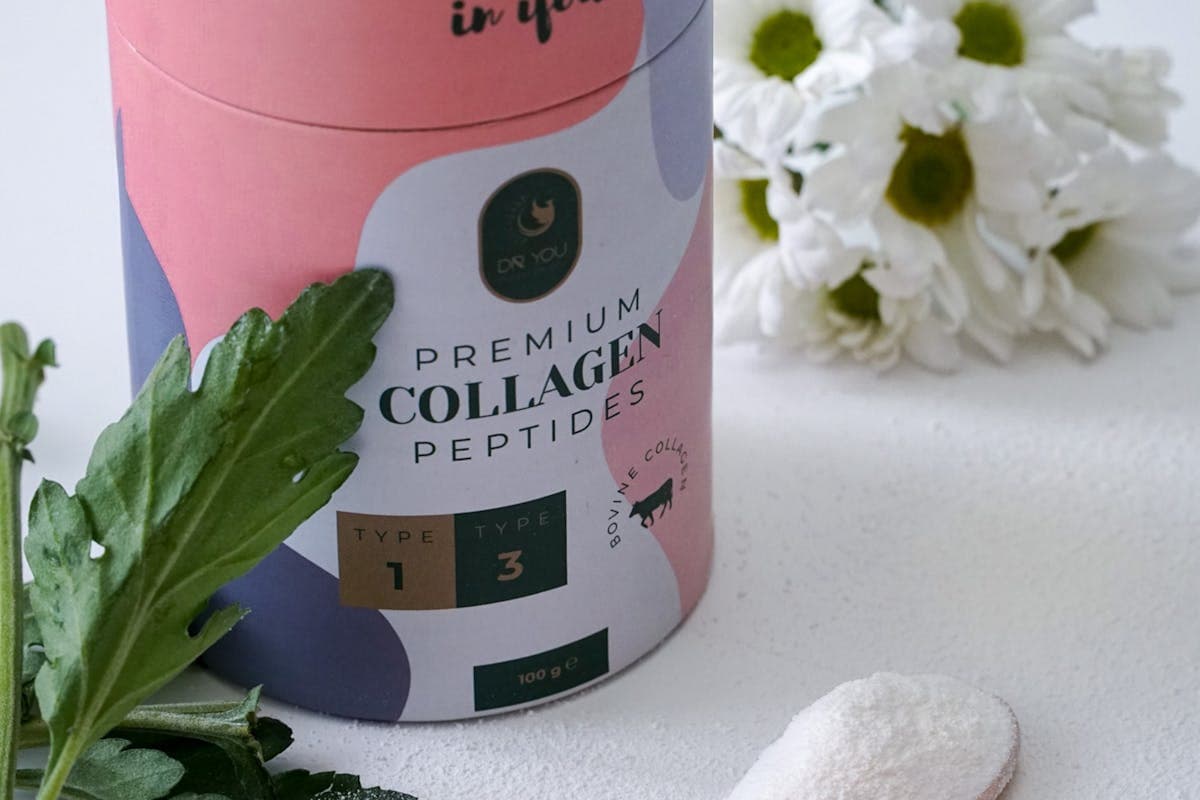
Shilajit vs Collagen: Two Different Mechanisms, Stack Don't Pick
Shilajit and collagen are not competitors. One is a structural protein, the other is a mineral and mitochondrial support. Here is the head-to-head and why most readers should stack rather than choose.
Shilajit vs Tongkat Ali: Two Testosterone Pathways, How to Stack
Shilajit and tongkat ali both support testosterone but through different pathways. Eurycomanone vs DBPs, dose, evidence, and a stacking protocol with TRT caveats.