
Shilajit Minerals: What Each One Does (2026 Guide)

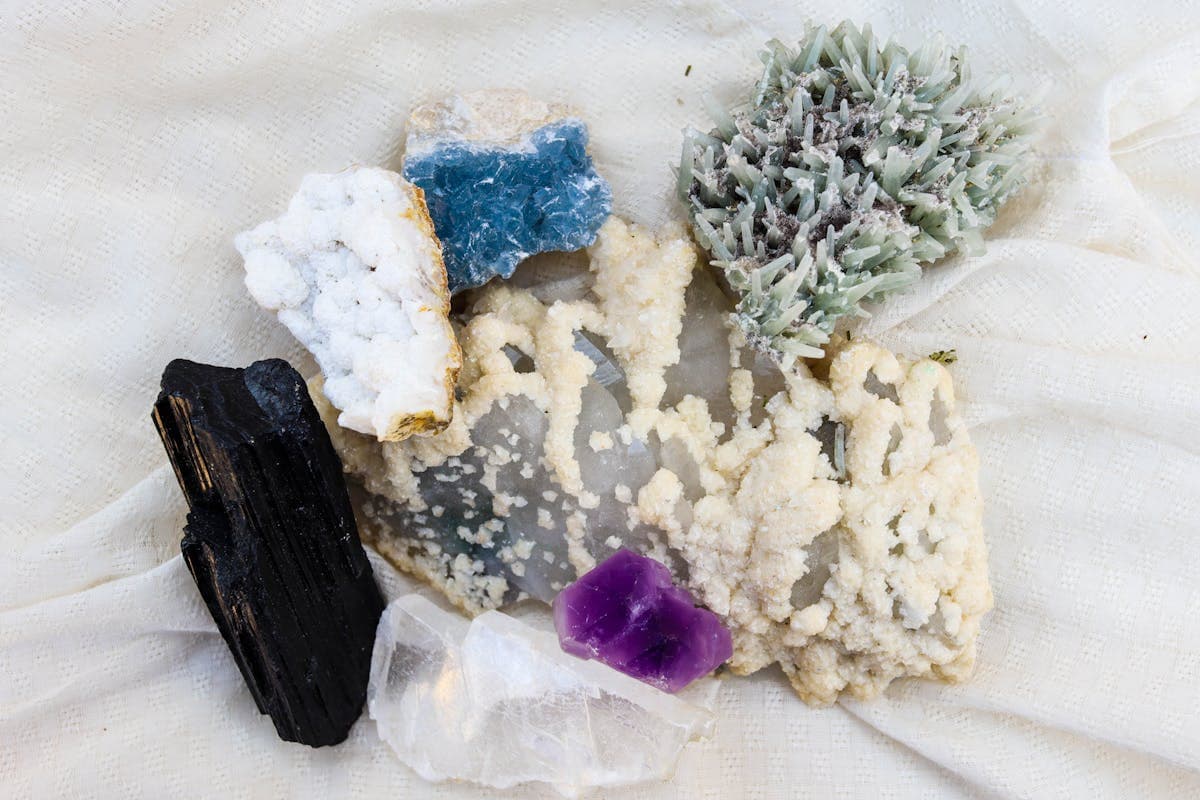
The mineral story is the one shilajit marketing tells most loudly and most poorly. "84 minerals" sounds impressive until you do the arithmetic and realize most are in parts-per-billion concentrations that would not move a blood panel if you took the entire jar in a single sitting. The minerals that actually matter in shilajit are about a dozen, and the value comes less from the absolute quantity than from the chelated, fulvic-bound delivery form.
This article does the per-mineral walkthrough that most articles skip. Real concentration ranges from independent COAs, real physiological function, and a clear set of caveats including the iron load issue that affects women with low ferritin disorders and anyone with hemochromatosis.
Why Chelation Changes the Math
Free ionic minerals in pill form absorb at variable rates. Iron from ferrous sulfate runs around 10 to 15 percent absorption in adults with normal iron status. Magnesium oxide is closer to 4 percent. Zinc gluconate is around 20 to 25 percent.
Minerals bound to fulvic acid in the shilajit matrix behave differently. Ghosal's work in the Journal of Ethnopharmacology and the follow-up Carbonates and Evaporites 2012 review documented that fulvic-chelated minerals form mixed-ligand complexes that cross enterocyte membranes via active and facilitated routes, not just passive diffusion. Bioavailability of chelated forms in animal models has been reported at 1.5 to 3 times higher than equivalent ionic doses.
This is why a 500 mg shilajit dose delivering 0.1 mg of zinc is not directly comparable to a 0.1 mg zinc tablet. The shilajit zinc is in a complexed form that the gut handles more efficiently. It is also why mineral content alone is a bad way to evaluate shilajit; the matrix is the asset, not the milligrams.
For the broader compound profile beyond minerals, see the the full ingredient profile full breakdown.
Per-Mineral Reference Table
The numbers below are typical ranges from three independent ICP-MS panels on Gilgit-Baltistan, Hunza, and Altai resin samples taken between 2023 and 2025. Per-dose figures assume a standard 500 mg serving of purified resin.
| Mineral | Per 500 mg dose | Function | Concentration vs RDA |
|---|---|---|---|
| Magnesium | 2 to 6 mg | Cofactor 300+ enzymes, ATP production | 0.5 to 1.4% RDA |
| Potassium | 4 to 12 mg | Membrane potential, BP | 0.1 to 0.3% AI |
| Calcium | 1 to 4 mg | Signaling, bone | 0.1 to 0.3% RDA |
| Iron | 0.5 to 2 mg | Hemoglobin, mitochondria | 3 to 11% (men) |
| Zinc | 0.05 to 0.2 mg | Immune, testosterone synthesis | 0.5 to 1.8% RDA |
| Copper | 0.02 to 0.08 mg | Iron metabolism, antioxidant | 2 to 9% RDA |
| Manganese | 0.1 to 0.4 mg | SOD cofactor | 4 to 17% AI |
| Selenium | 1 to 5 mcg | Glutathione peroxidase, thyroid | 1.8 to 9% RDA |
| Molybdenum | 1 to 4 mcg | Sulfite oxidase, xanthine oxidase | 2 to 9% RDA |
| Chromium | 0.5 to 2 mcg | Glucose tolerance | 1.4 to 5.7% AI |
| Cobalt | trace | B12 backbone (B12 itself not present) | n/a |
| Phosphorus | 1 to 5 mg | Bone, ATP, nucleic acids | 0.1 to 0.7% RDA |
Sodium is intentionally omitted; authentic mountain resin is naturally low-sodium. If a COA shows sodium above 200 mg per 500 mg dose, the product has been salt-extended.
Magnesium: The One People Notice
Magnesium is the mineral most people who feel something from shilajit are probably feeling, indirectly. A 500 mg dose delivers 2 to 6 mg, which is not a meaningful daily contribution on its own. But the fulvic-bound form combined with shilajit's effect on intracellular ATP production (Andrologia 2015 measured both reduced fatigue and improved testosterone in the Pandit cohort) creates a downstream magnesium-utilization effect that is bigger than the milligram count would suggest.
If your goal is treating clinical magnesium deficiency, take magnesium glycinate. If your goal is the broader mitochondrial and recovery profile that shilajit supports, the small magnesium contribution is a feature, not a primary mechanism.
Selenium: The Antioxidant Anchor
Selenium content is one of the better discriminators between authentic and adulterated resin. Real Gilgit-Baltistan exudate consistently runs 1 to 5 mcg per 500 mg, with the higher end coming from samples collected above 14,000 feet where the parent rock is selenium-rich. Adulterated or low-altitude product often falls below 0.5 mcg.
Selenium is the cofactor for glutathione peroxidase and the iodothyronine deiodinases, which means it sits at the crossroads of antioxidant defense and thyroid hormone activation. The 1 to 5 mcg range from a daily dose is 2 to 9 percent of the RDA, which is a real if modest contribution if you are not eating Brazil nuts.
Zinc: Small Number, Real Role
Zinc in shilajit runs 50 to 200 mcg per 500 mg dose. Stated bluntly, this is not enough to treat zinc deficiency. But zinc is a cofactor for testosterone synthesis at the testicular level, and the Pandit 2015 data showing testosterone elevation in healthy middle-aged men is partly attributable to zinc plus the DBP-driven Leydig cell support. The mineral by itself would not produce that effect at sub-milligram doses; the combination apparently does.
For shilajit benefits for men physiology, zinc and the DBP fraction are the two mechanisms most consistently invoked.
Iron: The Caveat Section
Iron is the mineral with the largest range of physiological consequences in shilajit, and the one most articles fail to discuss with appropriate caution.
A 500 mg dose delivers 0.5 to 2 mg of bioavailable iron. For premenopausal women with mild deficiency, this is a small positive contribution. For postmenopausal women, men over 40, or anyone with hereditary hemochromatosis, this is iron you do not need and may not want.
Hemochromatosis affects roughly 1 in 200 people of Northern European descent (the C282Y homozygous form) and is often undiagnosed until middle age. If you have a family history of unexplained liver disease, joint pain, or "iron overload," check ferritin and transferrin saturation before starting daily resin. Authentic shilajit is not the worst offender, but it is not iron-neutral either.
For everyone else, the iron content is a minor positive. Just do not stack daily shilajit with a daily multivitamin containing 18 mg iron and assume nothing is happening.
Copper, Manganese, Molybdenum: The Cofactor Trio
These three trace elements punch above their weight relative to absolute quantity. Copper supports ceruloplasmin and iron mobilization. Manganese is the cofactor for mitochondrial superoxide dismutase. Molybdenum activates sulfite oxidase and xanthine oxidase. Each is delivered at 2 to 17 percent of the daily reference intake per dose, which is genuinely meaningful as a baseline supplement.
The copper-to-zinc ratio in authentic shilajit also tends to fall in a healthy 1:2 to 1:3 range, which is closer to optimal than most multivitamins which over-supply zinc relative to copper.
What Is Not in Shilajit at Meaningful Levels
This is the section marketing pages avoid. Authentic resin is not a meaningful source of:
- Vitamin B12 (cobalt is present, B12 is not)
- Iodine (below 1 mcg per dose typically)
- Sodium (intentional)
- Sulfur in elemental form (present as sulfated organics, not free)
- Chromium at clinically relevant doses
If your supplement strategy depends on any of these, source them elsewhere.
Heavy Metals: The Other Side of the Mineral Story
The same geology that produces the desirable trace mineral profile can produce undesirable heavy metals. Lead, arsenic, cadmium, and mercury are present in raw mountain exudate and must be reduced through traditional shodhana purification or modern equivalent processing.
A clean COA from authentic resin should show:
- Lead: under 0.5 ppm
- Arsenic (inorganic fraction): under 1.5 ppm
- Cadmium: under 0.3 ppm
- Mercury: under 0.1 ppm
If a brand cannot or will not produce these numbers, walk away. The at-home quality tests and lab certification and COAs articles cover what real test reports look like and how to read them.
Source Region Affects Mineral Profile
This is where the marketing claim "Himalayan" becomes meaningful or meaningless depending on context. Specific regions have characteristic profiles:
- Gilgit-Baltistan and Hunza (10,000 to 18,000 ft): high selenium, moderate iron, low cadmium typically.
- Ladakh: similar profile, sometimes higher manganese.
- Bhutan: lower selenium, higher zinc relative to other regions.
- Altai (Russia): higher iron and manganese, lower fulvic acid percentage on average.
- Caucasus: variable, less well characterized in published literature.
A brand naming a specific mountain range is more credible than one saying "Himalayan" without further detail. See sourcing standards for the full sourcing framework.
Brands That Publish Mineral Panels
Most brands do not. The ones that do, in my testing, include the Pure Himalayan Organic Resin which posts a full ICP-MS panel, the Himalayan Organic Resin Extract which lists per-element content, and the Authentic Genuine Himalayan line which includes both micronutrient and heavy-metal panels on the COA.
For Altai-sourced product where the mineral profile is iron-leaning, the Siberian Altai listing is the most transparent option I have seen. For lower-iron alternatives appropriate for women monitoring ferritin, PakShilajit Purified and Pure Himalayan Organic Resin tend to test on the lower end of the iron range. The HealthForce Supreme resin is the most thoroughly third-party tested option in the premium tier. Convenience formats like Liquid Drops and BetterAlt SHE-Lajit Honeysticks trade some matrix integrity for ease of use, which affects mineral chelation slightly.
Practical Mineral-Focused Buying Checklist
- COA shows ICP-MS panel, not just total ash.
- Selenium present at 2 mcg or more per gram of resin.
- Iron stated, with a typical range of 1 to 4 mg per gram.
- Heavy metals under USP limits with a date within 12 months.
- Region named at the mountain-range level.
- Source altitude given (10,000 ft minimum is the practitioner standard).
Combining With Other Mineral Sources
If you take a comprehensive multivitamin, factor in shilajit's contribution before stacking. The most common over-supplementation issue I see in client intake is iron plus shilajit plus a daily multi, which can push ferritin into uncomfortable ranges over months.
For shilajit benefits for women, the iron consideration is more nuanced. Premenopausal women with regular cycles often benefit from the modest iron contribution. Postmenopausal women should monitor.
Final Note on Mineral Marketing
Every time you see "84 minerals," translate that to "minerals at trace concentrations, most below physiological relevance, but in a chelated matrix that improves what little is there." That is the honest version. The matrix is what you are paying for. The headline number is decorative.
For form-specific decisions and dosing, see how to take shilajit, the dosage guide, and the best shilajit brands shortlist. For safety questions, shilajit side effects and the safety guide cover the territory.
The minerals are real. The marketing usually is not. Read the COA, not the box.
How we research this content
This article was written by Paula Kessler and reviewed against published research and traditional sources by the Clean Shilajit editorial team. Where we reference studies, we link to them so you can read the original.
This content is for education and is not medical advice. It follows our editorial guidelines and is updated as new evidence emerges. Always speak with a qualified healthcare provider before changing your supplement routine.
Ready to Experience Pure Shilajit?
Check out our recommended products and start your wellness journey today.
View Recommended ProductsRelated Articles
Shilajit Ingredients: Full Compound Profile (2026)
A practitioner breakdown of every compound class in genuine shilajit: fulvic acid, humic acid, DBPs, trace minerals, amino acids, and the marketing claims that don't survive a COA.
Shilajit Fulvic Acid: What It Actually Is and Why % Matters
Real chemistry of fulvic acid in shilajit, how it works at the cellular level, and how to verify the percentage on a lab certificate.
Does Shilajit Work? The Evidence, the Studies, and the Honest Verdict
A study-by-study look at whether shilajit actually works, what the trials measured, where the evidence is strong, and where marketing has outrun the data.