
Shilajit Near Me: The Honest Local Buying Reality (and When to Skip It)

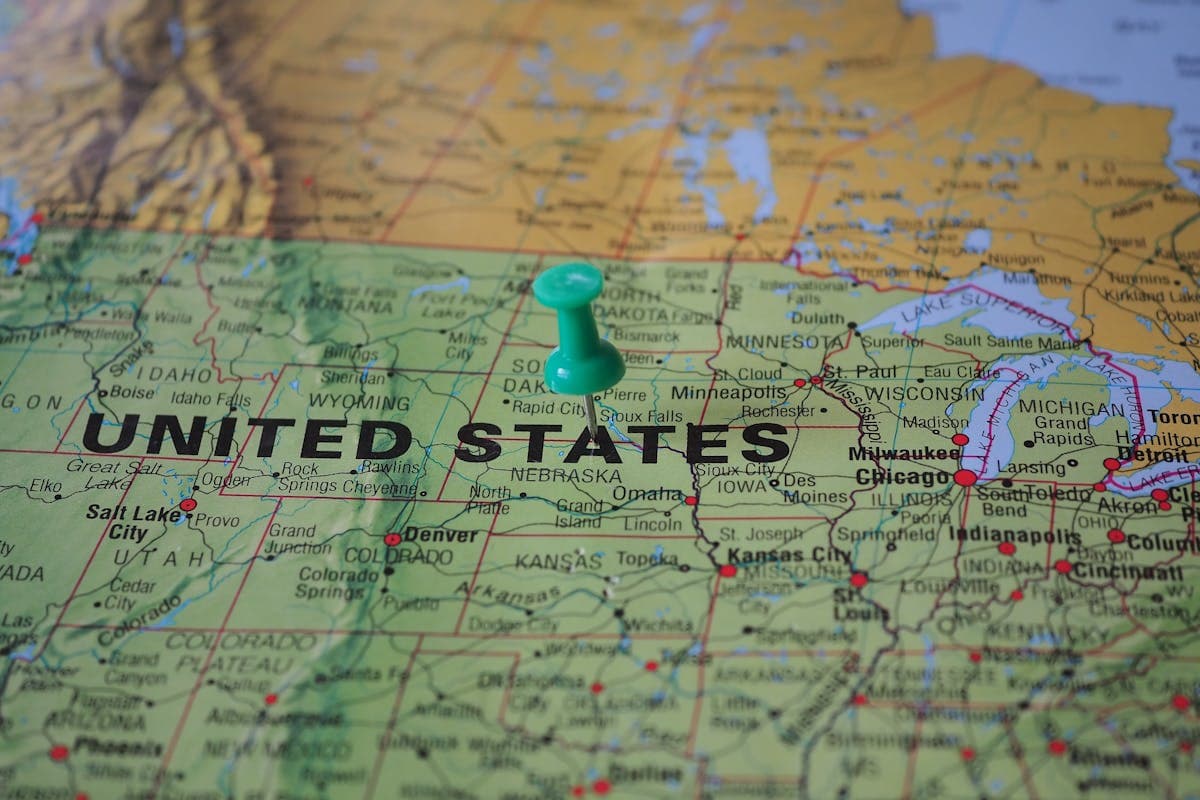
The honest answer to "shilajit near me" in most U.S. and Canadian metro areas: probably not at the chain you are thinking of. Shilajit sits in a specialty corner of the supplement market, and the brands worth buying lean online by default because their margin-to-COA-disclosure economics do not work in chain retail. This guide tells you where local shopping actually pays off, where it does not, and when ordering from Amazon or direct-to-consumer is the working answer.
The Local-Shopping Reality
A representative state-of-the-shelf survey in 2024 and 2025 across U.S. retail:
| Outlet | Shilajit availability | Quality of what is stocked |
|---|---|---|
| Walmart | Online listing only at most stores; in-store rare | Budget tier, generic COA |
| CVS, Walgreens | Effectively none | n/a |
| GNC | 30 to 50 percent of stores | Mostly capsules; mid-tier |
| Vitamin Shoppe | Roughly half of stores | Capsules and powders, mid-tier |
| Whole Foods | Rare; coastal stores more likely | When stocked, usually premium |
| Sprouts | Occasional | Mid-tier |
| Independent health food store | Hit-or-miss | Variable; sometimes premium |
| Indian, Pakistani, or Nepali grocery | Common in metros with the community | Variable; often classical formulations |
| Ayurvedic clinic or shop | Common in metros with such clinics | Often the best local option |
| Naturopathic or integrative clinic | Some clinics dispense | Premium when stocked |
The consistent pattern: chain retail rarely matches what online specialists offer. The exception is metropolitan areas with active South Asian retail communities, where Ayurvedic shops and specialty groceries carry classical-formulation shilajit at competitive prices.
Where Local Shopping Pays Off
Three local categories actually work in 2025.
Ayurvedic shops in South Asian communities. Jackson Heights and Iselin in the New York metro, Devon Avenue in Chicago, Artesia in Los Angeles, Hillcroft in Houston, Devon and Pioneer in Toronto, Southall in London, Harris Park in Sydney. These shops typically carry resin formats from Indian and Nepali brands, often with prices below what online U.S. retailers charge. The catch: COA documentation is usually unavailable in English. You buy on brand reputation and physical inspection.
Naturopathic and integrative clinics. Clinic-dispensed supplements come with a clinical recommendation and tend to be premium. Pricing is usually 20 to 40 percent above online. The value is the practitioner consultation, not the product cost.
Independent health food stores in college and wellness-heavy metros. Berkeley, Boulder, Asheville, Burlington, Portland, Austin, Madison. Selection varies by store; phone ahead.
The chains and pharmacies are not where serious shilajit shopping happens. They stock what sells; shilajit is a specialty SKU.
State and Country Variance in the U.S. and Beyond
A loose breakdown:
| Region | Local availability | Notes |
|---|---|---|
| New York, New Jersey, California (Bay Area, LA), Illinois (Chicago), Texas (Houston, Dallas) | Best | South Asian retail communities anchor local supply |
| Pacific Northwest, Colorado, Vermont, North Carolina | Moderate | Independent health stores |
| Midwest small metros, Mountain West rural, Deep South rural | Low | Online dominates |
| Canada (Toronto, Vancouver, Calgary) | Moderate to good | Naturopathic dispensing common; Ayurvedic shops in major metros |
| UK (London, Birmingham, Manchester, Leicester) | Good | Holland and Barrett rarely stocks; Indian shops do |
| Australia | Moderate | See buying shilajit in Australia for the Sydney and Melbourne breakdown |
Shipping cost and import duties shift the math when you live outside the U.S. major metros. Online from a U.S. retailer to rural Australia adds 15 to 40 percent in shipping; sourcing from Indian or Pakistani co-packers often runs cheaper but with longer lead times and inconsistent COA disclosure.
When to Buy Online Instead
The case for online is straightforward in 2025:
- The premium tier of the U.S. market sells primarily through Amazon and direct-to-consumer.
- COAs are downloadable on the better product pages.
- Reviews surface QC issues faster than store-aisle observation.
- Pricing is transparent and competitive.
- Selection is several orders of magnitude wider than any chain.
Amazon is the workhorse. Direct-to-consumer brand sites compete on subscription pricing and bonus content. Specialty supplement retailers (iHerb, Vitacost, Thrive Market) are workable backups but rarely beat Amazon on shilajit specifically.
Pool products that ship through Amazon and disclose COAs:
- Resin: Herbs Mill Himalayan Shilajit Essential, BeepWell Resin, Authentic Genuine Himalayan SHILAJIT, Pure Himalayan Organic Resin Shilajit, BetterAlt Himalayan, PakShilajit Purified, SHILAJOY, NutroTonic, HealthForce Shilajit Supreme, DBP-Verified NATURAL SHILAJIT Resin.
- Bulk: Pure Himalayan Shilajit Resin Pack of 4, 50 g Maximum Strength jar.
- Capsule: Himalayan Pure Extract Capsules, Be Bodywise + Ashwagandha.
- Liquid: Himalayan Shilajit Liquid Drops.
- Combination: Shilajit Gummies with Ashwagandha, Pure Himalayan Shilajit Gummies with Ashwagandha, Shilajit and Sea Moss Capsule.
- Bioavailability: Root Labs ShilAbsorb.
- Cognitive: Essencraft, Essencraft alt SKU.
- Format alternatives: Hand Collected Himalayan, Ajoblanco Pure Himalayan, Pure Shilajit Liquid Drops with 7 Mushroom Blend, BetterAlt SHE-Lajit Honeysticks.
- Region: Authentic Siberian Altai Golden Mountains Shilajit.
For the Amazon buying flow specifically see the Amazon buying guide.
A Pre-Visit Checklist for Local Stores
If you are calling a local shop before driving over:
- Do you stock shilajit in resin form? (capsules and powders are easier to find; resin is the credibility check)
- Brand and country of origin?
- Can you share the COA or batch certificate?
- Price per 30 g?
- Return policy if the product fails my home authentication tests?
A shop that answers all five readily is worth a visit. A shop that answers two of five sells supplements without specializing in them.
Local Authentication Tests Before You Pay
If you cannot review a COA in store, run the field tests on a small sample before walking out with a 30 g jar:
- Solubility in 50 to 60 C water; should fully dissolve in 5 minutes into deep amber.
- Pliability between two warmed spoons; should stretch.
- Smell; earthy and slightly smoky, not chemical.
The full physical and lab authentication walkthrough lives at at-home quality tests, with COA reading at lab certification and COAs.
Pricing Comparison: Local vs Online
Approximate 30 g resin pricing across channels in 2025 USD:
| Channel | Budget tier | Working tier | Premium tier |
|---|---|---|---|
| Amazon | 18 to 30 | 30 to 45 | 45 to 80 |
| Direct-to-consumer brand site | n/a | 35 to 50 | 50 to 100 |
| Ayurvedic shop (metro) | 25 to 40 | 40 to 60 | 55 to 90 |
| GNC, Vitamin Shoppe | 30 to 45 | 45 to 70 | not commonly stocked |
| Whole Foods | n/a | 50 to 70 | 75 to 110 |
| Naturopathic clinic | n/a | 50 to 75 | 70 to 130 |
The full pricing context lives at the price guide.
Country-Specific Notes
United States. Online dominates. Amazon premium-tier listings are the working baseline.
Canada. Shilajit is generally unrestricted as a supplement; Health Canada NPN registration adds modest overhead for some brands. Look for an NPN on the bottle.
United Kingdom. Holland and Barrett occasionally stocks capsule formats; Indian and Pakistani specialty shops in London, Birmingham, and Leicester carry classical formulations.
Australia. Therapeutic Goods Administration (TGA) regulates shilajit imports. Some U.S. brands do not ship there; see buying shilajit in Australia for the operational guide.
EU. Novel-food classification questions periodically restrict shilajit listings on Amazon EU. Direct order from a UK or U.S. brand may be the workaround; check duty thresholds.
When to Skip Local Entirely
Five clear signals to default to online:
- The local store cannot produce a COA on request.
- The local price exceeds online by more than 25 percent.
- The local SKU is a capsule and you wanted resin (or vice versa).
- The store staff cannot answer "what is the fulvic-acid content of this product".
- The brand on the shelf has no online footprint to verify.
Any one of these is enough. Two of them together is a guaranteed bad purchase.
Practical Buying Strategy
A reasonable working approach in 2025:
- Search the Amazon listings filtered by COA disclosure and named source region.
- Cross-check brand reputation through review aggregators and the brand's own COA-publishing practice.
- Buy a 30 g jar to start.
- Run physical authentication tests on arrival.
- Run a 12-week trial at 250 to 500 mg daily.
- Reorder if results justify; switch brand if not.
If you have a strong local Ayurvedic shop, add a parallel comparison purchase. The shop will often surprise you on classical formulations; online will reliably win on transparency.
Safety Caveats Throughout
Buying locally does not change the safety profile. Pregnancy and breastfeeding: avoid (insufficient data). Hemochromatosis: avoid (humic substances enhance iron absorption). Anticoagulants, oral hypoglycemics, immunosuppressants, lithium: discuss with your prescriber. Heavy metals are the underlying contamination concern; the COA is what protects you. Full safety review at shilajit side effects.
Frequently Asked Questions
Does GNC sell real shilajit? GNC carries a few mid-tier capsule SKUs in roughly half their stores. Quality is acceptable; selection and pricing trail Amazon.
Are Indian and Pakistani grocery store shilajit products legitimate? Often yes, especially classical formulations from established Indian Ayurvedic brands. The catch is English-language COA documentation is usually missing. Trust the brand reputation and physical authentication tests.
Is Whole Foods worth checking? Only if you are already there. Selection is small; pricing is high.
Should I buy from a naturopath? If you want clinical guidance, yes. The supplement itself is more expensive than online for the same quality.
Best buying strategy if I am rural? Online by default. Amazon Prime delivery covers most of the country in two days.
For the buying decision context across formats see shilajit resin, shilajit capsules, shilajit gummies, and liquid shilajit drops. For the brand and quality framework see best shilajit brands and pure shilajit.
Bottom Line
"Shilajit near me" returns a real answer in metro areas with South Asian retail or strong independent health stores. Everywhere else, online wins on selection, transparency, and pricing. Use local for relationship and immediate need; use online for verified quality. Read the COA either way.
How we research this content
This article was written by Paula Kessler and reviewed against published research and traditional sources by the Clean Shilajit editorial team. Where we reference studies, we link to them so you can read the original.
This content is for education and is not medical advice. It follows our editorial guidelines and is updated as new evidence emerges. Always speak with a qualified healthcare provider before changing your supplement routine.
Ready to Experience Pure Shilajit?
Check out our recommended products and start your wellness journey today.
View Recommended ProductsRelated Articles
Shilajit on Amazon: Honest Buying Guide for 2026
An honest framework for buying shilajit on Amazon, with the COA red flags, fake-review patterns, and per-gram math that separate real listings from filler.
Shilajit Price Guide: Real $/Gram Math & Fair-Price Floor
Real cost-per-gram breakdown across resin, capsules, gummies, powder, and liquid. Why $15 shilajit is suspect and how to calculate a fair-price floor before you click buy.
Shilajit Australia: Honest 2026 Buying Guide for Aussies
Buying real shilajit in Australia: TGA rules, AUD pricing per gram, GST and customs math, climate-aware storage, and the listings worth your money.