
Shilajit Lab Certification: How to Read a COA Section by Section

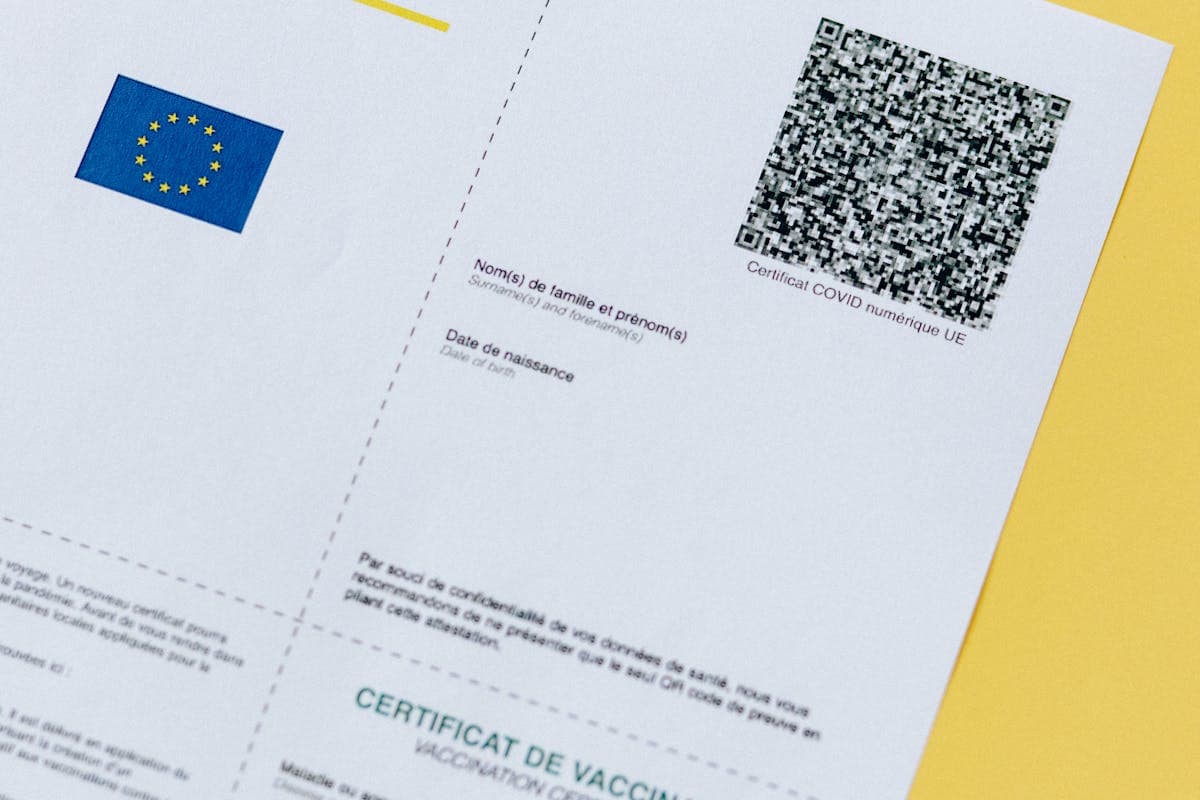
A Certificate of Analysis is the only document that separates a verified shilajit from a marketing claim. Most buyers never see one. Most brands never publish one openly. The few that do publish often hand you a document with terms most readers cannot interpret. This guide walks you through reading a shilajit COA section by section, explains what ISO/IEC 17025 accreditation actually guarantees, and disambiguates the third-party seal soup of NSF, USP, and Informed Sport.
What ISO/IEC 17025 Means (and Doesn't)
ISO/IEC 17025 is an international accreditation standard for testing and calibration laboratories. It does not certify supplement products. It certifies that a laboratory's procedures, equipment calibration, sample chain-of-custody, and analyst competence meet a set of formal quality requirements. When you see a result from an ISO 17025 accredited lab, you know:
- The instruments were calibrated against traceable references.
- The analytical method is validated for the matrix tested.
- The lab maintains documentation auditable by the accreditation body.
You do not know:
- Whether the sample sent matches what is in the consumer jar (the lab tests what it receives).
- Whether the brand cherry-picked a clean batch.
- Whether the listed test methods match the latest ISO or AOAC versions.
Major U.S. labs that accept supplement work and hold ISO 17025 accreditation include Eurofins, SGS, Intertek, NSF International, and Alkemist Labs. ISO 17025 is the credibility floor; the rest of the COA still has to be read.
NSF, USP, and Informed Sport: The Reality for Shilajit
These three programs are commonly invoked in supplement marketing. For shilajit specifically, the picture is thin.
NSF Certified for Sport screens products against a banned-substance list and verifies label claims. As of 2025, very few shilajit SKUs appear on the NSF Certified for Sport registry. The category is rarely chosen for athlete tested-supplement programs.
USP Verified Mark confirms that a supplement contains the ingredients listed on the label, in declared potency, free of harmful contaminants, and made under cGMP. USP verification of shilajit is rare to nonexistent.
Informed Sport (LGC) tests products against the WADA banned substance list. Like NSF, shilajit is uncommon in their certified registry.
What this means: a shilajit brand citing NSF cGMP registration is referencing facility certification, not product certification. The same applies to most "third-party tested" claims. The credibility chain you actually want is: ISO 17025 lab + batch-specific COA + method statements + matchable lot number on the jar. Programs like NSF Certified for Sport are nice to have but not the working standard for this category in 2025.
For the broader ecosystem context see industry trends, and for sourcing claims sourcing standards.
Anatomy of a Real Shilajit COA
A complete COA has eleven sections. Walk through them in order.
1. Lab identity and accreditation. Name, address, ISO/IEC 17025 accreditation number. If the lab is not searchable in a national accreditation registry (ANAB in the U.S., UKAS in the UK, NABL in India), treat the document as unverified.
2. Brand and product identity. Brand name, product SKU, batch or lot number, manufacturing date, sometimes expiry. The lot number must be matchable to the printed lot on the jar you bought.
3. Sample receipt and chain-of-custody. Date received, date analyzed, sample condition. Lab-controlled samples (the lab pulled the sample) are stronger than brand-supplied samples (the brand sent what it wanted tested).
4. Identity testing. This confirms the material is shilajit, typically by HPTLC or HPLC fingerprint matched to a reference standard. The reference for shilajit is dibenzo-alpha-pyrones, the marker family Ghosal characterized in the Journal of Ethnopharmacology series.
5. Fulvic acid content. This is the line buyers care about most and the line most likely to mislead.
| Method | Typical reading | What it measures |
|---|---|---|
| ISO 19822 | 8 to 22 percent | Fulvic acid in whole resin, gravimetric |
| AOAC 2014.01 | 10 to 25 percent | Fulvic acid in commercial products |
| Lamar gravimetric | similar to ISO 19822 | Same principle, different protocol |
| Spectrophotometric | wide variability | Approximation, not authoritative |
| In-house "fulvic and humic combined" | 50 to 75 percent | Both compound classes summed |
A bare "75 percent fulvic acid" claim with no method is almost certainly a humic-substances total or an extract-fraction measurement. A real fulvic-acid number on whole resin is in the 8 to 22 percent range, which is what the DBP-Verified NATURAL SHILAJIT Resin and similar disclosure-forward brands publish.
6. Heavy metals panel. Four metals minimum. Acceptable thresholds:
| Metal | Acceptable in shilajit | California Prop 65 trigger |
|---|---|---|
| Lead | under 0.5 ppm | 0.5 mcg per day |
| Mercury | under 0.1 ppm | 0.3 mcg per day |
| Arsenic (inorganic) | under 1.0 ppm | 10 mcg per day |
| Cadmium | under 0.3 ppm | 4.1 mcg per day |
Method note: ICP-MS is the gold standard. ICP-OES is acceptable. AAS is acceptable for single metals but slower. Speciation matters for arsenic; total arsenic without speciation is less informative.
7. Microbial panel. Total aerobic plate count, yeast and mold, E. coli, Salmonella, sometimes Staphylococcus aureus. USP <2021> and <2023> are the reference standards. Counts should be well within Ph.Eur. or USP supplement category limits.
8. Pesticide and solvent residue. Less common on shilajit COAs because the material is mineral-organic and not agricultural. When a brand uses solvent extraction, gas chromatography for residual ethanol or other solvents should appear. The Himalayan Organic Shilajit Resin Extract and similar extract-format products are the cases where solvent testing matters.
9. Mineral profile. ICP-MS scan covering the trace elements claimed on the label. Authentic shilajit shows a characteristic pattern with calcium, magnesium, potassium, iron, and a wide tail of trace elements. Synthetic adulterants show simplified profiles.
10. Sensory and physical. Color, odor, solubility, texture description. Shilajit-specific physical traits described in at-home quality tests should match the COA's sensory section.
11. Conclusion and signature. A line confirming the sample meets specifications, signed by an analyst or technical director. A COA without signature is a draft.
Sample COA Reading Walkthrough
A working approach when you receive or download a COA:
- Confirm the lab is ISO 17025 accredited (search the accreditation body's registry).
- Match the lot number on the COA to the lot printed on your jar.
- Look for a fulvic acid number with method named. If both are not present, the headline percent is unverifiable.
- Read the heavy metals panel. Compare each metal to the threshold table above. A "passes" without numbers is insufficient.
- Read the microbial panel. All four core organisms should be tested.
- Check the date. A COA older than 12 months for a wild-harvested product is stale.
If the COA fails any of these checks, treat the brand as unverified regardless of the marketing.
What Testing Cannot Tell You
A COA verifies what is in a tested batch. It does not verify:
- That the next batch will match.
- That the resin will work for your specific health goal.
- That sourcing claims are true (a separate audit covers source verification).
- That the manufacturing facility is cGMP compliant (a different audit).
Legitimate quality programs include ongoing batch testing and facility audits. A single beautiful COA from 2022 that the brand has been reusing through 2025 is a marketing prop, not a quality program.
Format-Specific Testing Notes
Resin like Herbs Mill Himalayan Shilajit Essential or BetterAlt Himalayan is the easiest format to authenticate physically (solubility, pliability, refrigeration test). The COA verifies what physical tests cannot.
Capsules like Himalayan Pure Extract Capsules require additional testing on excipients, binders, and capsule shell ingredients. A bioavailability-positioned product like Root Labs ShilAbsorb should disclose what carriers it uses and how they are tested.
Powder. Moisture content matters; excess water enables microbial growth. Look for a moisture content line on the COA.
Liquid like the Himalayan Shilajit Liquid Drops needs preservative testing and carrier-purity confirmation. Alcohol content should match the label.
For the format pillar see shilajit resin, shilajit capsules, and liquid shilajit drops.
Cost of Real Testing
A complete supplement COA from a major U.S. lab runs roughly $400 to $1,200 per batch depending on the panel breadth (identity, fulvic acid, four-metal heavy metals, microbial, mineral profile, residual solvents). Brands batching every 8 to 12 weeks at retail volume are spending real money on testing, which is part of why premium-tier pricing sits where it does. The full pricing breakdown lives at the price guide.
Red Flags
Patterns worth treating as disqualifying:
- One COA shared across multiple SKUs and multiple years.
- "Tested for purity" with no document available on request.
- "Lab tested" with no lab name.
- Heavy metals listed only as "passes" without numeric values.
- Fulvic acid percentage with no method.
- COA older than 18 months.
- Lab name not searchable in any accreditation registry.
- Identical numbers across "different batches" (real wild-harvested material varies).
How to Request a COA from a Brand
Email customer service with the lot number printed on your jar. The reply should arrive within two to five business days with a PDF attached. Reasonable language:
"I purchased lot [number] of [product name]. Please send the Certificate of Analysis for that specific lot, including fulvic acid content with method, four-metal heavy metals panel, and microbial counts."
A brand that cannot or will not deliver this is selling on faith. Move on.
Putting It Together
When you next consider a pure shilajit product, walk through this short checklist:
- ISO 17025 lab on the COA.
- Lot number matches the jar.
- Fulvic acid percentage with method (ISO 19822, AOAC, or named gravimetric).
- Heavy metals: four-metal panel with numeric values.
- Microbial panel: at least four organisms.
- Sourcing region named.
- COA dated within the last 12 months.
Match those seven and you are buying a real product. Miss three or more and you are buying a label.
Representative brands that publish disclosure-forward documentation in the U.S. retail market: the DBP-Verified NATURAL SHILAJIT Resin, Himalayan Organic Shilajit Resin Extract, Himalayan Pure Extract Capsules, Herbs Mill Himalayan Shilajit Essential, Root Labs ShilAbsorb, and the Himalayan Shilajit Liquid Drops.
Safety Caveats Still Apply
Lab certification verifies what is in a batch; it does not eliminate the safety conversation. Pregnancy and breastfeeding: avoid (insufficient data). Hemochromatosis: avoid (humic substances enhance iron absorption). Anticoagulants, oral hypoglycemics, immunosuppressants, and lithium: discuss with your prescriber. Full safety review at shilajit side effects.
For broader benefit context see the complete benefits guide; for testosterone-specific protocol the Andrologia 2015 Pandit study (n=96, 250 mg twice daily, 90 days, ~20 percent total testosterone increase) underpins the dosing in the testosterone deep-dive. Brand selection lives at best shilajit brands.
Bottom Line
A COA is the difference between a verified product and a story. The reading is not difficult once you know what each line is for. The brands willing to publish detailed COAs are betting that buyers who learn to read them will reward the disclosure. Be that buyer.
How we research this content
This article was written by Paula Kessler and reviewed against published research and traditional sources by the Clean Shilajit editorial team. Where we reference studies, we link to them so you can read the original.
This content is for education and is not medical advice. It follows our editorial guidelines and is updated as new evidence emerges. Always speak with a qualified healthcare provider before changing your supplement routine.
Ready to Experience Pure Shilajit?
Check out our recommended products and start your wellness journey today.
View Recommended ProductsRelated Articles

Shilajit Sourcing Standards: Traceability, COA & Lab Disclosure
What real shilajit sourcing standards look like: traceability to a region, COA disclosure, GMP, ISO 17025 third-party heavy-metal testing, and the questions to ask suppliers.
How to Test Shilajit Quality at Home: 7 Methods That Actually Work
Seven home tests that separate authentic shilajit from filler. What each test catches, what it misses, and when a lab COA is the only real answer.
How to Store Shilajit: Temperature, Shelf Life, and Travel Rules
Storage protocols for shilajit resin, powder, capsules, and liquid. Real shelf life numbers, the moisture mistake most users make, and travel-safe options.