
Shilajit Gold: Real Chemistry vs Marketing Behind Premium Resin

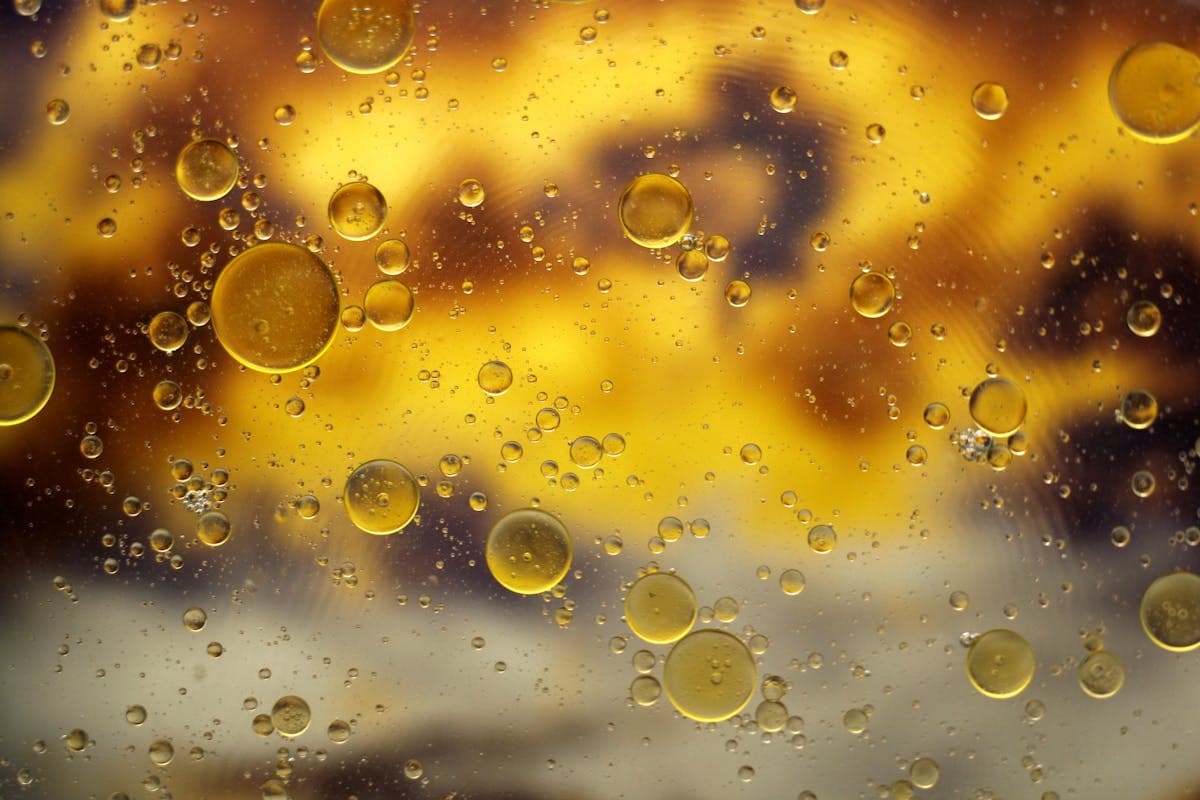
"Shilajit Gold" is a marketing tier, not a regulated grade. There is no FDA, AYUSH, or USP standard that defines the word. Sellers use it to signal premium fulvic-acid content, low heavy-metal levels, and traceable Himalayan or Altai sourcing, but a label alone tells you nothing. This guide separates the chemistry behind the term from the branding around it, and gives you tests you can run before you pay.
By the end you will know what fulvic-acid percentages are realistic, why "75 percent fulvic acid" claims often need a second look, how the Dabur Shilajit Gold capsule formula compares to a pure resin, and how to verify a gold-tier product yourself.
What "Gold-Grade" Should Actually Mean
A serious gold-tier shilajit resin is defined by four measurable traits, not by color or branding.
- Fulvic-acid content verified by an ISO/IEC 17025 lab (typically 15 to 25 percent in pure resin when measured by gravimetric or UV-vis methods, often quoted higher when measured against an extracted fraction).
- Dibenzo-alpha-pyrone (DBP and DBP-chromoprotein) presence, the marker compounds Ghosal documented in the Journal of Ethnopharmacology series in the 1990s.
- Heavy metals below 0.5 ppm for lead, 0.1 ppm for mercury, 1.0 ppm for arsenic, 0.3 ppm for cadmium.
- Traceable sourcing above 10,000 ft from Gilgit-Baltistan, Hunza, Ladakh, Bhutan, the Altai or Caucasus, with batch-level COAs.
The "75 percent fulvic acid" you see on many gold labels usually reflects a fulvic-and-humic combined fraction, or fulvic acid measured within a purified extract rather than within whole resin. Both numbers can be technically accurate, but they answer different questions. When a brand publishes a COA, look for the matrix the test was run on and the method (ISO 19822, AOAC, or in-house gravimetric).
For broader background on authentication, the at-home quality tests guide walks through field tests, while lab certification and COAs covers reading the underlying COA.
The Real Chemistry of "Gold"
Shilajit's bioactivity rests on three compound families documented in peer-reviewed research:
- Fulvic and humic acids (humic substances), which act as low-molecular-weight mineral carriers.
- Dibenzo-alpha-pyrones and DBP-chromoproteins, identified by Shibnath Ghosal across multiple papers in the Journal of Ethnopharmacology and Phytotherapy Research as mitochondrial-active markers.
- Trace minerals in ionic form, with the geochemistry described in Carbonates and Evaporites (2012) on shilajit mineralogy.
A "gold" tier should plausibly deliver more of the first two per gram. That happens through better source rock, longer cold-water purification, and avoidance of high-heat processing that oxidizes humic substances. It does not happen by adding gold leaf, despite what some Ayurvedic formulations imply by their name.
HealthForce Shilajit Supreme and Pure Himalayan Organic Resin Shilajit sit at the top of the price tier with detailed sourcing language; Authentic Genuine Himalayan SHILAJIT and SHILAJOY are mid-tier resins commonly sold as gold-grade.
Gold vs Standard: A Real Comparison Table
| Trait | Standard resin | Gold-tier resin |
|---|---|---|
| Fulvic acid (whole-resin, ISO 19822) | 8 to 14 percent | 15 to 22 percent |
| Humic substances total | 35 to 50 percent | 55 to 70 percent |
| DBP markers on COA | rarely listed | listed and quantified |
| Lead (ppm) | up to 2.0 (still legal) | below 0.5 |
| Mercury (ppm) | up to 0.5 | below 0.1 |
| Source disclosure | "Himalayan" generic | region, altitude, batch |
| Price per 30 g (USD, 2024 to 2025) | 18 to 30 | 45 to 90 |
| Resin pliability at 70 F | semi-firm | tacky and stretches |
| Solubility in 60 C water | partial, sediment | complete in 3 to 5 minutes |
Numbers reflect realistic ranges seen in third-party COAs published by mid-tier and premium U.S. and Indian brands during 2024 and 2025. Treat any single-source claim above 25 percent fulvic acid for whole resin with skepticism; verify the test method.
Five-Test Verification Protocol
Run these before you commit to a gold-tier price.
- Solubility. A pea-sized piece in 200 ml of 50 to 60 C water should fully dissolve within 5 minutes into a deep amber to coffee-brown liquid. Persistent grit suggests adulteration with ash or clay.
- Pliability. At 70 F the resin should stretch when pulled between two warmed spoons. Brittleness or crumbling points to dried extract powder reconstituted with binders.
- Refrigerator test. After 90 minutes at 4 C the resin should harden enough to crack cleanly, then return to tacky at room temperature.
- Flame. A pinhead amount on a steel spoon over low flame should char and smell earthy, not burn with a clean flame (paraffin or shoe-polish adulterants do).
- COA review. Match the lot number on your jar to a COA showing fulvic acid (method stated), heavy metals (four-metal panel), and microbial counts. If the COA is generic across all batches, treat the brand as unverified.
A product that passes all five and discloses sourcing region honestly is what "gold" should mean.
Dabur Shilajit Gold vs Pure Resin
Dabur Shilajit Gold is a capsule, not a resin, and the formula combines shilajit extract with kesar (saffron), gold bhasma (calcined gold ash, classical Ayurvedic ingredient), ashwagandha, and safed musli. Each capsule typically lists 100 mg of shilajit extract among the herbs. It targets the classical Ayurvedic indication of male vitality and works as a combination tonic.
That is a different product category from a 500 mg single-ingredient resin dose. Compared head-to-head:
| Factor | Dabur Shilajit Gold (capsule) | Pure resin (gold-tier) |
|---|---|---|
| Shilajit per dose | ~100 mg extract | 300 to 500 mg whole resin |
| Other actives | yes, several | none |
| Cost per mg shilajit | 3 to 5x higher | baseline |
| Use case | classical Ayurvedic stack | dose-flexible single ingredient |
| Verification | ingredient list, no COA standard | COA, batch lot number |
If you want the classical formula and trust Dabur's manufacturing, the capsule is reasonable. If you want a measurable dose of shilajit for the testosterone protocol described below, choose a resin. For deeper format comparison see shilajit resin and shilajit capsules.
Dosage Protocol Used in Research
The most cited human trial on shilajit and testosterone is Pandit and colleagues, Andrologia 2015, which used 250 mg purified shilajit twice daily for 90 days in healthy volunteers aged 45 to 55 (n=96) and reported statistically significant increases in total testosterone, free testosterone, and DHEAS, with about a 20 percent rise in total testosterone over baseline. A second commonly cited trial is the Andrologia 2010 oligospermia study (n=35) using a similar protocol, with improvements in sperm count and motility after 90 days.
Translate that into a usable schedule:
- Week 1: 250 mg in the morning, dissolved in warm (not boiling) water on an empty stomach.
- Week 2 onward: 250 mg twice daily, morning and early evening.
- Run for 90 days, then evaluate.
- Cycle 8 weeks on, 2 weeks off if you continue past 90 days.
A rice-grain-sized piece of resin is roughly 250 to 300 mg. Weigh once on a 0.01 g jewelry scale to calibrate your eye. For the full dosing breakdown see the dosage guide, and for stacking with a complementary adaptogen see the shilajit and ashwagandha stack.
Who Should Skip Gold-Tier
Insufficient safety data in pregnancy and breastfeeding means avoid in both. Hemochromatosis and other iron-overload disorders are a contraindication; humic substances increase mineral absorption. Active gout flares, anticoagulant therapy (warfarin, DOACs), and oral hypoglycemics warrant a conversation with your prescriber before you add a daily dose. Heavy metals are the underlying safety concern with low-tier shilajit, which is why the COA matters more than the price tag. The full safety review lives at shilajit side effects.
Brand Notes
Several products are sold under the gold-tier umbrella. None of these are endorsements; verify current COAs before buying.
- HealthForce Shilajit Supreme sits at the premium end with cold-water purification language and explicit sourcing statements.
- Pure Himalayan Organic Resin Shilajit and Pure Himalayan Resin (alt sourcing) publish batch-level testing.
- Authentic Genuine Himalayan SHILAJIT and Be Bodywise Pure Himalayan Shilajit Resin sit in the mid-premium tier.
- SHILAJOY and NutroTonic are commonly recommended pure-resin options with reasonable pricing.
- Herbs Mill Himalayan Shilajit Essential, PakShilajit Purified, BetterAlt Himalayan, and BeepWell Resin cover the working-budget tier.
- For cognitive-stack interest, Essencraft Shilajit and the Essencraft alt SKU are positioned for focus.
- For Ashwagandha co-formulation, see Be Bodywise + Ashwagandha and Pure Himalayan Shilajit Gummies with Ashwagandha.
- Bulk: Pure Himalayan Shilajit Resin Pack of 4 and the 50 g Maximum Strength jar.
For absorption-focused stacks see Root Labs ShilAbsorb, Pure Shilajit Liquid Drops with 7 Mushroom Blend, Hand Collected Himalayan, Ajoblanco Pure Himalayan, and the Shilajit and Sea Moss Capsule. Region alternatives include the Siberian Altai option, and NATURAL SHILAJIT DBP-Verified for an explicit DBP claim on the label.
Storage and Shelf Life
Resin is shelf-stable for 2 to 3 years sealed, 12 to 18 months opened, when stored between 60 and 75 F away from light and moisture. Refrigeration is unnecessary; the cold makes the resin too hard to scoop. Always use a clean, dry utensil. Discard if you see mold growth or smell a rancid or chemical odor; properly stored shilajit smells of damp earth and old leather.
Cost Sanity Check
A 30 g jar at $55 yields roughly 60 servings at 500 mg, or $0.92 per dose. That is comparable to a high-quality multivitamin and below the cost of separately buying a mineral, an adaptogen, and a mitochondrial cofactor. The math justifies the premium only if the COA is real; without verification you are paying gold-tier prices for a standard-tier product. For broader pricing context, see the price guide.
Frequently Asked Questions
How long until I notice an effect? Energy and recovery shifts often surface in the first 14 days. Hormonal markers take the full 90 days from the Pandit protocol.
Is "gold" different from "Himalayan"? "Himalayan" describes geography. "Gold" describes a brand's quality tier. Many products use both. Verify each separately, geography on the COA, fulvic acid in the lab report. The Himalayan sourcing piece covers source-of-origin claims.
Can women take it? Yes. The Pandit study was male-only, but shilajit benefits for women covers the iron, energy, and bone-density rationale.
Resin or capsule? Resin gives flexible dosing and easier authentication. Capsules trade those for convenience.
What about Dabur Shilajit Gold capsules with bhasma? Classical Ayurvedic formula, lower per-dose shilajit, different category. Use it for the formula, not as a resin substitute.
Bottom Line
"Gold" is a brand tier, not a chemistry standard. The chemistry behind a real premium tier is verified fulvic acid, DBP markers, low heavy metals, and traceable sourcing. Pay for those when you can confirm them on a COA and a hands-on test. Skip the term when the only thing gold about a jar is the foil on the lid.
How we research this content
This article was written by Paula Kessler and reviewed against published research and traditional sources by the Clean Shilajit editorial team. Where we reference studies, we link to them so you can read the original.
This content is for education and is not medical advice. It follows our editorial guidelines and is updated as new evidence emerges. Always speak with a qualified healthcare provider before changing your supplement routine.
Ready to Experience Pure Shilajit?
Check out our recommended products and start your wellness journey today.
View Recommended ProductsRelated Articles
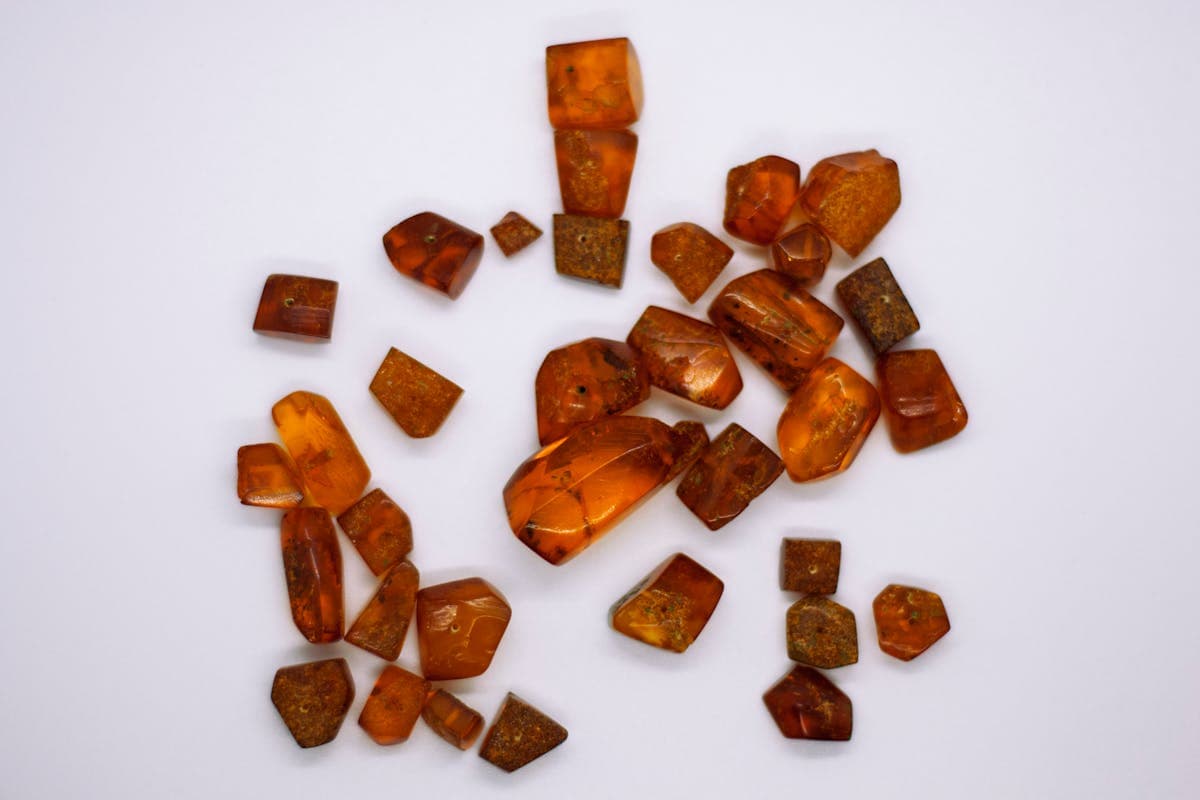
Pure Shilajit: How to Identify Authentic vs Fake Products
A practitioner's guide to verifying pure shilajit, with the seven home tests, the COA numbers that matter, and the price math that exposes fakes.

Best Shilajit for Energy: Top Picks for Fatigue and Focus
Looking for the best shilajit for energy? Compare lab-tested resins, capsules, and dosing for steadier daytime energy, less fatigue, and sharper focus.
Shilajit COA Guide: How to Read a Certificate of Analysis
A plain-English shilajit COA guide that shows you how to read a Certificate of Analysis, spot fakes, and verify heavy metals and fulvic acid before buying.