
Shilajit COA Guide: How to Read a Certificate of Analysis

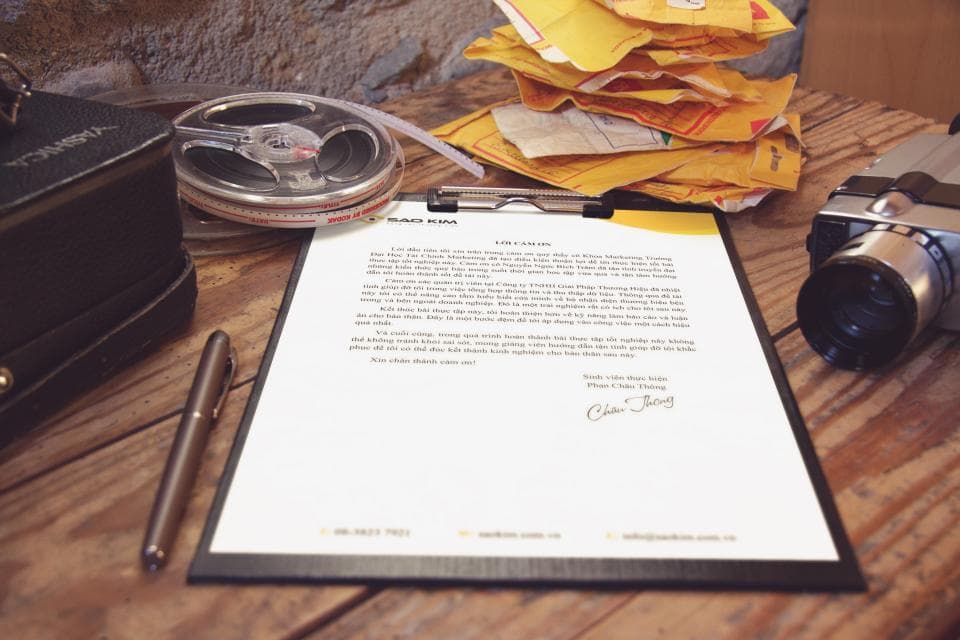
A shilajit COA (Certificate of Analysis) is the lab document that proves what is actually inside a jar of resin or a bottle of capsules. It lists heavy metal levels, fulvic acid content, microbial testing, and the lab that ran the analysis. If you only learn one habit before buying shilajit, make it this one: ask for the COA, then read it.
A real shilajit COA tells you three things at a glance: that lead, arsenic, mercury, and cadmium are below safe limits, that fulvic acid content is measured (not guessed), and that an independent third-party lab ran the test. Without those three, you are trusting a label, and labels do not get tested.
Shilajit forms in mountain rock over centuries, which is exactly why purity matters so much. It can concentrate the same heavy metals found in its environment. A COA is how you confirm a brand cleaned and verified the product instead of scooping raw tar into a jar. This guide walks you through reading one line by line, in plain language.
What a COA Actually Is
A Certificate of Analysis is a one or two page lab report tied to a specific production batch. It is not a marketing flyer and not a "lab tested" badge on a product page. The U.S. FDA regulates supplements differently from drugs, so brands carry most of the responsibility for verifying their own products. A COA is the paper trail that shows they did.
A trustworthy COA includes:
- The product name and a batch or lot number
- The testing laboratory's name and location
- Test dates
- Each test performed, the result, the unit, and the method used
- A reference limit or specification for comparison
If a "COA" is just a green stamp that says passed with no numbers, it is decoration. For the deeper background on accreditation, our breakdown of shilajit lab certification covers ISO 17025 and the seal soup of NSF, USP, and Informed Sport.
The Heavy Metals Section: Read This First
Heavy metals are the single most important reason a shilajit COA exists. Because the substance is mined from rock and soil, it can carry lead, arsenic, mercury, and cadmium. These elements accumulate in the body and are genuinely harmful. The National Institutes of Health and clinical sources like Cleveland Clinic both treat lead exposure as a serious health risk with no safe threshold for children.
On the COA, look for these four metals listed individually, each with a result and a limit. Results are usually shown in parts per million (ppm) or micrograms per gram. A clean report shows each metal well below its stated specification. If arsenic or lead sits right at the limit, or the limit column is blank, treat that as a warning.
Some genuinely contaminated shilajit has reached the market, which is why this section is non-negotiable. Our guide on shilajit and heavy metal safety concerns explains the symptoms of overexposure, and the wider is shilajit safe article puts the risk in context. You can also read the research summaries on heavy metals at PubMed if you want primary sources.
If you want a product that leads with verification, lab-forward resins such as NATURAL Shilajit 20g (DBP-verified) and the purified PakShilajit Himalayan resin are built around published testing rather than vague claims.
The Fulvic Acid Line: What "80% Fulvic Acid" Really Means
Fulvic acid is the marquee compound in shilajit, and it is also the most abused number in marketing. You will see "80% fulvic acid" splashed across labels constantly. A real COA reports a measured percentage using a defined method, not a round marketing figure.
Here is the catch most buyers miss: there is no single universal standard method for measuring fulvic acid in shilajit, so two labs can report different numbers for the same sample. Treat the figure as one data point, not gospel. What matters more is whether the value was actually measured and which method was named. Our shilajit fulvic acid deep dive explains why suspiciously high percentages are often a red flag rather than a selling point.
If the COA lists fulvic acid at a believable level with a stated method, that is a good sign. If it claims a very high number with no method, be skeptical. The broader chemistry is covered in our shilajit minerals and what is shilajit explainers.
Microbial and Other Safety Tests
Past the metals and fulvic acid, a thorough COA includes microbial testing. This screens for total plate count, yeast and mold, and pathogens like E. coli and Salmonella. Because shilajit is a natural mined product, microbial checks matter, especially for resins that are handled and packaged by hand.
A complete report may also note moisture content, pesticide screening, and sometimes solvent residue if extraction was used. You do not need every one of these, but more legitimate testing generally signals a more careful brand. For background on how the raw material becomes a finished product, see how shilajit is made and our shilajit sourcing standards guide.
Third-Party Versus In-House Testing
This distinction separates real verification from self-graded homework. An independent, accredited lab has no financial stake in the result. An in-house or supplier-provided report can still be honest, but it carries an obvious conflict of interest.
On the COA, check the laboratory name. If it is a recognized third-party lab with an address and contact details, that is the gold standard. Resources like Examine and consumer health explainers at Healthline reinforce why independent testing carries the most weight for supplements.
Brands that publish full third-party COAs tend to be the same ones worth shortlisting in our best shilajit brand roundup and the ultimate shilajit buying guide for 2026. Verified options across formats include the popular BetterAlt Himalayan resin, convenient Himalayan pure extract capsules for travel, and Himalayan shilajit liquid drops if you prefer dosing by dropper.
How to Match a COA to the Jar in Your Hand
A COA only means something if it matches your actual batch. This is the step almost everyone skips.
- Find the lot or batch number printed on the COA.
- Find the lot or batch number on your product packaging.
- Confirm they match. A generic COA with no lot number could belong to any batch, including a cleaner sample sent only for testing.
- Check the test date is reasonably recent, not years old.
If a brand cannot produce a COA tied to your specific lot, you are essentially trusting marketing. For at-home sanity checks you can run alongside the paperwork, see how to test shilajit quality and our practical notes on telling pure shilajit from filler-heavy products.
COA Red Flags Checklist
Walk through these quickly before you buy:
- No lot or batch number anywhere on the document
- Heavy metals listed without numerical limits for comparison
- Only a single "pass" stamp and no actual results
- Fulvic acid claimed but never measured, or an implausibly high percentage with no method
- The testing lab is unnamed or is the brand itself with no independent check
- The document is undated or clearly years old
- The PDF looks edited, with mismatched fonts or altered numbers
Any one of these is a reason to ask questions. Two or more, and I would move on. The same scrutiny applies whether you are buying resin, powder, or gummies.
Safety: Who Should Be Extra Careful
A clean COA confirms purity, but it does not make shilajit right for everyone. Pregnant and breastfeeding women should avoid it, because safety has not been established for them. Read our dedicated shilajit and pregnancy safety guide before considering it.
People with iron overload conditions like hemochromatosis should be cautious, since shilajit contains iron and other minerals. If you take prescription medications, especially blood pressure drugs, diabetes medication, or blood thinners, talk to your doctor first, because interactions are possible. Anyone with a chronic condition should treat shilajit as a supplement to discuss, not to self-prescribe. For a fuller picture, see shilajit side effects and review trusted overviews at Mayo Clinic. Start with a conservative shilajit dosage regardless of how clean the report looks.
Putting It All Together
Reading a shilajit COA takes about two minutes once you know the layout. Confirm the lot number matches, scan the heavy metals against their limits, check that fulvic acid was measured with a named method, look for microbial testing, and verify an independent lab ran it. That sequence filters out the large majority of low-quality and outright fake products.
Lab transparency is the clearest signal a brand is selling a real product. Premium options like HealthForce Shilajit Supreme and combination formulas such as Be Bodywise Shilajit with ashwagandha are easier to trust when the testing is published. Pair the paperwork with the practical advice in how to choose between gold, silver, and black shilajit and our shilajit reviews before you commit.
Frequently Asked Questions
Q: What is a shilajit COA?
A shilajit COA, or Certificate of Analysis, is a batch-specific lab report listing heavy metal levels, fulvic acid content, microbial results, and the testing laboratory. It is the document that verifies a product's purity and safety rather than relying on the label alone.
Q: What should I check first on a shilajit Certificate of Analysis?
Check the heavy metals section first. Confirm that lead, arsenic, mercury, and cadmium are each listed with a result and a clear limit, and that every value sits comfortably below its specification. This is the most important safety information on the report.
Q: Does a high fulvic acid percentage on the COA mean better shilajit?
Not necessarily. There is no single universal method for measuring fulvic acid, so numbers vary between labs and can be inflated for marketing. A believable value with a named test method is more reassuring than a very high percentage with no method listed.
Q: How do I know a shilajit COA is real and not faked?
Match the lot or batch number on the COA to the number on your product, confirm the document is recent and dated, and verify that a named independent lab performed the testing. Be wary of edited-looking PDFs, missing limits, or a single "pass" stamp with no actual results.
Q: Should brands provide a COA for every batch?
Yes, ideally. Because shilajit varies batch to batch, a responsible brand tests each lot and can produce a COA tied to your specific batch number. If a seller cannot supply lot-matched testing, treat the purity claims as unverified.
How we research this content
This article was written by Paula Kessler and reviewed against published research and traditional sources by the Clean Shilajit editorial team. Where we reference studies, we link to them so you can read the original.
This content is for education and is not medical advice. It follows our editorial guidelines and is updated as new evidence emerges. Always speak with a qualified healthcare provider before changing your supplement routine.
TAGS
Ready to Experience Pure Shilajit?
Check out our recommended products and start your wellness journey today.
View Recommended ProductsRelated Articles

Third-Party Tested Shilajit: How to Verify What You Buy
A practical guide to 3rd party tested shilajit: what lab testing actually proves, how to read a Certificate of Analysis, and how to avoid heavy metals.
Pure Shilajit: How to Identify Authentic vs Fake Products
A practitioner's guide to verifying pure shilajit, with the seven home tests, the COA numbers that matter, and the price math that exposes fakes.

Best Shilajit for Energy: Top Picks for Fatigue and Focus
Looking for the best shilajit for energy? Compare lab-tested resins, capsules, and dosing for steadier daytime energy, less fatigue, and sharper focus.