
Third-Party Tested Shilajit: How to Verify What You Buy

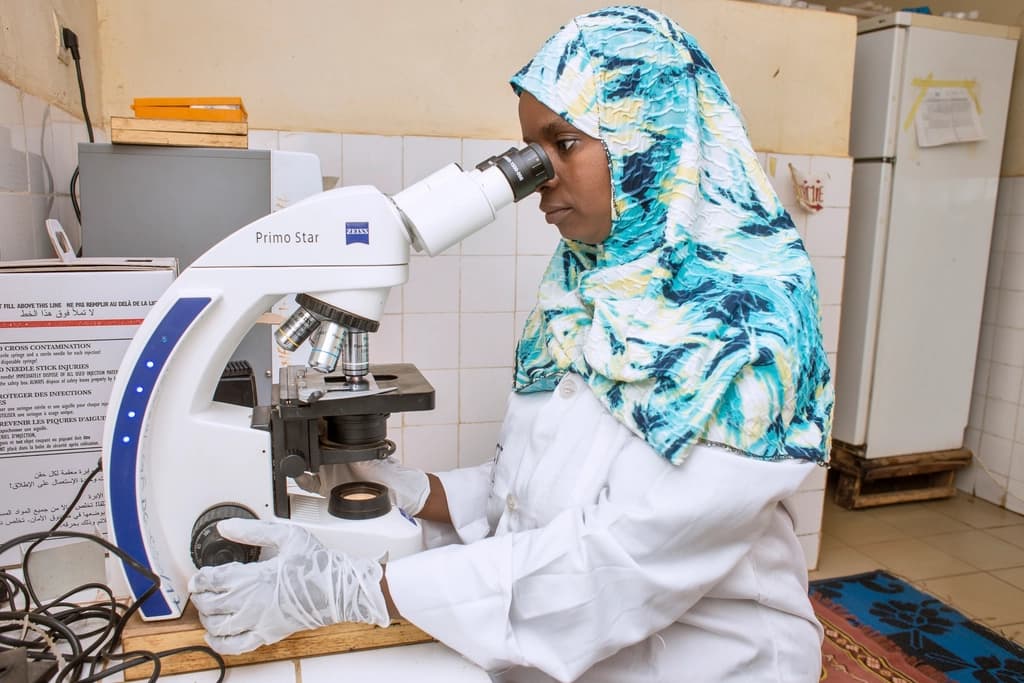
Third-party tested shilajit means a sample was sent to an independent laboratory (one the brand does not own) that measured what is actually inside the resin: heavy metals, fulvic acid content, microbes, and contaminants. That independent check is the single most reliable signal of safety, because shilajit comes from rock seepage high in the mountains and can naturally carry lead, arsenic, and mercury if it is not purified and verified.
The short answer: buy shilajit only when the brand publishes a recent third-party Certificate of Analysis (COA) from an accredited lab showing heavy metals below safe limits, with a matching batch or lot number you can find on your jar.
If a seller cannot show you that document, you are trusting marketing instead of measurements. Below you will learn exactly what real testing covers, how to read a COA without a chemistry degree, and how to confirm the report belongs to the product in your cart.
Why third-party testing matters more for shilajit than most supplements
Shilajit is not manufactured in a clean facility from a single ingredient. It oozes out of rocks over centuries and gets collected, then purified. That origin is part of why people value it, but it also means raw material can concentrate whatever was in the surrounding stone, including toxic metals.
Heavy metals are the core concern. The U.S. National Institutes of Health and clinical sources are clear that chronic exposure to lead, arsenic, and mercury can harm the nervous system, kidneys, and developing children. You can read a plain-language overview of lead exposure risk at Cleveland Clinic and a deeper toxicological summary through PubMed. Authentic, purified, lab-verified shilajit should test well under regulatory limits. Unpurified or counterfeit material may not.
This is also why testing matters more here than for, say, a vitamin C tablet. To understand how purification removes contaminants, see how shilajit is made and the practices covered in shilajit sourcing standards. For a deeper safety overview, is shilajit safe walks through the evidence.
What a real test actually checks
A genuine third-party panel for shilajit usually covers several categories at once. Here is a quick reference.
| What is tested | Why it matters |
|---|---|
| Heavy metals (lead, arsenic, mercury, cadmium) | The main toxicity risk; must be below safe limits |
| Fulvic acid content | The marker compound; confirms potency and authenticity |
| Microbial counts (yeast, mold, bacteria) | Spoilage and contamination from poor handling |
| Pesticides and solvents | Residue from processing or environment |
| Identity and adulterants | Confirms it is shilajit, not a filler blend |
Fulvic acid is the signature compound, so a report that lists a measured percentage tells you the product is genuinely shilajit and not a look-alike paste. Learn what that compound does in shilajit fulvic acid and the broader nutrient profile in shilajit minerals.
How to read a Certificate of Analysis
A Certificate of Analysis is the lab report a brand should hand you. It is not marketing copy; it is a results sheet. Look for these specific items, in order.
First, find the laboratory name at the top and confirm it is independent from the brand. Accredited labs often note ISO 17025 accreditation. You can verify what that standard means through general references like Healthline and government guidance from the FDA on dietary supplements.
Second, match the batch or lot number on the COA to the number printed on your jar. A report with no lot number, or a lot that does not match your product, proves nothing about the jar in your hand.
Third, read the heavy metals results as actual numbers with units (usually parts per million or micrograms per gram) and a stated limit. "Pass" with no numbers is weaker than a number you can see falls below the limit. For context on tolerable intake levels, the NIH Office of Dietary Supplements is a reliable starting point.
Fourth, check the date. A COA from five years ago does not describe the batch you are buying. Testing should be recent and ideally per-batch. Our full breakdown lives in shilajit lab certification and how to test shilajit quality.
Red flags that a "tested" claim is hollow
- The brand says "lab tested" but will not email you the actual PDF.
- The COA has no lab name, no accreditation, and no signature.
- The lot number is missing or never matches the jar.
- Heavy metals show only "ND" or "pass" with no detection limits listed.
- The same single report is reused across every product and every year.
If you see these, treat the product as unverified. Plenty of authenticity tricks circulate online; we cover the folklore and the facts in shilajit myths debunked and the home checks worth doing in how to test shilajit quality.
Lab testing versus home tests
You may have seen kitchen "tests," like dissolving resin in water or watching it bubble. These can hint at gross adulteration, but they cannot measure lead in parts per million. A solubility test tells you about texture, not toxicity.
Home checks are a useful first filter, not a safety guarantee. Use them to screen obvious fakes, then rely on a real COA for the decision that actually protects your health. The pure shilajit guide explains the difference between "looks pure" and "is verified pure."
Where third-party tested shilajit shows up across formats
Testing applies to every format, not just resin. Capsules, gummies, and liquids are all only as clean as the raw material inside them, so the COA question stays the same regardless of how you take it.
For traditional resin with published purity testing, PakShilajit purified Himalayan resin is a reasonable starting point, and a value that specifically advertises DBP verification is the lab-tested NATURAL SHILAJIT 20g. If you want detail on the sticky resin form itself, read shilajit resin and the dosing notes in how to take shilajit.
Prefer something easier to dose? Capsules remove the guesswork of scooping resin, and the Himalayan Pure Extract capsules are a convenient pick; compare formats in shilajit capsules. Gummies trade some potency for taste, and shilajit gummies blended with ashwagandha suit people who hate the resin flavor, with more in shilajit gummies. For a liquid option you can dropper into a drink, the Himalayan shilajit liquid drops are worth a look alongside shilajit liquid. Whatever the format, the testing standard never changes.
When you are comparing brands head to head, the best shilajit brand roundup and the ultimate shilajit buying guide 2026 both weight third-party testing heavily, and so does shilajit reviews.
A simple buying checklist
Before you check out, run through this. It takes two minutes and removes most of the risk.
- The brand publishes a downloadable COA, not just a testing claim.
- The lab is independent and accredited; the report is dated within the last year or two.
- Heavy metals appear as numbers below stated limits, not vague "pass" language.
- Fulvic acid content is listed and reasonable.
- The lot number on the COA matches the jar you receive.
- The seller answers questions about sourcing without dodging.
Run that list against any product, including the premium tier like HealthForce Shilajit Supreme. Price does not replace a COA; a costly jar with no report is still unverified. For more on what fair pricing looks like, see shilajit price guide.
Safety, dosage, and who should be careful
Even verified, clean shilajit is not for everyone. Start low, typically a small pea-sized amount of resin or the label dose, and see how you respond. The shilajit dosage guide explains sensible ranges, and shilajit side effects covers what to watch for.
Avoid shilajit, or talk to a clinician first, if any of the following apply to you:
- You are pregnant or breastfeeding. Testing does not make a supplement automatically safe during pregnancy; see shilajit for pregnancy safety.
- You take medications, especially for blood pressure, diabetes, or blood thinning, since interactions are possible.
- You have hemochromatosis or another iron-overload condition, because shilajit contains iron and other minerals.
- You have a known sensitivity or are unsure about a new supplement. General guidance from Mayo Clinic and the evidence summaries at Examine are worth reading first.
Third-party testing answers "is this product clean and authentic." It does not answer "is this product right for my body." Those are two separate questions, and you need both. For a wider safety lens, is shilajit safe pulls the research together.
The bottom line
A "natural" label, a mountain photo, and a high price prove nothing. A recent, accredited, batch-matched Certificate of Analysis with real heavy-metal numbers proves a lot. Make that document the gatekeeper for every purchase, and you remove the biggest hidden risk in this category. When you are ready to shortlist, start with the vetted picks in best shilajit.
Frequently Asked Questions
Q: What does third-party tested shilajit actually mean?
It means an independent laboratory the brand does not own tested a sample and reported the results, usually covering heavy metals, fulvic acid content, microbes, and contaminants. Independence is the key word, because a brand grading its own product has an obvious conflict of interest.
Q: How do I get a shilajit Certificate of Analysis?
Reputable brands publish the COA on their product page or send it on request by email. Look for the lab name, an accreditation reference, a recent date, a batch number that matches your jar, and heavy-metal results shown as numbers below stated limits.
Q: Are home tests enough to confirm shilajit is safe?
No. Home checks like dissolving resin in water can screen out obvious fakes, but they cannot measure lead, arsenic, or mercury. Only a laboratory using proper instruments can confirm heavy metals are below safe levels, so use home tests as a first filter and a COA as the real decision.
Q: Does third-party testing mean shilajit is safe for everyone?
No. Testing confirms a product is clean and authentic, not that it suits your body. Pregnant or breastfeeding people, anyone on prescription medication, and those with iron-overload conditions should consult a clinician before use regardless of how well a product tested.
Q: How often should shilajit be lab tested?
Ideally every batch, since raw material can vary by harvest and location. At minimum, look for testing dated within the last year or two and a lot number on the report that matches the product you receive.
How we research this content
This article was written by Paula Kessler and reviewed against published research and traditional sources by the Clean Shilajit editorial team. Where we reference studies, we link to them so you can read the original.
This content is for education and is not medical advice. It follows our editorial guidelines and is updated as new evidence emerges. Always speak with a qualified healthcare provider before changing your supplement routine.
Ready to Experience Pure Shilajit?
Check out our recommended products and start your wellness journey today.
View Recommended ProductsRelated Articles
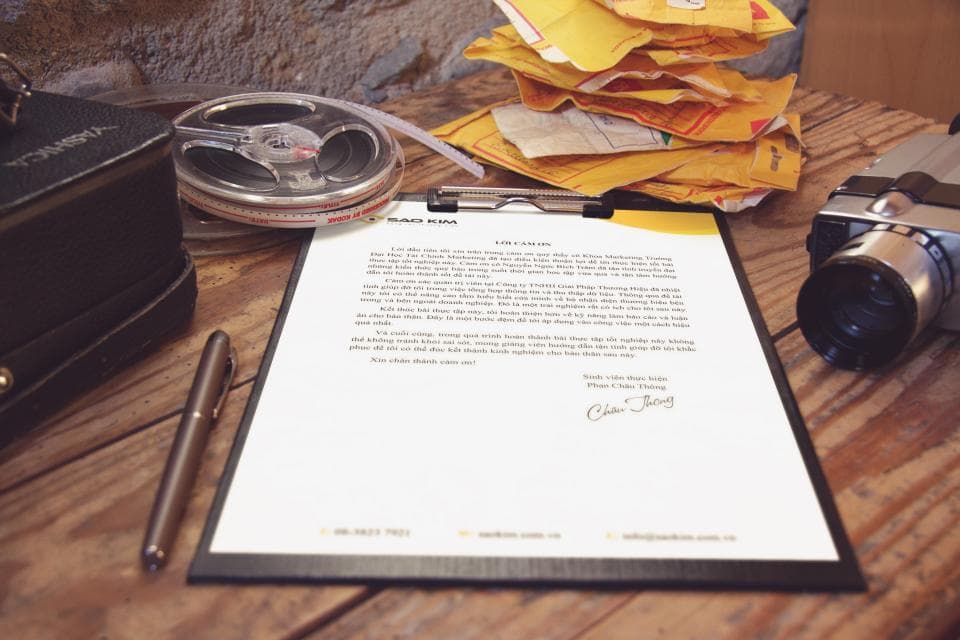
Shilajit COA Guide: How to Read a Certificate of Analysis
A plain-English shilajit COA guide that shows you how to read a Certificate of Analysis, spot fakes, and verify heavy metals and fulvic acid before buying.
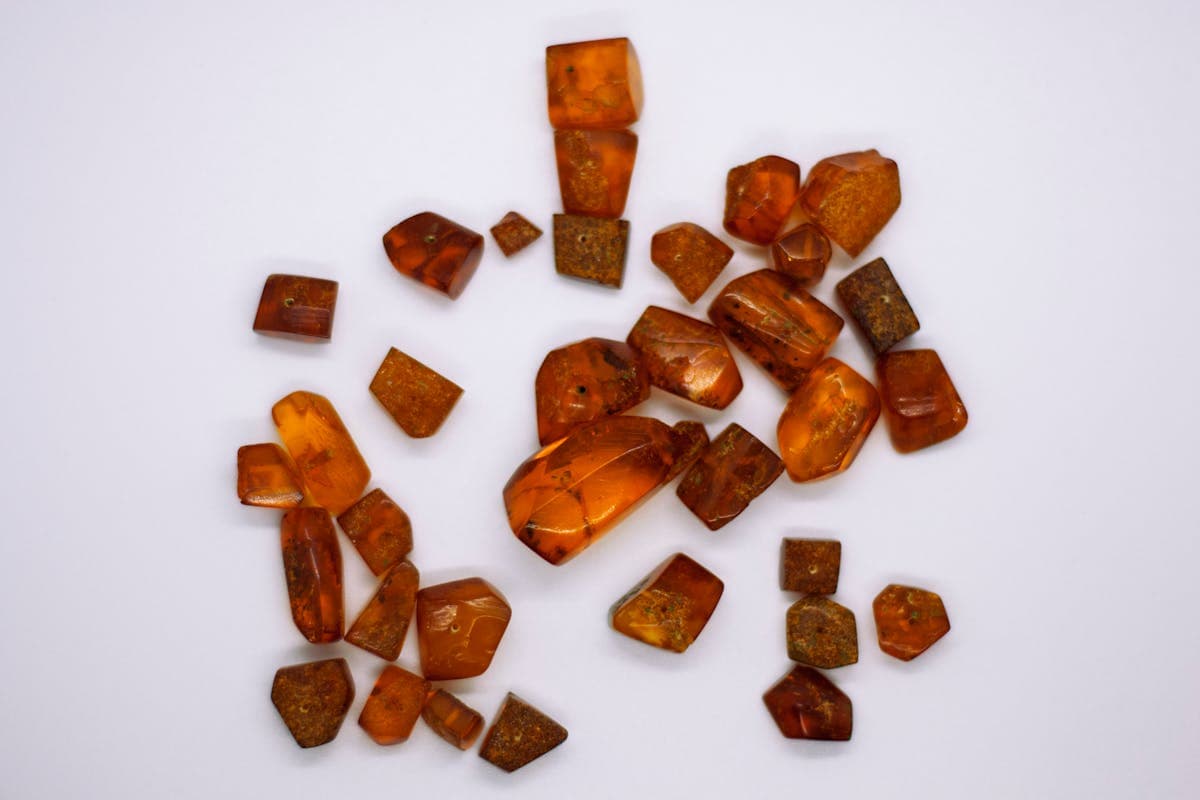
Pure Shilajit: How to Identify Authentic vs Fake Products
A practitioner's guide to verifying pure shilajit, with the seven home tests, the COA numbers that matter, and the price math that exposes fakes.
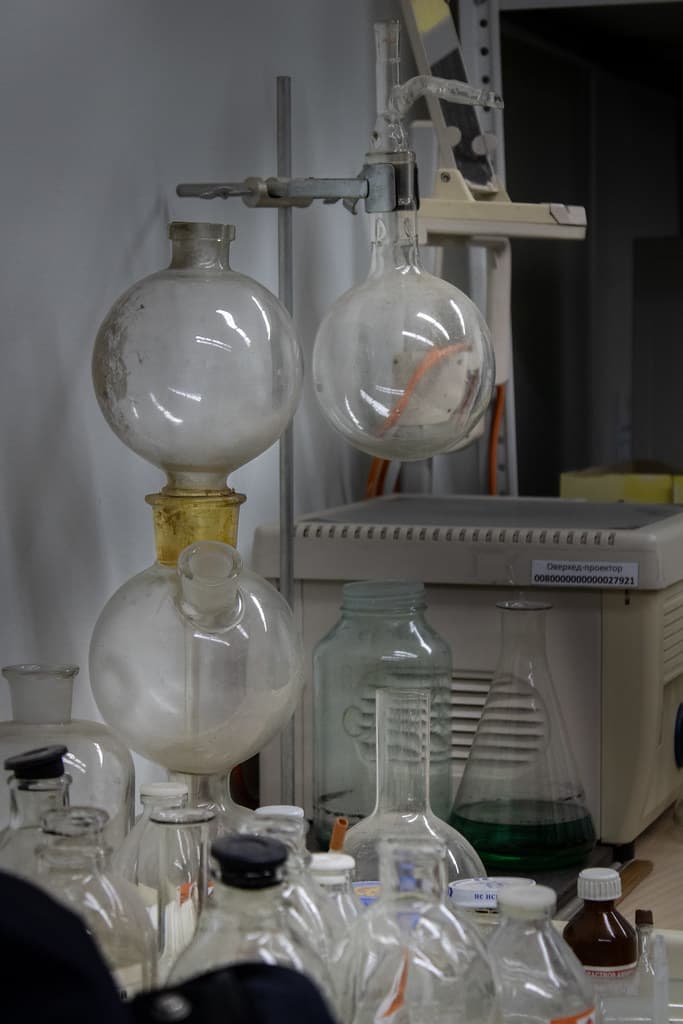
Shilajit Fulvic Acid Content: A Lab Report Comparison by Brand
A practical shilajit fulvic acid content comparison of brands and lab reports, so you can read a COA, spot inflated claims, and buy what actually tests well.