
How to Store Shilajit: Temperature, Shelf Life, and Travel Rules

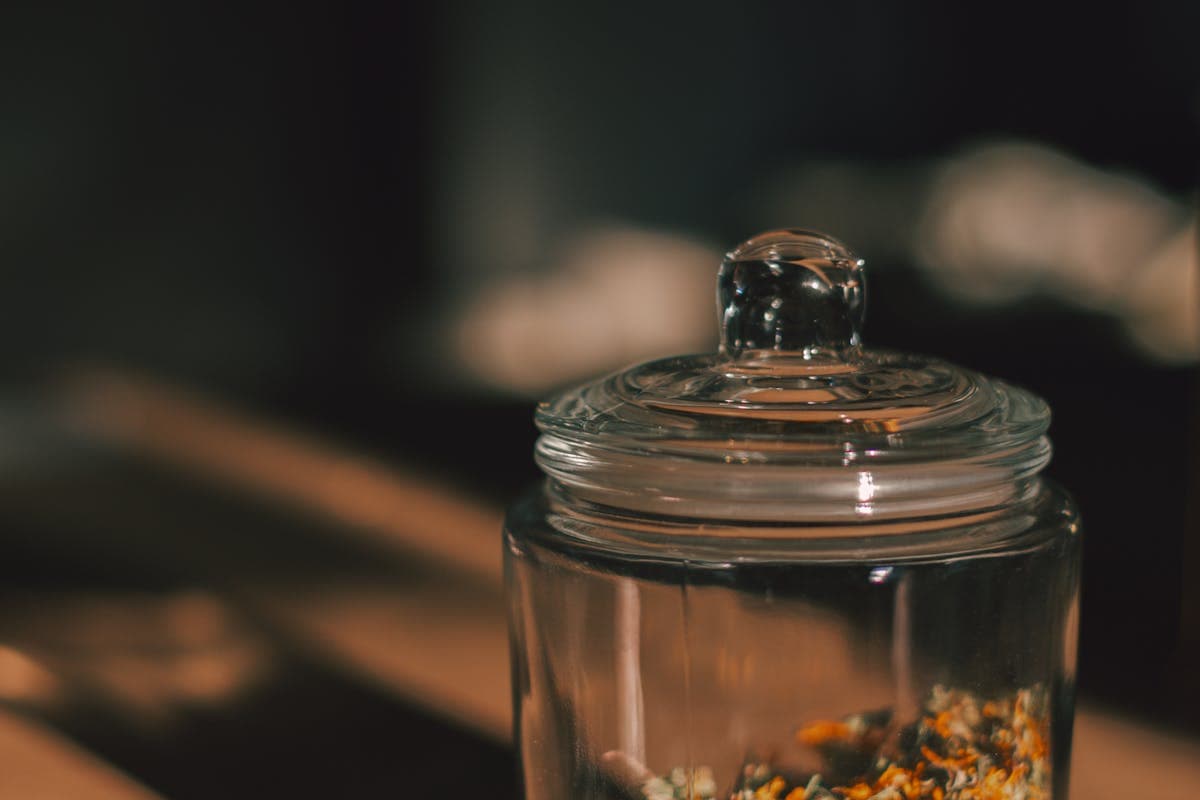
Authentic shilajit is hygroscopic. It pulls moisture from the air faster than table salt and slower than calcium chloride, which means a jar left open during a humid afternoon will shift in viscosity by Monday morning. That is the single biggest variable in shilajit storage, and most users underestimate it.
Cold, dark, dry, and sealed: those four words cover 95% of correct storage. The remaining 5% is about what happens when you travel, when you scoop with a wet utensil, or when the bathroom cabinet looks tempting because it is close to where you keep your other supplements. This guide covers the protocol for each form, the real shelf-life numbers (not the conservative "best by" stamps), and the failure modes worth recognizing before you throw out a usable jar.
Why Storage Determines Potency
Shilajit's bioactive matrix includes fulvic acid, humic acid, dibenzo-alpha-pyrones, dibenzo-alpha-pyrone chromoproteins, and trace minerals. Each responds to a different stressor.
| Compound class | Primary stressor | What goes wrong |
|---|---|---|
| Fulvic acid | Heat above 35°C, UV light | Oxidation, structural breakdown |
| Humic acid | Moisture, prolonged air exposure | Microbial growth, viscosity changes |
| Dibenzo-alpha-pyrones | UV light, oxygen | Slow degradation, color shift |
| Trace minerals | None practically (stable) | Stay intact unless leached by moisture |
| DBP chromoproteins | Heat, repeated freeze-thaw | Protein denaturation |
A jar stored in a cool, dark cabinet at 18-22°C, sealed tightly, with a clean dry utensil for every scoop, retains essentially full potency for 24-36 months. The same jar in a sunny kitchen window can lose meaningful fulvic acid in 90 days. Properly storing pure shilajit is not optional if you want the supplement to do what it claims; understanding what shilajit is explains why.
Storage by Form
Resin
Resin is the most sensitive format. Keep it in its original UV-protected glass jar with a tight lid; brands like BetterAlt Himalayan Shilajit and Pure Himalayan Shilajit ship in jars built for the job. Never transfer to plastic; humic substances can leach plasticizers over time, especially in warm conditions.
Target environment for resin:
| Variable | Target range | Why |
|---|---|---|
| Temperature | 10-22°C (50-72°F) | Above 25°C, resin softens and degrades faster |
| Humidity | Under 60% RH | Hygroscopic; pulls water in above this |
| Light | Dark | UV degrades fulvic acid and DBPs |
| Air exposure | Sealed | Oxidation accelerates above 0.21 atm O2 |
| Utensil | Clean, dry, glass or stainless | Wet spoons introduce moisture |
Cold makes resin glassy and hard to scoop, but it does not damage potency. Warming the closed jar in a bowl of warm tap water for 60 seconds before scooping restores workable consistency. Above 28°C, resin becomes liquidy and starts losing fulvic acid integrity; even a premium resin like HealthForce Shilajit Supreme loses potency under those conditions.
If you live in a climate that runs above 28°C indoors during summer, refrigerate the jar. Allow it to reach room temperature before opening to prevent condensation forming on the surface of the resin (which restarts the moisture problem you are trying to avoid).
Powder
Powder is less heat-sensitive than resin but more moisture-sensitive. The surface area is enormous, so any moisture that enters the container is absorbed almost immediately, leading to clumping and eventually mold.
Storage rules for powder:
- Airtight container only; resealable pouches lose seal integrity over time, glass with a rubber gasket is best
- Store away from kitchen sink, dishwasher, and stove (humidity sources)
- Keep the original silica gel desiccant; if absent, food-grade desiccants are sold cheaply online
- Do not refrigerate; condensation on cold powder accelerates clumping
Once powder clumps, it cannot be reversed without re-drying, and the process risks heat damage. Treat clumping as a sign to use the rest quickly.
Capsules and Tablets
Capsules and tablets are the easiest format. Their gelatin or vegetable-cellulose shells protect the contents, and most ship in HDPE bottles with foil seals; Himalayan Pure Extract Shilajit Capsules are typical of this packaging.
Storage targets:
- Room temperature, 18-25°C
- Original bottle with lid tight
- Away from heat sources (stove, water heater closet, sunny windows)
- Pantry or bedroom drawer is fine; bathroom is not
Refrigerating gelatin capsules is a mistake unless the label specifically calls for it. Temperature swings cause condensation inside the capsule shell, leading to softening and eventual sticking.
Liquid Drops
Liquid extracts have the shortest shelf life: 9-12 months opened, sometimes shorter if the alcohol or glycerin carrier evaporates. Store upright, capped tightly, away from light. Refrigeration after opening is the safe default unless the label says otherwise. Once the dropper is in regular use, oxygen exposure accumulates each cycle.
Real Shelf-Life Numbers
The "best by" date on a jar is conservative and usually reflects the brand's legal protection rather than actual potency loss. Real expectations:
| Form | Sealed shelf life | Opened shelf life (proper storage) | Earliest failure mode |
|---|---|---|---|
| Resin | 36-60 months | 24-36 months | Surface oxidation if seal compromised |
| Powder | 24 months | 12-18 months | Clumping from humidity |
| Capsules | 24 months | 18-24 months | Capsule shell softening |
| Tablets | 24 months | 18-24 months | Tablet cracking, oxidation |
| Liquid drops | 18 months | 9-12 months | Oxidation, alcohol evaporation |
Shilajit is one of the longest-lasting supplements when stored correctly. Most "expired" jars failed because of a storage error long before the date, not because of the date itself. Quality from premium shilajit brands like Pure Himalayan Organic Resin Shilajit does extend the realistic window because better packaging and purer raw material reduce the rate of degradation.
Recognizing a Jar That Has Gone Bad
Three categories of signs.
Visual: fuzzy mold spots (any color), a sudden color shift to gray or pale brown, or watery separation in resin. A glassy hardness in resin that does not soften on the palm at body temperature within 90 seconds suggests oxidation has progressed.
Olfactory: rancid, ammonia-like, or sharp chemical smells indicate microbial breakdown or oxidation. Authentic shilajit smells earthy, mineral, and slightly smoky; that is normal and not a sign of spoilage.
Behavioral: powder that has clumped into hard rocks has absorbed moisture and likely begun microbial activity even if no visible mold yet. Resin that has turned watery rather than thick has either been heated or contaminated.
Discard if any of these appear. The cost of finishing a bad jar is real (microbial exposure, lost trust in the supplement), and the cost of replacing it is small.
The Most Common Storage Mistakes
| Mistake | What it does | Fix |
|---|---|---|
| Bathroom cabinet storage | High humidity, daily temp swings | Bedroom or kitchen pantry |
| Wet or damp scoop | Introduces moisture into the jar | Dedicated dry stainless or glass spoon |
| Leaving the lid loose | Continuous oxidation, moisture in | Tight reseal every time, immediately |
| Buying bulk that lasts 18 months | Half degrades before use | Buy 60-90 day supply; calculate via /blog/shilajit-dosage |
| Storing on a kitchen counter near the stove | Heat exposure during cooking | Cabinet at least 1 m from heat source |
| Direct sunlight | UV degrades fulvic acid | Always dark cabinet, even with UV-tinted glass |
Travel Rules
Shilajit travels poorly in two scenarios: car interiors above 30°C (which any sealed car reaches in summer) and pressurized luggage holds in cold-weather conditions, where freezing changes resin texture even if it does not destroy potency.
Practical travel protocol:
- Resin: keep in carry-on, wrap jar in clothing for thermal buffer; do not check
- Capsules: any luggage; the format is travel-stable
- Powder: any luggage in airtight container; humidity at altitude can fluctuate
- Liquid drops: carry-on with TSA 100 ml rule
For trips longer than two weeks, switch formats. Shilajit Gummies with Ashwagandha or compact capsules are far more travel-stable, and a women-friendly format like BetterAlt SHE-Lajit Honeysticks is even more travel-proof.
For high-altitude travel where users sometimes use shilajit for altitude sickness, insulated containers prevent freezing, and resin should be allowed to warm to body temperature before dosing to dissolve correctly.
Maintaining Freshness After Opening
The first scoop matters most. Once opened, accumulated air exposure compounds.
- Portion fast: scoop and seal within 10 seconds
- Wipe the rim and threads of the jar before resealing; residue weakens the seal
- Date the lid with the open date in marker
- Use a smaller dedicated transfer jar if your full supply is large; pull a 30-day amount into the smaller jar and leave the main supply sealed
Tracking opening dates becomes useful when you reach 18 months on a resin jar; at that point the cumulative oxidation matters even if the resin still looks fine. This is more important when taking shilajit at protocol doses, where consistent potency is the whole point.
When Refrigeration Helps and When It Hurts
Refrigeration is optional, sometimes useful, never required.
Helpful when: indoor ambient temperature regularly exceeds 26°C, or for liquid drops after opening. Returns the jar to a stable cold band where degradation rates are halved.
Hurtful when: the jar is opened cold and condensation forms on the resin or inside the capsule bottle. The condensation triggers the moisture problem you were trying to avoid.
The fix: if you refrigerate resin, let the closed jar sit at room temperature for 60-90 minutes before opening. Capsules and powder rarely need refrigeration even in warm climates; airtight room storage is enough.
Storage Is Part of the Investment
A 30g jar of premium resin runs $30-$70. A bad week of storage costs you a meaningful slice of that, and a moldy jar costs you all of it. The math favors a $5 silica gel pack and a $15 dedicated stainless steel scoop. For testosterone-protocol users running 90-day designs, batch consistency depends on the resin not degrading mid-protocol. For general users tracking weight goals or daily energy, fresh resin is the floor for getting any signal at all.
The three rules in one line: cool, dry, sealed, and do not microwave the jar to soften it. Master that and the supplement does what it should for as long as the label promised.
How we research this content
This article was written by Paula Kessler and reviewed against published research and traditional sources by the Clean Shilajit editorial team. Where we reference studies, we link to them so you can read the original.
This content is for education and is not medical advice. It follows our editorial guidelines and is updated as new evidence emerges. Always speak with a qualified healthcare provider before changing your supplement routine.
Ready to Experience Pure Shilajit?
Check out our recommended products and start your wellness journey today.
View Recommended ProductsRelated Articles
How to Test Shilajit Quality at Home: 7 Methods That Actually Work
Seven home tests that separate authentic shilajit from filler. What each test catches, what it misses, and when a lab COA is the only real answer.
Shilajit Lab Certification: How to Read a COA Section by Section
What ISO 17025 actually means, the truth about NSF and USP and Informed Sport for shilajit, and a step-by-step COA reading guide.

Shilajit Sourcing Standards: Traceability, COA & Lab Disclosure
What real shilajit sourcing standards look like: traceability to a region, COA disclosure, GMP, ISO 17025 third-party heavy-metal testing, and the questions to ask suppliers.