
Can You Overdose on Shilajit? Safe Dosage Limits Explained

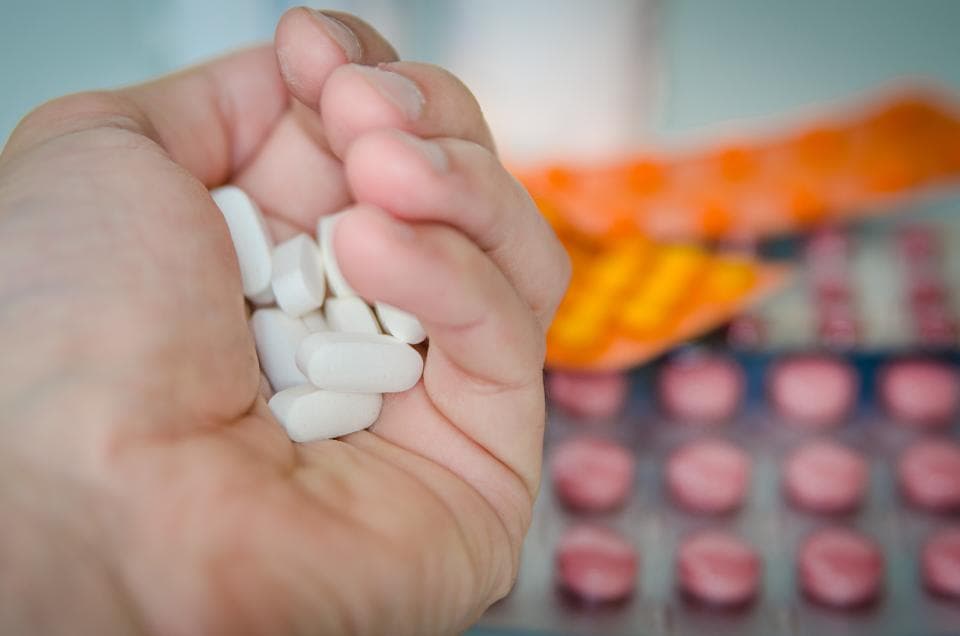
Can you overdose on shilajit? For a healthy adult taking a purified, lab-tested product at normal doses, a life-threatening overdose is very unlikely. There is no well-documented case of someone dying from too much clean shilajit. The real danger is not the resin itself but two things: taking megadoses far above the studied range, and using a cheap, unpurified product loaded with heavy metals or other contaminants.
So the honest answer sits in the middle. You probably will not "overdose" the way you can on a drug, but you can absolutely take too much, feel unwell, and over months expose yourself to real harm from a low-quality product. This guide explains the safe limits, the warning signs, and who should avoid shilajit entirely.
Bottom line: a single large dose of pure shilajit is unlikely to be fatal, but doses above roughly 1,000 mg per day, and any amount of contaminated product, can cause real harm. Stick to 300 to 500 mg of a purified, lab-tested resin or capsule.
What "overdose" actually means with shilajit
When people ask about overdosing, they usually mix up two separate questions. The first is acute toxicity: can one big dose hurt you today? The second is chronic harm: can taking a lot over weeks or months damage your body? Shilajit behaves very differently on each.
- Acute (single dose): Pure shilajit has a wide safety margin. Even several times the normal serving is unlikely to be dangerous in one sitting for a healthy adult, though it may upset your stomach.
- Chronic (daily, long term): Here the risk is heavy metals and impurities building up over time, plus possible effects on blood pressure, iron levels, or blood sugar.
- Contamination: Raw, roadside, or unpurified shilajit can contain lead, arsenic, mercury, fungus, or free radicals, which is a separate and more serious hazard.
If you want the full picture on safety before you start, our guide on whether shilajit is safe to take walks through the evidence in plainer detail, and the dedicated piece on shilajit side effects covers what mild reactions look like.
The studied dose vs. a megadose
Most human research on shilajit uses a fairly narrow range. Clinical trials have generally used purified shilajit in the area of 250 to 500 mg per day, sometimes split into two doses. That range is where the benefits are documented and where the safety record is strongest. You can read more about how researchers landed there in the National Institutes of Health supplement resources and broader analyses on Examine's evidence database.
A "megadose" is anything well beyond that. Some people assume more resin means more energy or testosterone, so they scoop a gram or two daily. That logic does not hold. Above the studied window you are not buying extra benefit, you are mostly buying extra risk and a faster route through your jar. Our shilajit dosage guide breaks the numbers down by bodyweight and form, and the question of why shilajit isn't working for some people is almost never solved by taking dangerous amounts.
| Daily amount | Risk level | Notes |
|---|---|---|
| 300 to 500 mg | Standard | Studied range for most healthy adults |
| 500 to 1,000 mg | Caution | Tolerable for some, watch for side effects |
| Over 1,000 mg | Not advised | No added benefit, higher contaminant and side-effect load |
If you are unsure how much your product actually delivers per serving, learn how to take shilajit correctly and check the label against our shilajit resin and shilajit capsules breakdowns.
The real danger: contaminated and unpurified shilajit
This is the part that matters most. The biggest documented harm from shilajit is not from the active compounds, it is from what hides in a poorly made product. Raw shilajit scraped from rocks can carry heavy metals like lead and arsenic, mycotoxins, and oxidized free radicals that processing is supposed to remove. The U.S. Food and Drug Administration does not pre-approve supplements, so quality control falls on the brand and on you.
Heavy metal exposure is a genuine YMYL concern. Lead has no safe level for children and can accumulate in adults, and you can read more on the toxicology through resources like Cleveland Clinic and the research indexed on PubMed. This is why "purified" is not marketing fluff. Traditional Ayurvedic processing exists specifically to detoxify the raw material, a topic we cover in how shilajit is made.
To protect yourself, buy only products with third-party lab testing for heavy metals. A verified resin such as this DBP-verified 20g shilajit publishes its purity data, and a clearly purified option like PakShilajit purified Himalayan resin is a safer bet than an anonymous jar. Our guide to shilajit lab certification and the deeper how to test shilajit quality article explain exactly what to look for on a certificate of analysis.
Signs you are taking too much
Your body usually warns you before anything serious happens. Most people who overdo shilajit notice mild, reversible symptoms first. If you experience these, lower your dose or stop and reassess.
- Digestive upset, nausea, or loose stools
- Dizziness or a headache, sometimes tied to blood pressure changes
- Feeling unusually warm, flushed, or restless
- A racing heart or jittery, overstimulated feeling
- Itching or a rash, which can signal an allergic reaction
Shilajit is rich in iron, so people with conditions like hemochromatosis can run into trouble from iron overload at high intakes. General supplement-safety information from Mayo Clinic and Healthline reinforces the same rule: more is not better. If symptoms are severe (chest pain, trouble breathing, swelling of the face or throat), treat it as a medical emergency, not a supplement question.
Can a single big dose hurt you?
For a healthy adult using clean product, accidentally taking double or triple your normal serving once is unlikely to cause lasting harm. You may feel queasy or wired, but pure shilajit has a wide acute safety margin. The bigger your dose, though, the bigger your exposure to whatever impurities the product contains, so a megadose of a cheap jar is riskier than the same amount of a verified one.
Where it gets dangerous is repetition. Taking large amounts every day is what allows heavy metals and other contaminants to accumulate, and it is what stresses systems like your kidneys and liver over time. If you are tempted to load up, read why shilajit isn't working first, because the fix is almost always consistency and quality, not quantity. Cycling can also help, which is covered in our shilajit cycling protocol.
Who should avoid shilajit entirely
Some people should not take shilajit at any dose without medical clearance. This is the safety guidance that matters most.
- Pregnant or breastfeeding women. There is not enough safety data, and contamination risk makes it not worth it. See our dedicated note on shilajit and pregnancy safety.
- People with hemochromatosis or iron-overload conditions, because of shilajit's iron content.
- Anyone on blood pressure, blood thinner, or blood sugar medication, since shilajit may amplify those effects. Talk to your prescriber first.
- People with active gout or very high uric acid, as shilajit may raise uric acid in some individuals.
- Children, who are most vulnerable to any trace heavy-metal exposure.
If you take any prescription medication, a conversation with your doctor or pharmacist is the single most important safety step. Drug interaction information can be checked through MedlinePlus and the NIH resources.
How to use shilajit safely
Keeping shilajit safe is mostly about three habits: pick a clean product, dose conservatively, and stay consistent rather than heavy. Start at the low end, around 250 to 300 mg, and only adjust upward if you tolerate it well.
Quality first. A reputable purified resin such as BetterAlt Himalayan shilajit or a convenient pre-measured format like Himalayan pure extract capsules removes the guesswork on serving size, which matters because resin is easy to over-portion. If you dislike measuring sticky resin, shilajit gummies cap the dose for you and reduce the temptation to megadose.
Store it properly so it does not degrade, which we cover in how to store shilajit, and confirm freshness using does shilajit expire. For more on realistic outcomes and timelines instead of chasing a quick fix, see does shilajit work and what is shilajit. Choosing a trustworthy brand from the start is easier with our best shilajit roundup.
Frequently Asked Questions
Q: Can you overdose on shilajit and die?
There is no well-documented case of a fatal overdose from pure, purified shilajit at any realistic intake. The serious risks come from chronic use of contaminated, unpurified products that contain heavy metals, not from the resin's active compounds themselves. Stick to lab-tested products and normal doses to stay within the safe range.
Q: How much shilajit is too much per day?
Most clinical research uses 250 to 500 mg daily. Doses above 1,000 mg per day are not advised because they add no proven benefit and increase your exposure to side effects and any contaminants in the product. If you feel nausea, dizziness, or a racing heart, that is a sign to cut back.
Q: What happens if you take too much shilajit?
The most common effects of too much shilajit are digestive upset, nausea, dizziness, headache, flushing, or a jittery, overstimulated feeling. These are usually mild and reversible once you lower the dose. Severe symptoms like chest pain, breathing trouble, or facial swelling are a medical emergency and need immediate care.
Q: Is shilajit toxic to the liver or kidneys?
Clean, purified shilajit at normal doses is not known to be toxic to the liver or kidneys in healthy adults. The toxicity concern is tied to heavy metals and impurities in low-quality products, plus chronic megadosing. Buy third-party tested resin and stay within the studied dose to minimize that risk.
Q: Who should not take shilajit?
Pregnant or breastfeeding women, children, people with hemochromatosis or iron overload, and anyone on blood pressure, blood thinner, or blood sugar medication should avoid shilajit or only use it with medical clearance. When in doubt, ask your doctor or pharmacist before starting.
How we research this content
This article was written by Paula Kessler and reviewed against published research and traditional sources by the Clean Shilajit editorial team. Where we reference studies, we link to them so you can read the original.
This content is for education and is not medical advice. It follows our editorial guidelines and is updated as new evidence emerges. Always speak with a qualified healthcare provider before changing your supplement routine.
Ready to Experience Pure Shilajit?
Check out our recommended products and start your wellness journey today.
View Recommended ProductsRelated Articles
Shilajit and Kidney Health: Risks, Benefits and Precautions
Shilajit side effects on kidney explained plainly: who is at risk from heavy metals and uric acid, when it may help, and the precautions to take before you start.

Shilajit and Uric Acid: Does It Worsen Gout?
Worried about shilajit side effects, uric acid, and gout? Here is what the evidence actually shows, who should be cautious, and how to use it more safely.
Is Shilajit Dangerous? Separating Fact from Fear
Is shilajit dangerous? For most healthy adults a purified, lab-tested product at normal doses is low risk. Here are the real hazards and who should avoid it.