
Shilajit Contraindications: Who Should Not Take It

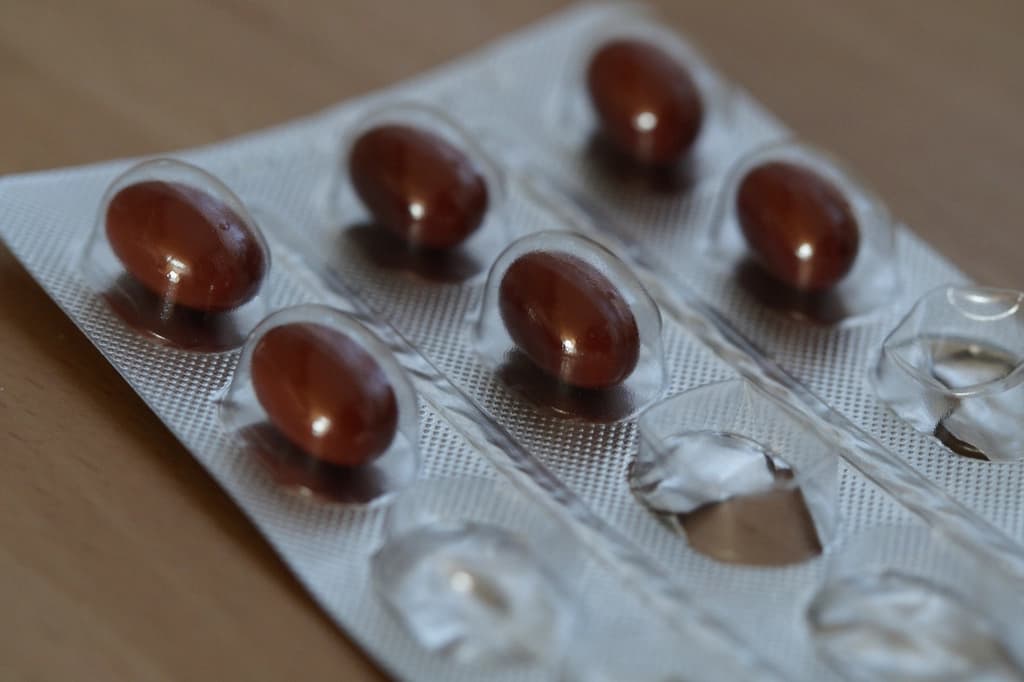
A contraindication is a specific reason you should not take a supplement, either because it could harm you or because it could interfere with a condition or medication you already have. Shilajit contraindications include pregnancy and breastfeeding, hemochromatosis or iron overload, active kidney disease, gout, and use alongside blood thinners, diabetes drugs, blood pressure medication, or lithium. People with autoimmune conditions and anyone scheduled for surgery should also pause it.
Most healthy adults tolerate a purified product well, but "well tolerated" is not the same as "safe for everyone." This guide walks through who should avoid shilajit, which medications clash with it, and the practical steps to take before you start. If you want the broader risk picture, pair this with our deep dive on shilajit side effects and the general overview of whether shilajit is safe.
Quick Reference: Who Should Avoid Shilajit
Here is the short list before the detail. If any of these apply to you, treat shilajit as off-limits or strictly doctor-supervised.
- Pregnancy and breastfeeding (no established safety data)
- Hemochromatosis or any iron-overload disorder
- Active kidney disease or a history of kidney stones
- Gout or high uric acid
- Autoimmune conditions where immune stimulation is risky
- Scheduled surgery within two weeks
- Anyone on blood thinners, diabetes medication, blood pressure drugs, or lithium
The reasoning behind each of these matters, because the strength of the warning is not the same across the board. Some are hard stops; others are "ask your doctor first."
Pregnancy and Breastfeeding
This is the clearest contraindication. There is no reliable human safety research on shilajit during pregnancy or while nursing, and the mineral and humic content makes it a poor candidate for guesswork. Traditional Ayurvedic texts are not a substitute for safety trials, so the responsible default is to avoid it entirely.
The bigger concern is contamination. Raw or under-purified shilajit can carry heavy metals like lead and arsenic, which cross the placenta and concentrate in developing tissue. The FDA tracks heavy metals in food and supplements precisely because of risks like these. We cover the topic in full in our guide to shilajit and pregnancy safety, but the headline is simple: do not take it. The same caution applies while breastfeeding, since compounds can pass into milk.
Iron Overload and Hemochromatosis
Shilajit naturally contains iron and supports iron metabolism, which is part of why it is studied for energy and red blood cell support. That is a benefit for some people and a danger for others. If you have hemochromatosis, thalassemia, or any condition that causes your body to store too much iron, adding more is the opposite of what you need.
Iron overload damages the liver, heart, and pancreas over time. The Cleveland Clinic explains how excess iron accumulates silently before symptoms appear. If you do not know your iron status and you take supplements regularly, a ferritin test is worth doing. For more on the mineral side of this, see our breakdown of shilajit minerals and the role of fulvic acid in nutrient absorption.
Kidney Disease, Stones, and Gout
Shilajit increases uric acid handling in some people and carries a mineral load that the kidneys have to process. If your kidneys are already compromised, that extra work is not trivial. People with chronic kidney disease, a history of kidney stones, or gout should avoid shilajit or use it only under medical supervision.
Higher uric acid can trigger gout flares and contribute to certain kinds of kidney stones. The National Institutes of Health Office of Dietary Supplements is a good starting point for understanding how mineral supplements interact with kidney function. When in doubt, get bloodwork first and talk to your doctor.
Medication Interactions That Matter
This is where most people get caught off guard, because a supplement feels harmless next to a prescription. It is not. Shilajit can amplify or interfere with several common drug classes.
| Medication or class | Why it interacts | What to do |
|---|---|---|
| Blood thinners (warfarin, aspirin) | May affect bleeding and clotting | Avoid or get supervision |
| Diabetes medication | Can lower blood sugar further | Monitor glucose closely |
| Blood pressure drugs | May add a lowering effect | Watch for dizziness |
| Lithium | Can change how the body clears it | Avoid without doctor input |
| Iron supplements | Stacks iron on iron | Do not combine casually |
Shilajit appears to support healthy blood sugar, which sounds great until you stack it on top of metformin or insulin and drift into hypoglycemia. If you are exploring it for that reason, read shilajit for diabetes type 2 and loop in your prescriber. The interaction logic is the same for blood pressure: a mild lowering effect is fine alone, risky when added to medication.
For a plain-language primer on why supplement and drug timing matters, Mayo Clinic and Healthline both keep accessible references. The independent reviewers at Examine summarize the human evidence without the marketing spin.
Autoimmune Conditions and Surgery
Shilajit has immune-modulating effects, which can be a problem if you have an autoimmune disease like lupus, rheumatoid arthritis, or multiple sclerosis. Stimulating an already overactive immune system can theoretically worsen symptoms. The evidence here is thin, so caution wins. If you are curious about the immune angle in general, our article on shilajit for immunity lays out what is and is not known.
Surgery is a temporary contraindication. Because shilajit can influence blood sugar and possibly clotting, stop it at least two weeks before any scheduled procedure. Your surgical team needs predictable physiology, and any supplement that nudges glucose or bleeding is an unwanted variable. You can find broader interaction context in research indexed on PubMed and the full-text archive at PMC.
Quality Is a Contraindication Too
Here is the part the supplement industry would rather skip. A clean, lab-tested product and a cheap roadside resin are not the same risk profile. Most serious shilajit safety incidents trace back to contamination, not the compound itself. Heavy metals, mold, and adulterants turn a generally safe supplement into a hazard.
If you are going to take shilajit at all, buy something third-party tested. A DBP-verified, lab-tested 20g resin or a purified Himalayan PakShilajit tells you someone actually checked for contaminants. Brands like the Herbs Mill Himalayan resin and a Himalayan organic resin extract publish their testing, which matters far more than the price. If you prefer a no-mess option, a liquid drop format or convenient capsules can still be properly verified. Learn how to vet this yourself in our guides to testing shilajit quality and lab certification.
How to Start Safely If No Contraindications Apply
If none of the warnings above apply to you, the path is straightforward. Start low, go slow, and pay attention. Begin at the bottom of the recommended range rather than the dose on the label, which is often optimistic. Our shilajit dosage guide and the practical how to take shilajit walkthrough cover the specifics.
Cycle it rather than taking it forever. Many people use a cycling protocol with periodic breaks, which limits cumulative mineral load and lets you notice whether it is actually doing anything. If symptoms appear, stop and reassess against the side effects list. And whatever you do, talk to a doctor first if you take any chronic medication or have any of the conditions covered above.
Frequently Asked Questions
Q: Who should not take shilajit?
People who are pregnant or breastfeeding, anyone with hemochromatosis or iron overload, those with active kidney disease, kidney stones, or gout, people with autoimmune conditions, anyone within two weeks of surgery, and people taking blood thinners, diabetes drugs, blood pressure medication, or lithium should avoid shilajit or only use it under medical supervision.
Q: Can I take shilajit with my medications?
Not without checking first. Shilajit can interact with blood thinners, diabetes medication, blood pressure drugs, lithium, and iron supplements. Some of these interactions can push blood sugar or blood pressure too low or affect bleeding. Always confirm with your prescriber before combining it with any chronic medication.
Q: Is shilajit safe during pregnancy?
No. There is no reliable human safety data for shilajit during pregnancy or breastfeeding, and contamination risk from heavy metals makes the unknowns serious. The safe default is to avoid it entirely until after you finish nursing.
Q: Why does iron overload make shilajit risky?
Shilajit contains iron and supports iron absorption. If you already store too much iron, as in hemochromatosis or thalassemia, adding more can worsen organ damage to the liver, heart, and pancreas. People with these conditions should avoid it.
Q: Does product quality change the safety risk?
Yes, significantly. Most serious shilajit safety problems come from contamination in raw or cheap products rather than the compound itself. Choosing a third-party, lab-tested, purified product removes a large part of the risk, which is why verification matters more than price.
How we research this content
This article was written by Paula Kessler and reviewed against published research and traditional sources by the Clean Shilajit editorial team. Where we reference studies, we link to them so you can read the original.
This content is for education and is not medical advice. It follows our editorial guidelines and is updated as new evidence emerges. Always speak with a qualified healthcare provider before changing your supplement routine.
TAGS
Ready to Experience Pure Shilajit?
Check out our recommended products and start your wellness journey today.
View Recommended ProductsRelated Articles
Is Shilajit Safe? The Honest Risk Profile and Who Should Avoid It
Heavy metals, iron overload, drug interactions, and pregnancy. The full safety picture on shilajit, with real studies and clean-brand criteria.
Is Shilajit Dangerous? Separating Fact from Fear
Is shilajit dangerous? For most healthy adults a purified, lab-tested product at normal doses is low risk. Here are the real hazards and who should avoid it.
Shilajit and Hemochromatosis: Iron Overload Risk Explained
Shilajit iron overload hemochromatosis concerns explained: why people with iron-loading conditions should avoid shilajit, what the research shows, and safer choices.