
Shilajit Cognitive Benefits: What the Brain Evidence Shows

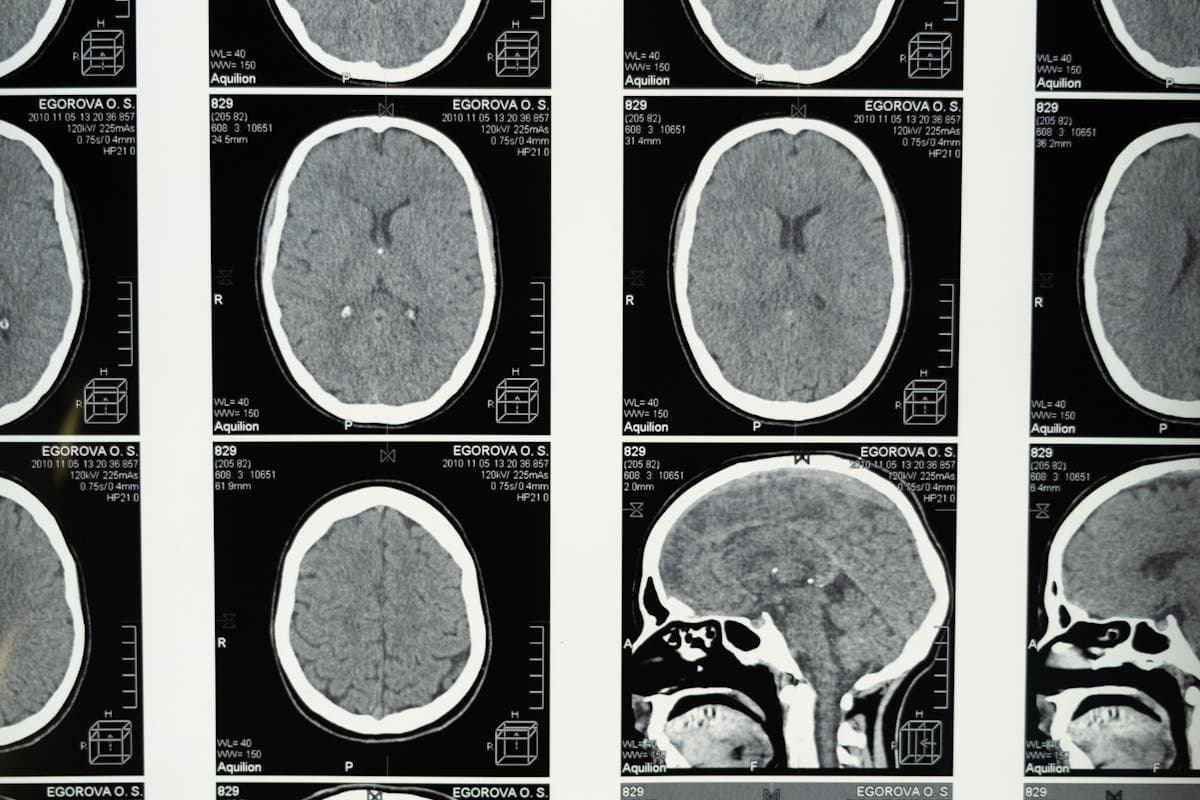
Shilajit cognitive benefits center on one active compound: fulvic acid. Early laboratory and small human studies suggest that fulvic acid, the molecule that gives purified shilajit much of its punch, may help protect brain cells, support memory pathways, and steady mental energy. The evidence is promising but still early, so the honest answer is that shilajit may support brain health rather than guarantee sharper thinking.
If you want the practical version: a purified, lab-tested shilajit resin taken in a modest daily dose is the form most researchers have studied for cognition. It is not a stimulant, so do not expect a coffee-like jolt. Below you will find what the science actually shows, how fulvic acid is thought to work, sensible dosing, and who should avoid it.
Short answer: shilajit's main cognitive ingredient is fulvic acid, which lab research links to antioxidant and anti-inflammatory effects in brain tissue, but human cognitive trials remain small and early.
What Shilajit Is and Why the Brain Cares
Shilajit is a sticky, tar-like substance that seeps from rock layers in mountain ranges like the Himalayas and the Altai. It forms over centuries from compressed plant matter and is rich in fulvic acid, humic substances, and trace minerals. If you are new to it, our explainer on what shilajit actually is covers the basics, and how shilajit is made walks through its slow geological origin.
The brain connection comes mostly from fulvic acid. This compound is a small, mobile antioxidant that can interact with proteins and metals inside cells. Researchers have studied it for its potential to reduce oxidative stress, a process tied to aging and several neurological conditions. The National Center for Biotechnology Information hosts much of the preclinical work on these mechanisms.
Shilajit also delivers dozens of trace minerals, some of which act as cofactors for enzymes the brain uses for energy and neurotransmitter production. That does not make it a magic memory pill, but it explains why traditional Ayurvedic medicine, described in our piece on shilajit's rasayana history, used it as a rejuvenating tonic for the mind as well as the body.
How Fulvic Acid May Support Cognition
The most discussed mechanism involves a brain protein called tau. In neurodegenerative disease, tau can misfold and clump, disrupting how neurons communicate. Laboratory studies have reported that fulvic acid may interfere with this clumping process, which is why it keeps appearing in early research on cognitive aging. You can read overviews of this line of inquiry through PubMed.
Three other pathways come up repeatedly:
- Antioxidant defense. Fulvic acid can neutralize reactive molecules that damage neurons over time.
- Anti-inflammatory signaling. Chronic low-grade inflammation is linked to brain fog and slower processing, and fulvic compounds may help calm it.
- Mitochondrial energy. Some research suggests shilajit supports the cellular machinery that produces energy, which the brain consumes in large amounts. Our article on shilajit for energy explores this in more detail.
It is worth being clear-eyed here. Much of this work is done in cell cultures or animals, not large human trials. The independent research summary site Examine is a good place to gauge how strong the human evidence really is before you form expectations.
What the Human Research Actually Shows
Human cognitive trials on shilajit are small and few. Some studies in older adults have reported improvements in measures of memory and mood after several weeks of supplementation, but sample sizes have been limited and not all results replicate. That pattern, encouraging early signals waiting on bigger trials, is common for botanical supplements.
This does not mean shilajit is useless for the brain. It means you should treat it as a supportive supplement rather than a treatment. If a product or seller claims shilajit cures or prevents Alzheimer's disease, that is a red flag. The U.S. Food and Drug Administration does not allow supplements to make disease-treatment claims, and reputable brands do not.
For a wider view of how the cognitive claims stack up against shilajit's other reported effects, our complete benefits guide and the focused breakdown of shilajit benefits for the brain put the cognitive piece in context. If you like to question the hype, shilajit myths debunked separates the defensible claims from the marketing.
Choosing a Shilajit for Brain Support
The form you pick matters more than any label promising "nootropic" results. Purified resin is the least processed option and the easiest to verify for contaminants, which is why most informed buyers start there. A clean resin like Herbs Mill Himalayan Shilajit Essential or the purity-focused PakShilajit purified resin gives you the raw material in its most studied form.
If you specifically want a product positioned around mental performance, the Essencraft cognitive shilajit is formulated with focus in mind, though the underlying ingredient is the same fulvic-rich resin. Absorption can matter too, and a bioavailability-focused option such as the sugar-free Root Labs ShilAbsorb aims to help your body use more of what you take.
Prefer something you can swallow without measuring paste? Himalayan Pure Extract capsules trade a little potency for convenience. Whatever you choose, compare formats first using our guides to shilajit resin, shilajit capsules, and the broader supplement buying guide.
Above all, demand proof of purity. Shilajit pulled from rock can carry heavy metals if it is not properly purified, so look for third-party testing. Our walkthroughs on how to test shilajit quality and lab certification explain exactly what a clean certificate of analysis should contain.
How to Take Shilajit for Cognitive Goals
Start low. A common starting point is a portion of purified resin roughly the size of a grain of rice (about 300 to 500 mg) once daily, which you can adjust over a few weeks. Our detailed shilajit dosage guide and the step-by-step on how to take shilajit give you safer ranges and timing.
Timing is flexible, but many people prefer mornings so the gentle energy support lines up with their workday. If you are weighing schedules, best time to take shilajit compares morning and night routines.
You can dissolve resin in warm (not boiling) water, or stir it into a drink. Our recipes for mixing shilajit into coffee, tea, and smoothies make it more pleasant. Consistency over weeks matters more than any single dose, and cognitive benefits, if they appear, build gradually rather than overnight.
Some people pair shilajit with other adaptogens for mood and stress, since stress itself clouds thinking. The classic combination is covered in shilajit and ashwagandha, and a ready-made blend like Be Bodywise Shilajit plus Ashwagandha packages both. If anxiety is your main concern, see shilajit for anxiety and stress and shilajit for sleep, because rest is foundational to memory.
Safety, Side Effects, and Who Should Avoid It
Shilajit is generally well tolerated by healthy adults when it is purified and properly dosed. The bigger risk is not the substance itself but contamination in raw or fake products. Reviews of mineral and metal exposure from supplements, like those summarized by the NIH Office of Dietary Supplements, underline why purity testing is non-negotiable.
Avoid shilajit, or talk to a clinician first, if any of the following apply to you:
- Pregnancy or breastfeeding. Safety has not been established; see shilajit and pregnancy safety.
- You take prescription medication. Shilajit can interact with some drugs, especially those affected by iron or blood sugar changes. The Cleveland Clinic is a useful neutral reference on supplement-drug interactions.
- Iron-overload conditions such as hemochromatosis, since shilajit adds iron.
- Active gout or high uric acid, which some users should monitor.
Mild side effects can include digestive upset or headache, especially at higher doses. Our side effects overview and the broader is shilajit safe explainer detail what to watch for. General health bodies like the Mayo Clinic and consumer guides such as Healthline also recommend pausing any supplement if new symptoms appear.
Finally, set realistic expectations. If your focus problems stem from poor sleep, dehydration, or untreated medical issues, no supplement substitutes for fixing the root cause. Shilajit is best viewed as one supporting piece of a brain-healthy routine, not a shortcut.
Frequently Asked Questions
Q: Does shilajit really improve memory?
Early laboratory and small human studies suggest shilajit's fulvic acid may support memory pathways and protect neurons, but large, high-quality human trials are still lacking. Treat it as a supportive supplement, not a proven memory drug.
Q: How long until I notice cognitive benefits from shilajit?
Any cognitive effects tend to build gradually over several weeks of consistent daily use rather than appearing after a single dose. Give a purified product at least four to six weeks before judging it, and track sleep and stress, which heavily influence focus.
Q: Is shilajit a stimulant like caffeine?
No. Shilajit does not contain caffeine and is not a stimulant. Any energy support comes from its possible effects on cellular energy production, so it feels gentle and steady rather than sharp like coffee.
Q: What is the best form of shilajit for brain health?
Most research uses purified resin standardized for fulvic acid, so a clean, third-party-tested resin is a sensible default. Capsules and extracts are more convenient but can be less potent. Purity testing matters more than the format you choose.
Q: Can I take shilajit with other nootropics or supplements?
Many people combine shilajit with adaptogens like ashwagandha, but stack carefully and add one thing at a time. If you take prescription medication, especially for blood sugar or iron-related conditions, check with a clinician before combining supplements.
How we research this content
This article was written by Paula Kessler and reviewed against published research and traditional sources by the Clean Shilajit editorial team. Where we reference studies, we link to them so you can read the original.
This content is for education and is not medical advice. It follows our editorial guidelines and is updated as new evidence emerges. Always speak with a qualified healthcare provider before changing your supplement routine.
Ready to Experience Pure Shilajit?
Check out our recommended products and start your wellness journey today.
View Recommended ProductsRelated Articles

Shilajit and Cortisol: Can It Actually Lower Stress Hormones?
Does shilajit cortisol lowering hold up? See what the research, fulvic acid, and adaptogen pairings suggest about stress hormones, dosing, and safety.

Shilajit for Energy and Fatigue: What the Research Actually Shows
Does shilajit give you energy? Here is what the research shows on fatigue, mitochondria, and minerals, plus honest dosing and safety from a health writer.

Does Shilajit Increase Sperm Count? What Human Studies Actually Show
Does shilajit increase sperm count? Here is what the human research shows about purified shilajit, sperm count, motility, and male fertility, plus safety.