
Shilajit Heavy Metals and FDA Warnings: What Buyers Need to Know

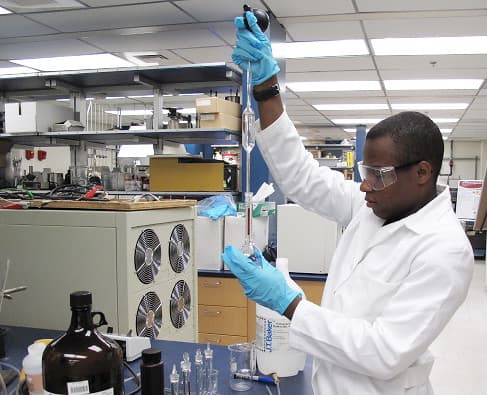
The short version: the FDA has never issued a single nationwide "shilajit warning," but it does regulate shilajit as a dietary supplement, and independent lab testing has repeatedly found that some raw or poorly purified shilajit products carry heavy metals like lead, arsenic, and mercury above safe limits. The contamination is real, but it is a sourcing and processing problem, not an inherent property of shilajit itself. A properly purified, lab-tested product can be very low in heavy metals.
If you have searched for a "shilajit heavy metals FDA warning," you have probably seen scary headlines mixed with marketing copy that all sounds the same. This guide separates what regulators actually say from what testing actually shows, and it gives you a practical way to buy without gambling on contamination.
Bottom line: shilajit is not banned or recalled by the FDA, but unpurified resin can contain dangerous levels of lead and arsenic, so heavy-metal lab testing is the single most important thing to check before you buy.
What the FDA Actually Says About Shilajit
The FDA does not "approve" any dietary supplement before it goes on sale. Under the Dietary Supplement Health and Education Act, supplements are regulated more like food than like drugs. That means a shilajit brand can put a product on Amazon without the FDA reviewing its safety or its heavy-metal content first.
What the FDA does do is set rules and step in after the fact. It enforces manufacturing standards (current Good Manufacturing Practices), it issues warning letters to companies that make illegal disease claims, and it can pursue recalls when a product is found to be adulterated. You can read how the agency frames supplement oversight directly on its dietary supplements information page.
So when someone says "FDA warning on shilajit," they are usually describing one of three things: a warning letter to a specific company over marketing claims, a general FDA caution about heavy metals in imported supplements and herbal products, or simply the agency's standing position that supplements are not pre-approved. None of that is a blanket recall of shilajit. For a broader view of how regulation and quality intersect, our guide on whether shilajit is safe walks through the full picture.
Why Heavy Metals Show Up in Shilajit at All
Shilajit is a natural exudate that seeps from rock layers in high mountain ranges, mostly the Himalayas, Altai, and Caucasus. It forms over centuries as plant matter and minerals compress and break down. That same geological process is why shilajit is rich in fulvic acid and trace minerals, and it is also why heavy metals can hitch a ride.
The rock and soil that shilajit comes from naturally contain elements like lead, arsenic, mercury, and cadmium. When raw resin is scraped from cliffs and sold with little or no purification, those metals come along with the beneficial humic substances. Understanding how shilajit is made makes the risk obvious: purification is not an optional luxury, it is the step that removes contaminants.
Heavy metals matter because they accumulate in the body and the effects build slowly. The CDC and major medical centers note that there is no truly "safe" level of lead exposure, and chronic arsenic exposure is linked to serious long-term harm. The Cleveland Clinic has an accessible overview of lead poisoning symptoms and risks if you want to understand what is actually at stake.
What Independent Testing Has Found
Several independent analyses of commercial shilajit have found heavy-metal levels that exceed acceptable limits in a meaningful share of cheap or unpurified products. The exact percentages vary by study and by region, so rather than quote a single figure, the honest summary is this: contamination is common enough in low-quality product that you should never assume a random jar is clean.
The scientific literature backs up the concern. Reviews of shilajit composition published on PubMed and the NIH PubMed Central archive repeatedly flag that raw shilajit can contain mycotoxins and heavy metals, and that traditional and modern purification methods are needed to make it safe for use. This is also why Ayurvedic texts always describe a processing step, not raw consumption, a point covered in our piece on traditional Ayurvedic uses of shilajit.
Here is a simple way to think about the contamination tiers:
| Product type | Typical heavy-metal risk |
|---|---|
| Raw, unpurified "wild" resin from informal sellers | High, untested, avoid |
| Mass-market resin with no published lab report | Unknown, treat as risky |
| Brand with third-party heavy-metal certificate of analysis | Low, verifiable |
| Lab-tested capsules or standardized extract | Low, consistent batches |
The takeaway is not "shilajit is dangerous." It is "untested shilajit is a gamble, and you do not have to gamble."
How to Read a Heavy-Metal Lab Report
A certificate of analysis (COA) is the document that tells you what is actually in the jar. A trustworthy brand will show one, and it will name the four metals that matter most: lead, arsenic, mercury, and cadmium. Our deep dive on how to test shilajit quality covers both lab reports and at-home checks.
When you look at a COA, check four things:
- The metals tested. You want lead, arsenic, mercury, and cadmium listed by name, not a vague "passes safety standards" line.
- The limits used. Good reports compare results against an established standard such as USP or California Proposition 65 levels.
- The lab. An independent, accredited third-party lab carries far more weight than an in-house number.
- The batch and date. A report should match a recent production lot, not a years-old sample. Since potency and storage change over time, our note on whether shilajit expires is worth a read too.
If a brand cannot produce this on request, treat the absence as your answer. For the deeper framework on accreditation and what certifications mean, see our guide to shilajit lab certification and our overview of shilajit sourcing standards.
Lab-Tested Shilajit Products Worth Considering
The good news is that buying tested product is no longer hard. Several brands now publish heavy-metal results and purify their resin properly. A few options that lean into purity and lab verification:
For a resin marketed specifically around purification, PakShilajit Himalayan Purified resin is a reasonable starting point. If you want a product that leads with documented testing, the DBP-verified Natural Shilajit 20g puts lab work front and center.
Capsules can simplify dosing and often come from standardized batches, which is one reason some buyers prefer the Himalayan Pure Extract capsules over scraping resin from a jar. If absorption and a clean formula matter to you, the sugar-free ShilAbsorb formula from Root Labs is built around bioavailability. And for an authenticity-focused resin, the Authentic Genuine Himalayan Shilajit resin is another tested option.
Whatever you choose, the rule is the same: verify the testing, do not just trust the label. Our broader best shilajit roundup and the ultimate shilajit buying guide for 2026 apply the same screening logic across many brands.
Who Is Most at Risk From Contaminated Shilajit
Heavy metals are a concern for everyone, but some groups face sharper risk and should be especially careful, or avoid shilajit entirely.
Pregnant and breastfeeding people should not take shilajit. Lead and other metals cross the placenta and are linked to developmental harm, and there is no safe established dose during pregnancy. We cover this in detail in our shilajit and pregnancy safety guide, and it is the one contraindication worth treating as absolute.
Children, people with iron-overload conditions such as hemochromatosis, and anyone with kidney or liver disease should also avoid unverified product or skip shilajit altogether, because their bodies clear or store metals differently. The MedlinePlus consumer resource on supplement safety is a sensible reference for these populations.
If you take regular medications, talk to a clinician first. Shilajit can affect iron levels, blood sugar, and possibly blood pressure, which means it can interact with iron supplements, diabetes drugs, and other medicines. Our shilajit side effects article lists the specific interaction categories, and the NIH Office of Dietary Supplements is a good general authority on supplement interactions.
Practical Safety Checklist Before You Buy
You do not need a chemistry degree to buy safely. Run through this short list and you will avoid the worst products.
First, demand a heavy-metal COA from a third-party lab. Second, prefer brands that name their sourcing region and describe purification rather than vague "ancient" marketing. Third, start low and go slow with dosing; our shilajit dosage guide explains a sensible starting range. Fourth, store it correctly so it stays stable, which our how to store shilajit guide covers.
Finally, be skeptical of price extremes. Shilajit that is far cheaper than the market is cheaper for a reason, and that reason is often skipped purification. The independent supplement reference Examine is a useful, non-commercial place to sanity-check claims before you spend money.
So, Is the FDA Warning Something to Fear?
Frame it correctly and the answer is reassuring. There is no FDA ban on shilajit, and the "warning" people search for is really a combination of the agency's standing supplement rules and legitimate concern about heavy metals in unpurified product. Reputable consumer health sites like Healthline describe shilajit as generally safe when it is properly purified and sourced.
The risk is concentrated almost entirely in cheap, untested resin. Choose a brand that publishes real lab data, avoid raw "wild" product from informal sellers, and follow basic dosing and contraindication rules. Do that, and the heavy-metal issue moves from a deal-breaker to a manageable, checkable detail. If you want to keep reading, our overview of whether shilajit actually works and our complete benefits guide put the safety picture in context with what the supplement can realistically do.
Frequently Asked Questions
Q: Has the FDA banned or recalled shilajit?
No. The FDA has not banned shilajit or issued a blanket recall. It regulates shilajit as a dietary supplement, which means products are not pre-approved for safety. The agency can issue warning letters over illegal marketing claims and can act against specific adulterated products, but shilajit as a category remains legal to sell in the United States.
Q: Does shilajit really contain heavy metals?
It can. Raw, unpurified shilajit comes from rock and soil that naturally contain lead, arsenic, mercury, and cadmium. Proper purification removes most of these contaminants, which is why a lab-tested product can be very low in heavy metals while cheap untested resin may exceed safe limits. Always ask for a third-party certificate of analysis.
Q: How do I know if my shilajit is safe from heavy metals?
Look for a third-party heavy-metal certificate of analysis that names lead, arsenic, mercury, and cadmium and compares them against an established standard such as USP or Proposition 65 levels. Match the report to a recent batch. If a brand cannot provide this, do not assume the product is clean.
Q: Who should avoid shilajit because of contamination risk?
Pregnant and breastfeeding people should avoid it entirely. Children, people with hemochromatosis or other iron-overload conditions, and anyone with kidney or liver disease should also avoid unverified product. If you take medications for iron, diabetes, or blood pressure, check with a clinician before starting.
Q: Are capsules safer than resin for avoiding heavy metals?
Not automatically. Safety depends on purification and testing, not on the format. That said, capsules and standardized extracts often come from more consistent, batch-tested production runs, which can make verification easier. Whether you choose resin or capsules, the deciding factor should always be a credible heavy-metal lab report.
How we research this content
This article was written by Paula Kessler and reviewed against published research and traditional sources by the Clean Shilajit editorial team. Where we reference studies, we link to them so you can read the original.
This content is for education and is not medical advice. It follows our editorial guidelines and is updated as new evidence emerges. Always speak with a qualified healthcare provider before changing your supplement routine.
Ready to Experience Pure Shilajit?
Check out our recommended products and start your wellness journey today.
View Recommended ProductsRelated Articles
Is Shilajit Dangerous? Separating Fact from Fear
Is shilajit dangerous? For most healthy adults a purified, lab-tested product at normal doses is low risk. Here are the real hazards and who should avoid it.
Shilajit and Kidney Health: Risks, Benefits and Precautions
Shilajit side effects on kidney explained plainly: who is at risk from heavy metals and uric acid, when it may help, and the precautions to take before you start.
Is Shilajit Safe Long-Term? What Daily Use Studies Show
Is shilajit long term use safe? Here is what daily-use studies, toxicology data, and cycling practice say about taking purified resin for months or years.