
Himalayan vs Altai Shilajit: Which Source Is Actually Better?

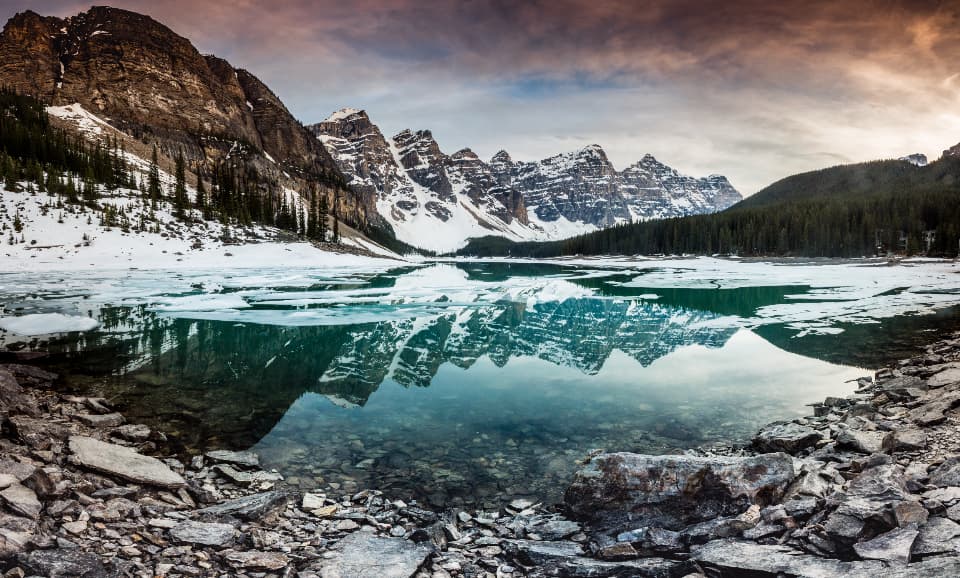
For the altai vs himalayan shilajit question, here is the honest answer: neither source is automatically better. Both Himalayan and Altai shilajit are the same type of natural resin, formed over centuries from decomposed plant matter trapped in mountain rock, and both can be excellent or terrible depending on the brand. What actually decides quality is purification and third-party lab testing, not the mountain range printed on the label.
Himalayan shilajit comes from the high peaks of India, Nepal, Pakistan, and surrounding regions, and it is the source most studies and traditional Ayurvedic texts reference. Altai shilajit comes from the Altai mountains where Russia, Kazakhstan, Mongolia, and China meet, and it is prized in Siberian and Central Asian folk medicine. Below you will find what really separates them, where each tends to shine, and how to avoid wasting money on either.
Short answer: Himalayan shilajit has the deeper research and tradition behind it, while Altai shilajit is often slightly higher in fulvic acid by some vendor reports. For most buyers, a heavy-metal-tested, purified resin from either source beats an unverified product from the "better" mountain.
Altai vs Himalayan Shilajit at a Glance
| Factor | Himalayan | Altai |
|---|---|---|
| Main region | India, Nepal, Pakistan | Russia, Kazakhstan, Mongolia |
| Tradition | Ayurveda (rasayana) | Siberian, Central Asian folk use |
| Research base | Larger, most studies | Smaller, less published |
| Fulvic acid | High, varies by batch | Often reported high |
| Availability | Very wide | Narrower, fewer brands |
| Typical price | Moderate | Often slightly higher |
Keep in mind those last rows are general tendencies, not laws. A specific Himalayan jar can easily out-test a specific Altai jar, and the reverse is just as common. The numbers a brand prints mean nothing without a matching certificate of analysis, which I will come back to.
What Shilajit Actually Is (Same Origin, Different Mountains)
Before comparing ranges, it helps to know what you are buying. Shilajit is a sticky, tar-like exudate that seeps from rock in high mountains during warm months. It forms over a very long time as plant material breaks down under pressure, concentrating organic acids and trace minerals. If you want the full picture, our guide on what shilajit is and the explainer on how shilajit is made walk through the geology and chemistry.
The two headline compounds people care about are fulvic acid and a broad spectrum of trace minerals. Fulvic acid is the carrier molecule thought to help shuttle minerals into cells, and it is the marker most labs measure. You can read more about it in our deep dive on shilajit and fulvic acid and the breakdown of shilajit minerals.
Here is the key point for the altai vs himalayan shilajit debate: both sources produce the same family of compounds. The mountain affects the exact mineral fingerprint and fulvic acid percentage at the margins, but it does not turn one into a different supplement. The National Institutes of Health Office of Dietary Supplements notes that herbal and mineral supplements vary widely between products, which is exactly why testing matters more than origin (ods.od.nih.gov).
Himalayan Shilajit: The Researched, Traditional Choice
Himalayan shilajit is the version most people picture, and for good reason. The bulk of published shilajit research, including work indexed on PubMed, used material from Himalayan regions. Traditional Ayurvedic medicine has used it for centuries as a rasayana, or rejuvenating tonic, a history covered in our piece on traditional Ayurvedic uses.
Because demand is high, the Himalayan supply chain is mature. That is a double-edged sword. You get wide availability and competitive pricing, but you also get the most counterfeits and the most diluted products. The popularity is why we devote a whole article to shilajit himalaya specifics and why purity verification is non-negotiable.
If you want a straightforward Himalayan resin to start with, options like BetterAlt Himalayan Shilajit or the purity-focused PakShilajit purified Himalayan resin are common entry points. For buyers who want documentation front and center, a DBP-verified lab-tested resin puts the certificate ahead of the marketing.
Where Himalayan shilajit genuinely earns its reputation is in alignment with the studies. When researchers describe benefits for energy, testosterone, or recovery, they are usually working with Himalayan-sourced extract, so a quality Himalayan product is the closest match to that evidence. The peer-reviewed literature on shilajit and male health is collected in resources on PMC for anyone who wants to read the primary sources.
Altai Shilajit: The Siberian Alternative
Altai shilajit, sometimes sold as Siberian shilajit or mumijo, comes from a colder, more remote region. Vendors often market it as purer because the area is less industrialized and less crowded with operators, and some lab reports do show Altai resin landing on the higher end for fulvic acid content. That is a real selling point, though it is batch-specific rather than guaranteed.
The honest caveat is that the research base is thinner. Far fewer published human trials use Altai material specifically, so most of what you read leans on the broader shilajit literature plus vendor testing. That does not make it worse, it just means you are relying more heavily on the certificate of analysis and less on a deep stack of studies.
Genuine Altai resin is harder to find than Himalayan, since fewer brands import it. A product such as the Authentic Siberian Altai Golden Mountains resin is one of the few clearly labeled Altai-source options on the mainstream market. As with Himalayan, the label alone proves nothing without test results behind it.
Altai tends to appeal to buyers who specifically want the Siberian tradition, who have tried Himalayan and want to compare, or who found an Altai batch with a fulvic acid number they like. If those describe you, it is a perfectly reasonable pick. If not, you are not missing out by choosing a well-tested Himalayan resin instead.
Fulvic Acid and Minerals: Does the Mountain Really Change Them?
This is where marketing gets loudest, so let me keep it grounded. Both sources can deliver high fulvic acid and a rich trace-mineral profile. The exact percentages shift with altitude, surrounding vegetation, and how the raw material is purified, not just with the country of origin.
A few realities worth holding onto:
- Fulvic acid percentage varies more between brands than between mountain ranges.
- Heavy-metal content depends on purification, not on the source being "clean."
- A high mineral count is only useful if the product is also low in lead, arsenic, and mercury.
That last point is the one people skip. Raw shilajit naturally pulls in whatever is in the surrounding rock, which can include toxic metals, so proper purification is essential. Our article on shilajit side effects and the safety overview at is shilajit safe explain why an unpurified "natural" resin from any mountain can be risky. The FDA has repeatedly flagged dietary supplements contaminated with heavy metals, which is a sourcing problem, not a regional one (fda.gov).
If your goal is mineral support, a clearly characterized product like a mineral-focused shilajit matters more than whether the jar says Himalayan or Altai. For independent, non-promotional summaries of what the evidence supports, examine.com is a useful neutral reference.
Purity and Lab Testing: The Factor That Beats Source
If you remember one thing from this comparison, make it this: a third-party certificate of analysis matters more than the mountain. A tested Altai resin beats an untested Himalayan one, and a tested Himalayan resin beats an untested Altai one. Source is a tiebreaker, not the main event.
Look for testing that covers heavy metals (lead, arsenic, mercury, cadmium), microbial safety, and a stated fulvic acid percentage. Our guides on shilajit lab certification and how to test shilajit quality show exactly what a real report looks like and how to spot fake ones. The sourcing expectations are laid out in shilajit sourcing standards.
You can also run quick at-home checks. Genuine resin dissolves in warm water, softens in your hand, and turns golden when stirred. These tricks are not a substitute for lab data, but they catch obvious fakes, and we cover them in the same testing guide above. For a clinic-grade perspective on supplement safety in general, Cleveland Clinic and Mayo Clinic both stress verifying products before use.
Premium brands that lean hard on documentation, such as HealthForce Shilajit Supreme or an authenticity-verified Himalayan resin, exist precisely because testing is the real differentiator. Whether that source is Himalayan or Altai is secondary.
Price and Availability: Practical Differences
Himalayan shilajit is easier to find and usually a bit cheaper, simply because more brands compete for the same shelf space. Altai is rarer and often carries a small premium tied to its scarcity and Siberian marketing angle. Neither price tells you anything reliable about quality on its own.
For a realistic sense of what fair pricing looks like across formats, our shilajit price guide breaks down resin, capsules, and gummies. If you shop major retailers, the shilajit Amazon guide covers how to read listings without getting fooled by inflated star ratings.
One practical tip: extremely cheap resin from any source is a red flag, because proper purification and testing cost money. A suspiciously low price usually means the brand skipped one of those steps. When in doubt, our roundup of the best shilajit brands filters for ones that publish their data.
Which Format Should You Buy, Regardless of Source?
Source is one decision, format is another, and the two are easy to conflate. Resin is the least processed and easiest to verify, which is why most experts default to it. Capsules and gummies trade some potency and transparency for convenience.
If you prefer not to handle sticky resin, a Himalayan pure extract in capsule form is a tidy compromise, and our shilajit capsules guide compares them honestly. For people who want flavor and portability, shilajit gummies exist, though they usually contain less active material. There is no Altai-versus-Himalayan rule here, both sources come in every format.
A few people like stacking shilajit with other adaptogens. A combination such as shilajit with ashwagandha is popular for stress and energy, and we compare the pairing in shilajit and ashwagandha. Just make sure the base shilajit is still tested, whatever it is blended with.
How to Choose Between Himalayan and Altai (A Simple Path)
Here is the decision I would actually give a friend. Start with testing, then let source break the tie.
- Filter to products with a real third-party certificate of analysis.
- Confirm low heavy metals and a stated fulvic acid percentage.
- Pick the format you will use consistently (resin, capsules, or gummies).
- Then, and only then, choose Himalayan for the research and tradition, or Altai if you want the Siberian source or found a higher fulvic batch.
For most readers, that path lands on a quality Himalayan resin, because it is the most tested, most available, and best-matched to the studies. If you specifically want to try Altai, do it with the same documentation standards. Either way, follow sensible shilajit dosage and learn how to take shilajit so you actually get the benefit.
Safety: Who Should Be Careful With Either Source
Source does not change the safety rules, so apply them no matter which mountain you choose. Shilajit is generally well tolerated by healthy adults at typical doses, but it is not for everyone.
Avoid shilajit, or talk to a clinician first, if you are pregnant or breastfeeding, since safety has not been established (more in our note on shilajit and pregnancy safety). Be cautious if you take medications, especially for blood pressure, diabetes, or anything affecting iron levels, because shilajit contains iron and bioactive compounds that may interact. People with iron-overload conditions like hemochromatosis should generally avoid it.
Never use raw, unpurified resin, the kind sometimes sold straight off the mountain, because that is where heavy-metal exposure is highest. Stick to purified, lab-tested products, start at the low end of the dose, and stop if you notice side effects. For balanced consumer health context, Healthline offers a readable overview, and your own doctor remains the best source for your situation.
Bottom Line
In the altai vs himalayan shilajit matchup, there is no clear winner by geography. Himalayan brings the deeper research and Ayurvedic tradition, Altai brings a Siberian heritage and sometimes a higher fulvic reading. Both are the same fundamental resin, and both rise or fall on purification and testing.
Choose the product with the strongest certificate of analysis first, pick the format you will actually use, and treat the mountain as a tiebreaker. Do that, and you will end up with a genuinely good shilajit whether the label reads Himalayan or Altai.
Frequently Asked Questions
Q: Is Altai or Himalayan shilajit better?
Neither is automatically better. Himalayan shilajit has more research and a longer Ayurvedic tradition, while Altai shilajit is sometimes reported to have higher fulvic acid. The bigger factor for both is purification and third-party lab testing, so a verified product from either source beats an unverified one from the "better" mountain.
Q: Does Altai shilajit have more fulvic acid than Himalayan?
Some vendor lab reports show Altai resin on the higher end for fulvic acid, but this varies more between brands and batches than between mountain ranges. Always check the actual certificate of analysis for a stated percentage rather than assuming one source wins.
Q: Is Himalayan shilajit safer than Altai shilajit?
Safety depends on purification, not origin. Raw shilajit from any mountain can contain heavy metals, so a purified, heavy-metal-tested product is what makes it safe. A tested Altai resin is safer than an untested Himalayan one, and the reverse is equally true.
Q: Which shilajit source do studies use?
Most published shilajit studies use Himalayan-sourced material, which is one reason a quality Himalayan product aligns most closely with the research on energy, testosterone, and recovery. Altai shilajit has a thinner published evidence base specific to that source.
Q: Can I switch between Himalayan and Altai shilajit?
Yes. They are the same type of resin, so switching is fine as long as both products are purified and lab-tested. Keep your dose consistent and give any new product a few weeks before judging how it works for you.
How we research this content
This article was written by Paula Kessler and reviewed against published research and traditional sources by the Clean Shilajit editorial team. Where we reference studies, we link to them so you can read the original.
This content is for education and is not medical advice. It follows our editorial guidelines and is updated as new evidence emerges. Always speak with a qualified healthcare provider before changing your supplement routine.
TAGS
Ready to Experience Pure Shilajit?
Check out our recommended products and start your wellness journey today.
View Recommended ProductsRelated Articles
Shilajit Gold Benefits: What Gold Grade Resin Really Does
Shilajit gold benefits come from purified, high-grade resin rich in fulvic acid and minerals. Here is what the science supports and what is just marketing.
Shilajit Gold Dosage: How Much to Take Per Day
A practical shilajit gold dosage guide covering how much to take per day, safe ranges, timing, and who should avoid it, with clear safety guidance.
Shilajit Gold vs Regular Shilajit: What Actually Differs
The difference between shilajit and shilajit gold is mostly added ingredients and price, not a separate grade. Here is what the gold label really means.