
Shilajit Gold vs Regular Shilajit: What Actually Differs

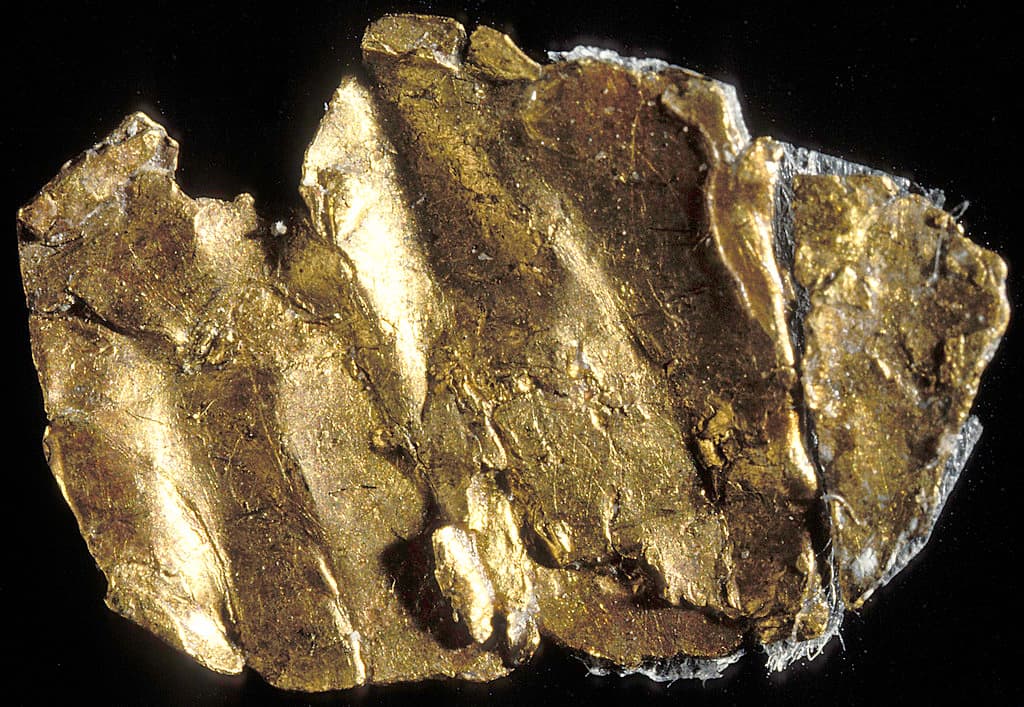
The difference between shilajit and shilajit gold is mostly about added ingredients and branding, not a higher natural grade of the raw material. "Regular" shilajit is purified resin (or capsules, powder, or gummies made from it), while "shilajit gold" usually means that same shilajit blended with extra herbs like ashwagandha, gokshura, kesar (saffron), and sometimes gold bhasma, then sold at a premium. In short, gold is often a formulation, not a purer rock.
That matters because many shoppers assume "gold" describes a top tier of shilajit the way it might grade olive oil or honey. It generally does not. There is no universal industry standard that defines shilajit gold, so the term means whatever each brand wants it to mean.
Bottom line: shilajit gold is typically regular purified shilajit plus added adaptogens or minerals, marketed as a premium blend. It is not automatically more potent or more pure than plain, lab-tested shilajit resin.
Here is a quick side-by-side before we go deeper.
| Feature | Regular shilajit | Shilajit gold |
|---|---|---|
| Core ingredient | Purified shilajit resin or extract | Same shilajit base |
| Added ingredients | Usually none | Often ashwagandha, saffron, gokshura, gold bhasma |
| Standardized grade? | No official grade | No official grade |
| Typical price | Lower | Higher |
| Best for | Anyone wanting the core compound | People who specifically want the added herbs |
Why "Gold" Is a Marketing Word, Not a Grade
Shilajit itself is a tar-like substance that seeps from rocks in high mountain ranges. If you want the background on what it is and how it forms, our explainer on what shilajit actually is and the piece on how shilajit is made walk through the sourcing and purification steps.
There is no global certification that stamps a batch as "gold grade." That is different from how some product categories work. The U.S. Food and Drug Administration regulates supplements as food, not drugs, which means there is no premarket approval that would define grades for you. You can read how that framework works on the FDA supplement page.
So when you see "gold," treat it as a brand's name for a specific recipe. Sometimes it signals a careful, premium blend. Sometimes it is a label on ordinary resin with a higher price. The word alone tells you nothing about purity. To judge that, you look at testing, not the name. Our guide to testing shilajit quality at home and the overview of lab certification explain what real verification looks like.
What Usually Goes Into Shilajit Gold
Most "gold" formulas in the Indian and Ayurvedic market follow a similar pattern. The shilajit base stays, and the brand adds classical rasayana (rejuvenating) herbs. Common additions include:
- Ashwagandha, an adaptogen used for stress and recovery
- Gokshura (Tribulus terrestris), often included for vitality claims
- Kesar (saffron), added in small amounts for mood and prestige
- Swarna bhasma (processed gold), included in trace amounts in some traditional formulas
- Kaunch beej (Mucuna), occasionally added in men's blends
If those ingredients interest you, the herb pairings are worth understanding on their own. We cover the most common one in detail in shilajit and ashwagandha, and we compare the two head to head in shilajit vs ashwagandha. The traditional thinking behind these blends is rooted in Ayurveda, which you can read about in our piece on shilajit's traditional Ayurvedic uses.
A note on gold bhasma: processed metals in traditional medicine are an area where caution pays off. Heavy metal contamination is a documented risk in some Ayurvedic products, which is why third-party testing matters even more when a "gold" formula contains added minerals. The National Center for Complementary and Integrative Health summarizes those concerns on its Ayurvedic medicine overview.
Is Shilajit Gold Actually Better?
It depends entirely on what you want.
If you want the core shilajit compound, which is fulvic acid plus dibenzo-alpha-pyrones and a spread of trace minerals, regular purified resin delivers that without paying for extras you may not need. The active chemistry that most research looks at comes from the shilajit itself, not from the gold branding. You can read what the evidence does and does not support in our complete shilajit benefits guide and the breakdown of shilajit fulvic acid. For a neutral summary of the human research, Examine's shilajit page is a good reference.
If you specifically want the added herbs in one product, a gold blend can be convenient. You get shilajit and, say, ashwagandha in a single dose instead of buying two supplements. That is a real benefit for some people, but it is a convenience and formulation choice, not proof of higher quality.
What gold does not reliably do is make the shilajit purer. Purity comes from sourcing and purification, which we explain in shilajit sourcing standards and pure shilajit. A cheap resin with strong third-party testing can easily beat an expensive "gold" product with no testing at all.
How to Compare Products Without Falling for the Label
Ignore the word on the front and check the same things you would for any shilajit purchase.
Start with testing. Look for a brand that publishes batch results for heavy metals and that states its fulvic acid content. A clearly labeled, lab-verified 20g resin tells you more than any "gold" claim, and the same logic applies to an authenticity-focused Himalayan resin that shows its paperwork.
Next, decide on format. Regular shilajit comes in every form. If you like traditional resin, options like the Herbs Mill Himalayan resin or a purified PakShilajit resin keep things simple. Prefer no mess? A capsule version for easy dosing or shilajit gummies with ashwagandha give you the convenience that some gold blends charge a premium for. Our pages on shilajit resin, shilajit capsules, and shilajit gummies compare the trade-offs.
Then check the herb list. If a gold product adds ashwagandha and you already take ashwagandha separately, you may be paying twice for the same ingredient. A combined shilajit plus ashwagandha formula only makes sense if you actually want both in one place.
Finally, sanity-check the price against the dose. Our shilajit price guide shows typical cost per gram so you can tell whether "gold" is buying you ingredients or just a nicer box. If you are shopping a specific marketplace, the shilajit Amazon guide covers how to read listings carefully.
Where Color Names Like Gold, Silver, and Black Fit In
Sometimes "gold" refers to a color or origin claim rather than an herbal blend. Traditional descriptions sort shilajit by appearance, with darker grades often described as higher quality in folk classification. That overlaps with, but is not the same as, the branded "shilajit gold" supplements above.
We untangle the color terminology in how to choose between gold, silver, and black varieties and in the dedicated shilajit gold page. The short version: color and name claims are not a substitute for lab testing, and a "black" or "gold" label on its own does not guarantee anything about contaminants or fulvic acid content.
Safety: The Same Rules Apply to Both
Whether you choose regular or gold, the safety picture is similar, with one extra wrinkle for gold blends.
Only use purified shilajit. Raw, unprocessed shilajit can contain heavy metals, fungi, and other contaminants, which is why purification and testing are non-negotiable. The general safety overview from the Cleveland Clinic and our own is shilajit safe page cover this in plain terms, and shilajit side effects lists what to watch for.
The extra wrinkle with gold blends is the added ingredients. More herbs means more potential interactions. Ashwagandha, for example, can affect thyroid medication and may not suit people with autoimmune thyroid conditions, and saffron and other additions carry their own cautions.
Who should avoid shilajit (regular or gold) or talk to a clinician first:
- Anyone who is pregnant or breastfeeding, since safety has not been established (see our shilajit and pregnancy safety page)
- People taking medications, especially for blood pressure, diabetes, thyroid, or blood thinning
- People with iron overload conditions like hemochromatosis, because shilajit contains iron
- Children, who were not the subject of the available studies
For a general, brand-neutral look at supplement safety and label reading, the National Institutes of Health Office of Dietary Supplements maintains a helpful consumer fact sheet on dietary supplements. If you want a deeper internal read on dosing and timing once you have chosen a product, see how to take shilajit and our shilajit dosage guide.
Frequently Asked Questions
Q: What is the difference between shilajit and shilajit gold?
Regular shilajit is purified shilajit on its own, sold as resin, capsules, powder, or gummies. Shilajit gold is usually that same shilajit base blended with extra herbs such as ashwagandha, saffron, gokshura, or trace gold, then sold at a higher price. The gold label describes a recipe and branding, not an officially higher grade of the raw material.
Q: Is shilajit gold more potent than regular shilajit?
Not necessarily. The core active compounds come from the shilajit itself, so a well-tested regular resin can match or beat a gold blend for those compounds. Gold products differ mainly because of their added ingredients, not because the shilajit inside is stronger. Purity depends on sourcing and testing, not the name.
Q: Is shilajit gold worth the extra money?
It is worth it only if you specifically want the added herbs and like having them in one product. If you just want shilajit, paying extra for gold branding rarely makes sense, and a lab-tested regular product is usually the better value. Compare cost per gram and check the herb list before deciding.
Q: Does shilajit gold contain real gold?
Some traditional formulas include swarna bhasma, a processed gold preparation, in trace amounts, while many "gold" products use the word only as a brand name with no gold at all. Because added minerals raise contamination concerns, third-party heavy metal testing is especially important for any product claiming to contain gold.
Q: How do I know if a shilajit product is high quality?
Check for third-party lab testing for heavy metals, a stated fulvic acid content, clear sourcing information, and purified (not raw) resin. The color or "gold" label on the front matters far less than the certificate of analysis behind it.
How we research this content
This article was written by Paula Kessler and reviewed against published research and traditional sources by the Clean Shilajit editorial team. Where we reference studies, we link to them so you can read the original.
This content is for education and is not medical advice. It follows our editorial guidelines and is updated as new evidence emerges. Always speak with a qualified healthcare provider before changing your supplement routine.
Ready to Experience Pure Shilajit?
Check out our recommended products and start your wellness journey today.
View Recommended ProductsRelated Articles
Shilajit Gold Benefits: What Gold Grade Resin Really Does
Shilajit gold benefits come from purified, high-grade resin rich in fulvic acid and minerals. Here is what the science supports and what is just marketing.
Shilajit Gold Dosage: How Much to Take Per Day
A practical shilajit gold dosage guide covering how much to take per day, safe ranges, timing, and who should avoid it, with clear safety guidance.
Shilajit Gold Side Effects: Is It Safe Compared to Black Resin?
Shilajit gold side effects are usually mild, but added ingredients and quality matter. See how gold blends compare to plain black resin for safety.