
Shilajit Gold Side Effects: Is It Safe Compared to Black Resin?

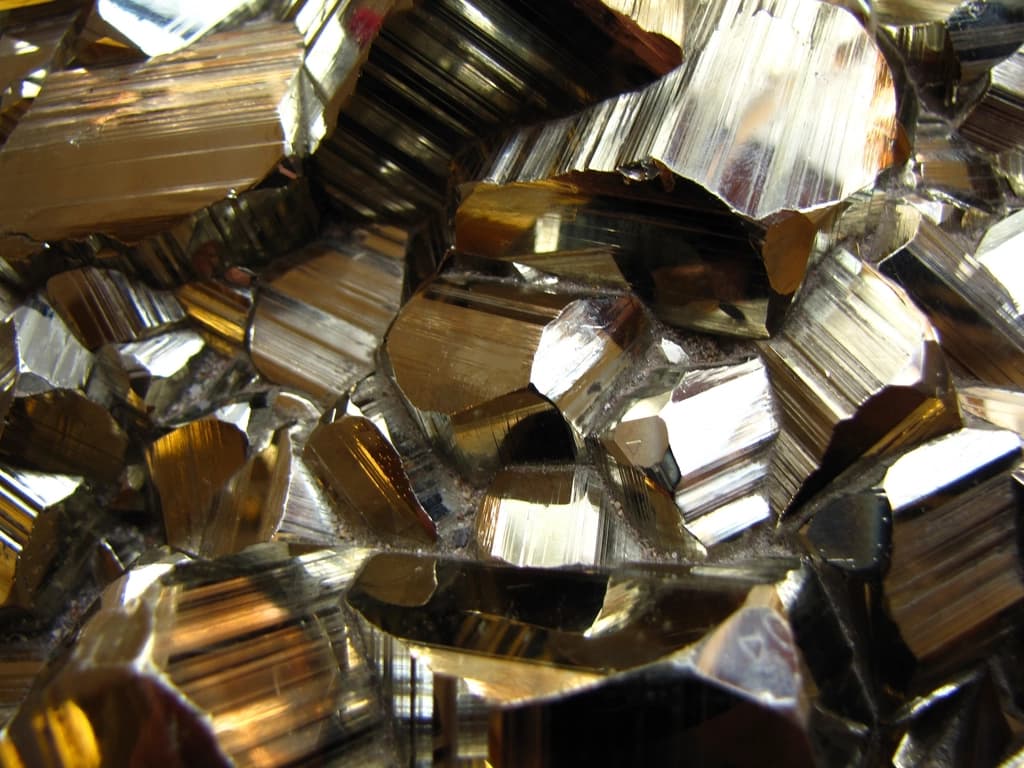
Most people tolerate shilajit gold well, and reported side effects are usually mild: a temporary upset stomach, mild headache, or a slightly metallic taste during the first week. The bigger safety questions with "gold" formulas come from what gets added to them (saffron, gold flakes, extra herbs, or sweeteners) and from product purity, not from shilajit itself. If you have a chronic condition, take prescription medication, or are pregnant, the answer is simpler: talk to your doctor before starting.
This guide breaks down the realistic shilajit gold side effects, how they compare to plain black shilajit resin, who should avoid it, and how to lower your risk with smart dosing and quality checks.
Quick answer: Shilajit gold side effects are typically minor and short-lived (digestive upset, headache, taste), but unpurified or heavily-additive "gold" products carry the real risk, mainly heavy metal contamination and reactions to added botanicals.
What "Shilajit Gold" Actually Is
There is no single legal definition of "gold" shilajit. The label usually means one of three things, and each changes the side effect profile.
- A premium grade of resin marketed as higher in fulvic acid and trace minerals.
- A blend that combines shilajit with other herbs such as saffron, ashwagandha, or safed musli (common in Ayurvedic "gold" tonics).
- A product that literally contains edible gold (gold leaf or gold flakes), often sold as a luxury wellness item.
Because the formula varies, you cannot assume two "gold" products behave the same way. Read the full ingredient panel. If you want a primer on grades, our guide on how to choose between gold, silver, and black varieties walks through the marketing terms versus what matters.
Common Shilajit Gold Side Effects
These are the effects most users notice, and they overlap heavily with plain resin. For context, see our broader breakdown of shilajit side effects.
Digestive changes. Nausea, loose stools, or stomach discomfort are the most frequently reported issues, usually when starting at too high a dose or taking it on an empty stomach. Lowering the amount and taking it with food generally resolves this. Our dosage guide covers sensible starting amounts.
Mild headache or lightheadedness. Some people feel this in the first few days. Staying hydrated helps, since fulvic acid compounds can have a mild diuretic effect.
Increased heart rate or jitteriness. This is more common with "gold" blends that add stimulating adaptogens or caffeine-adjacent ingredients than with the resin alone.
Allergic or skin reactions. Rash, itching, or swelling can occur, especially with blends containing extra botanicals. Stop use if this happens. The U.S. National Institutes of Health Office of Dietary Supplements is a good reference for understanding how supplement reactions are reported.
Taste and aftertaste. A bitter, earthy, or metallic taste is normal for resin. Many people mask it by mixing it into a drink, and our notes on mixing shilajit into coffee, tea, and smoothies can help.
The Real Risk: Contamination and Additives
The side effects that actually matter are not from pure shilajit. They come from poor processing.
Raw, unpurified shilajit can contain heavy metals such as lead, arsenic, and mercury, plus fungal contaminants. Reputable research summarized by PubMed-indexed reviews stresses that shilajit must be purified before use, and that raw material should never be consumed directly. This is the single most important safety point for any color or grade.
"Gold" products carry two extra layers of risk:
- Added gold flakes or leaf. Food-grade gold (labeled E175) is generally considered inert in small amounts, and the FDA regulates which colorings and additives are permitted in food. The concern is whether the gold is genuinely food grade, which cheaper imports may not guarantee.
- Stacked herbs. A blend with ashwagandha, saffron, or other adaptogens multiplies the ways you could react or interact with a medication. If you specifically want that combo, a transparent shilajit and ashwagandha product is easier to evaluate than a vague "gold" mix.
To protect yourself, only buy products with third-party lab testing for heavy metals. Our guide to shilajit lab certification explains what a real certificate of analysis looks like, and how to test shilajit quality covers simple at-home checks.
Shilajit Gold vs Black Resin: Side Effect Comparison
| Factor | Plain black resin | "Gold" blend |
|---|---|---|
| Core side effects | Mild GI, headache, taste | Same core effects |
| Added-ingredient reactions | Low (single ingredient) | Higher (more botanicals) |
| Interaction complexity | Simpler to assess | Harder to assess |
| Contamination risk | Depends on purity | Depends on purity plus additive sourcing |
| Price | Lower | Usually higher |
The takeaway: a well-tested black resin is the easiest product to reason about for safety. A "gold" blend is not inherently dangerous, but it asks you to trust more ingredients and a more complex supply chain. If simplicity matters to you, a verified resin like the lab-focused NATURAL SHILAJIT 20g DBP-verified resin or a purified option such as PakShilajit purified Himalayan resin keeps your variables low.
For a deeper look at the premium category itself, see our dedicated shilajit gold overview.
Who Should Avoid Shilajit Gold
Some groups should not use it, or should only use it with medical supervision. This holds for every grade, not just gold.
- Pregnant or breastfeeding people. There is not enough safety data, and unpurified products are a real risk. See our shilajit for pregnancy safety page; the short version is to avoid it.
- People with iron overload (hemochromatosis). Shilajit contains iron and can raise levels. The Cleveland Clinic has accessible explanations of why excess iron is a concern.
- People on blood pressure, diabetes, or blood-thinning medication. Shilajit may affect blood sugar and blood pressure. If you are exploring it for metabolic reasons, read shilajit for diabetes type 2 and still clear it with your prescriber.
- People with gout or high uric acid. Trace mineral content may be a factor for some, so monitor symptoms.
- Anyone with a known allergy to any ingredient in a blend.
If you want a single reference on overall safety, our is shilajit safe guide consolidates the evidence and the cautions.
How to Reduce Your Risk
You can lower the odds of side effects with a few habits.
Start low. A small dose, often around a rice-grain to pea-sized amount of resin, lets you gauge tolerance before scaling up. Build slowly over one to two weeks.
Take it with food and water early on. This blunts most digestive complaints and the mild diuretic effect.
Cycle it. Many users take breaks rather than dosing year-round; our shilajit cycling protocol explains why and how. Timing also matters, which we cover in best time to take shilajit.
Buy tested products only. Independent science explainers like Examine and Healthline both emphasize purity and third-party testing over marketing claims. If a "gold" product cannot show a lab report, treat that as a red flag.
If convenience matters more than a premium label, standardized formats often have more consistent dosing than a luxury resin. A capsule such as Himalayan Pure Extract capsules or a measured gummy like these shilajit gummies with ashwagandha remove the guesswork of eyeballing resin. For a balanced mid-range resin, many readers like the straightforward BetterAlt Himalayan resin. Compare formats in our capsules guide and resin guide.
When to Stop and See a Doctor
Stop using any shilajit product and seek care if you notice signs of an allergic reaction (hives, swelling, trouble breathing), persistent stomach pain, unusual fatigue, or any symptom that does not fade after you stop. For general guidance on supplement safety, the Mayo Clinic is a reliable starting point.
Side effects that linger after discontinuing are not normal and deserve medical attention. Do not push through them in the hope that your body will adjust.
The Bottom Line
Shilajit gold is not meaningfully more dangerous than black resin on its own. The mild side effects (digestion, headache, taste) are the same. What changes with "gold" is the number of extra ingredients and the importance of verifying that any added gold and any contamination testing are legitimate. Choose a transparent, lab-tested product, start with a small dose, and avoid it entirely if you are pregnant or managing a condition without your doctor's input. For the full picture of upsides and trade-offs, our complete benefits guide and what is shilajit explainer round out the topic.
Frequently Asked Questions
Q: Does shilajit gold have more side effects than black shilajit?
Not from the shilajit itself. The core side effects (mild digestive upset, headache, and taste) are the same. Gold blends can cause more reactions because they often add other herbs, sweeteners, or gold flakes, which means more ingredients that could trigger a problem or interact with medication.
Q: Is the gold in shilajit gold safe to eat?
Food-grade gold (E175) is generally treated as inert in the tiny amounts used and is a regulated food additive. The concern is whether a given product uses genuine food-grade gold, which budget imports may not guarantee. Buy from brands that disclose sourcing and provide testing.
Q: How long do shilajit gold side effects last?
Most mild effects fade within the first one to two weeks as your body adjusts, or improve immediately when you lower the dose and take it with food. If a side effect persists after you stop using the product, that is not normal and you should see a doctor.
Q: Who should not take shilajit gold?
Pregnant or breastfeeding people, anyone with iron overload (hemochromatosis), and people on blood pressure, diabetes, or blood-thinning medication should avoid it or only use it under medical supervision. Anyone allergic to an ingredient in a blend should also avoid it.
Q: How do I avoid the worst shilajit gold side effects?
Only buy products with third-party heavy-metal testing, start with a small dose, take it with food and water, and skip vague "gold" blends that hide their full ingredient list. A simple, tested black resin is the easiest product to use safely.
How we research this content
This article was written by Paula Kessler and reviewed against published research and traditional sources by the Clean Shilajit editorial team. Where we reference studies, we link to them so you can read the original.
This content is for education and is not medical advice. It follows our editorial guidelines and is updated as new evidence emerges. Always speak with a qualified healthcare provider before changing your supplement routine.
Ready to Experience Pure Shilajit?
Check out our recommended products and start your wellness journey today.
View Recommended ProductsRelated Articles
Shilajit Gold Dosage: How Much to Take Per Day
A practical shilajit gold dosage guide covering how much to take per day, safe ranges, timing, and who should avoid it, with clear safety guidance.
Shilajit Gold Benefits: What Gold Grade Resin Really Does
Shilajit gold benefits come from purified, high-grade resin rich in fulvic acid and minerals. Here is what the science supports and what is just marketing.
Shilajit Gold vs Regular Shilajit: What Actually Differs
The difference between shilajit and shilajit gold is mostly added ingredients and price, not a separate grade. Here is what the gold label really means.