
How to Read a Shilajit Label: What Ingredients to Look For

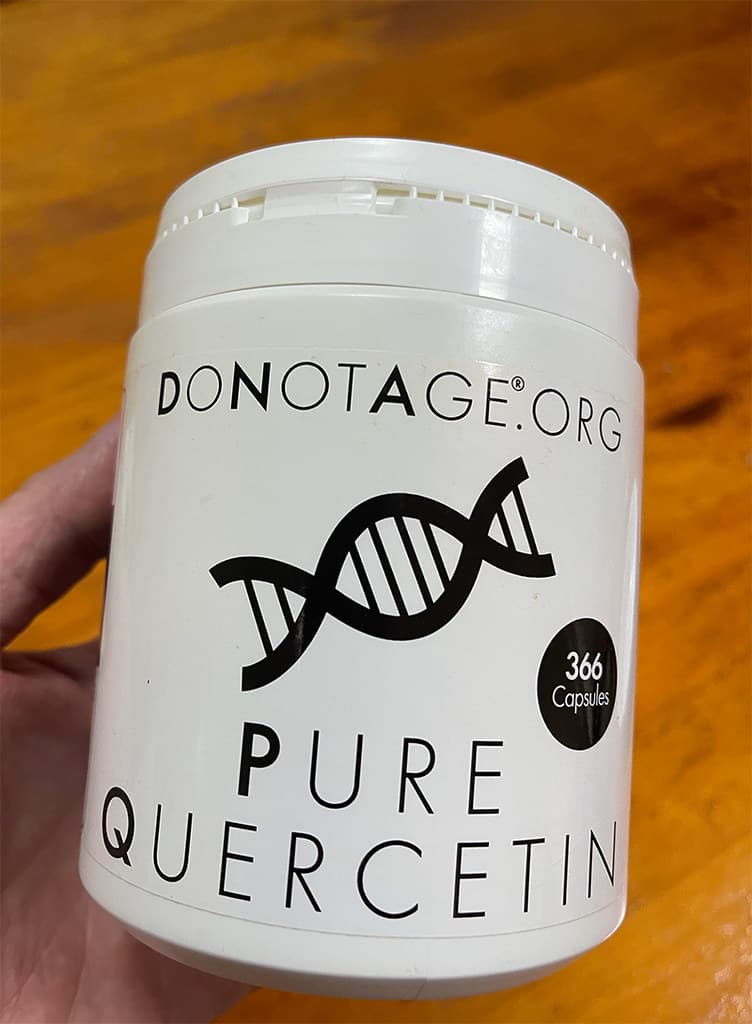
When you read shilajit label ingredients, you want one thing first: a short, honest ingredient list. A genuine resin should say something close to "100% purified shilajit" with nothing else, while a capsule or gummy will list a few extras like a bulking agent or sweetener. The label should also state a fulvic acid percentage, name the mineral content, and point to third-party lab testing.
Most problems start when the list gets long and vague. Words like "proprietary blend," "shilajit extract powder," or "herbal complex" can hide cheap fillers, leucite rock dust, or a tiny dose of real shilajit padded out with starch. The rest of this guide walks you through each line on the label, in order, so you can tell a clean product from a marketing costume.
The fastest way to read a shilajit label: confirm the ingredient list is short and names "purified shilajit" first, look for a stated fulvic acid percentage (often 50% to 80% for quality resin), and verify a batch number tied to third-party heavy-metal testing.
Start With the Ingredient List
The ingredient list is the most honest part of any label because supplement makers are required to list what is actually in the product. Read it before you read the marketing headline.
For pure resin, the ideal list is one item:
- Purified Himalayan Shilajit (or Altai/Gilgit shilajit), 100%
That is it. A clean resin like PakShilajit Himalayan Purified resin should not need a paragraph of extras. If the list runs five or six lines for a "pure" resin, the word pure is doing a lot of lifting. For more on what genuine resin should contain, see our breakdown of shilajit resin and the full shilajit ingredients overview.
Capsules, gummies, and liquids are different. They legitimately need a few helpers to hold a shape or stay shelf-stable, so a short list of recognizable extras is normal. The trick is knowing which extras are fine and which are red flags.
Where Is the Active Ingredient Listed?
Ingredients are listed in descending order by weight, so shilajit should appear at or near the top. If you see "rice flour" or "maltodextrin" listed first and shilajit buried near the bottom, you are mostly paying for filler.
This matters most with powders and capsules, where it is easy to dilute. A reputable capsule such as Himalayan Pure Extract Capsules will state the shilajit extract amount in milligrams per serving, not just "contains shilajit." Compare that number against our shilajit dosage guidance so you know if a serving actually delivers a meaningful amount. The differences between formats are covered in our guides to shilajit capsules and shilajit powder.
Check the Fulvic Acid Percentage
Fulvic acid is one of the signature compounds in shilajit, and a stated percentage is a sign the brand actually tested the product. Quality resin commonly lists fulvic acid somewhere in the 50% to 80% range, though numbers vary by source and testing method.
Be careful with the wording. Some labels quote "fulvic and humic acids combined," which inflates the figure, while others quote fulvic acid alone. A vague claim like "rich in fulvic acid" with no number is marketing, not data. You can read more about why this compound matters in our shilajit fulvic acid explainer, and the National Institutes of Health Office of Dietary Supplements is a good neutral reference for how supplement claims should be supported.
If a percentage seems implausibly high (95% or more), treat it as a flag rather than a feature. Independent reviewers like Examine note that shilajit research is still developing, so wildly precise claims deserve a skeptical eye.
Read the Mineral and Trace Element Claims
Shilajit is valued partly for its trace minerals, and many labels advertise "84+ minerals" or similar. A real product does carry a spread of minerals, but the headline number alone tells you nothing about quality or dose.
What you actually want is a label or linked report that names key elements and confirms the dangerous ones are low. Shilajit forms in rock over a very long time and can concentrate the same heavy metals found in its environment, which is why testing is non-negotiable. Our shilajit minerals and shilajit vitamins and nutrition guides explain which elements are genuinely useful versus which are just listed for show.
For the safety side, the U.S. FDA dietary supplement overview explains that supplements are not pre-approved, so the burden of proof sits with the brand and, by extension, with you.
Spot the Fillers and Red-Flag Words
This is where most low-quality products give themselves away. Scan the ingredient list for words that add bulk or mask a low shilajit dose.
| Term on label | What it often means |
|---|---|
| Proprietary blend | Hides how little shilajit is actually inside |
| Maltodextrin / rice flour first | Mostly filler, minimal active ingredient |
| "Shilajit-based complex" | Vague; could be a trace amount |
| No fulvic acid percentage | Likely untested or low quality |
| No batch number | No way to verify lab results |
A short, named list is a good sign. For example, a combination product like Be Bodywise Shilajit + Ashwagandha openly lists its two adaptogens, which is honest because it tells you exactly what you are getting. That is different from a "blend" that refuses to break down the amounts. If you are weighing add-ins, our shilajit and ashwagandha comparison covers when a combo makes sense.
Gummies and honey sticks naturally include sweeteners, so do not panic at the sight of sugar. Just check that shilajit is a named, dosed ingredient and not an afterthought. Our guides to shilajit gummies and shilajit honey sticks explain reasonable expectations for those formats, and sugar-free options show it can be done without piling on sweetener.
Look for Testing, Batch Numbers, and Origin
A trustworthy label gives you a way to verify the claims. Three things make that possible: a batch or lot number, a statement of third-party testing, and a clear sourcing origin.
Third-party testing means an independent lab (not the brand) checked the product for heavy metals like lead, arsenic, mercury, and cadmium. Products that lean on this, such as a DBP-verified 20g lab-tested shilajit, usually make it easy to find the report. Our shilajit lab certification and how to test shilajit quality guides walk through what a real report shows.
Origin matters too. Most quality resin comes from high-altitude regions like the Himalayas, Gilgit, or the Altai mountains. A clearly stated source is more reassuring than "premium mountain blend." Read our shilajit sourcing standards and pure shilajit pages for what genuine sourcing looks like.
If a label lists none of these (no batch, no testing, no clear origin), there is no way to confirm anything it claims. That alone is reason to keep looking.
Match the Label to the Format You Want
Different formats carry different "normal" ingredient lists, so judge a product against its own category, not against pure resin.
Resin should be nearly single-ingredient. Capsules add a vegetable capsule shell and sometimes a flow agent. Liquids include water or a carrier and a preservative. Gummies include pectin or gelatin, a sweetener, and flavoring. A liquid like Himalayan Shilajit Liquid Drops is doing its job if shilajit is named and dosed, even though it lists a carrier. To pick the right format for you, compare options in our shilajit supplement guide and the ultimate shilajit buying guide for 2026.
It also helps to know what you are looking for in the first place. If you are new to the supplement, start with what is shilajit so the label terms make sense.
A Quick Pre-Purchase Label Checklist
Before you add anything to cart, run through this fast:
- Is the ingredient list short and does shilajit appear first?
- Is there a fulvic acid percentage, stated clearly (not "fulvic and humic combined")?
- Does it name an origin region rather than a vague "premium" claim?
- Is there a batch number and a third-party heavy-metal test you can access?
- For capsules, gummies, and liquids, is the shilajit amount listed in milligrams?
If a product clears all five, you are in good shape. A premium pick like HealthForce Shilajit Supreme tends to hit these marks, but the checklist matters more than the brand name. Whatever you choose, store it correctly afterward using our how to store shilajit tips so the product you vetted stays good.
Safety and Who Should Be Cautious
Reading a label well does not replace medical judgment. Shilajit can interact with medications and is not right for everyone.
Pregnant and breastfeeding people should avoid shilajit, since safety has not been established for them. People with iron-related conditions like hemochromatosis should be cautious because shilajit contains iron. Anyone taking blood pressure, diabetes, or blood-thinning medication should talk to a clinician first, because shilajit may affect those systems. If you have gout or high uric acid, raise it with your doctor as well.
For general guidance on supplement safety, the Cleveland Clinic and Mayo Clinic are solid plain-language references, and Healthline has an accessible overview of shilajit specifically. Our own is shilajit safe and shilajit side effects pages go deeper. When in doubt, a clean label plus a doctor's sign-off beats a flashy label every time.
Frequently Asked Questions
Q: What should a pure shilajit label list as ingredients?
A genuinely pure resin should list a single ingredient, something like "100% purified Himalayan shilajit," with no fillers, binders, or proprietary blends. Capsules, gummies, and liquids will list a few extras, but shilajit should still appear first and be dosed in milligrams.
Q: What fulvic acid percentage is good on a shilajit label?
Quality resin often states fulvic acid somewhere in the 50% to 80% range, though the figure varies by source and testing method. Be wary of vague "rich in fulvic acid" claims with no number, and of figures over 95%, which can be exaggerated or combine fulvic and humic acids.
Q: Are fillers in shilajit always bad?
Not always. Capsules need a shell, and gummies need pectin and sweetener, which is normal for those formats. Fillers become a problem when bulking agents like maltodextrin or rice flour are listed first, meaning the product is mostly filler with very little actual shilajit.
Q: How do I know if the label's claims are real?
Look for a batch or lot number, a statement of third-party testing, and a clear sourcing origin. Those three let you verify heavy-metal safety and authenticity. A label with no batch number and no accessible lab report gives you no way to confirm anything it advertises.
Q: Does "84+ minerals" on a label mean it is high quality?
Not by itself. The mineral count is a marketing headline, not a quality measure. What matters is whether dangerous heavy metals are confirmed low through testing and whether the useful minerals are present in meaningful amounts, which only a lab report can show.
How we research this content
This article was written by Paula Kessler and reviewed against published research and traditional sources by the Clean Shilajit editorial team. Where we reference studies, we link to them so you can read the original.
This content is for education and is not medical advice. It follows our editorial guidelines and is updated as new evidence emerges. Always speak with a qualified healthcare provider before changing your supplement routine.
Ready to Experience Pure Shilajit?
Check out our recommended products and start your wellness journey today.
View Recommended ProductsRelated Articles
What Is the Purest Form of Shilajit? A Quality Ranking
What is the purest form of shilajit? A clear quality ranking of resin, powder, capsules, and gummies, plus how to verify purity before you buy anything.
Do Shilajit Gummies Really Work? An Evidence-Based Answer
Do shilajit gummies really work? Sometimes. Learn how dose, fulvic acid content, and added sugar affect whether shilajit gummies actually deliver benefits.
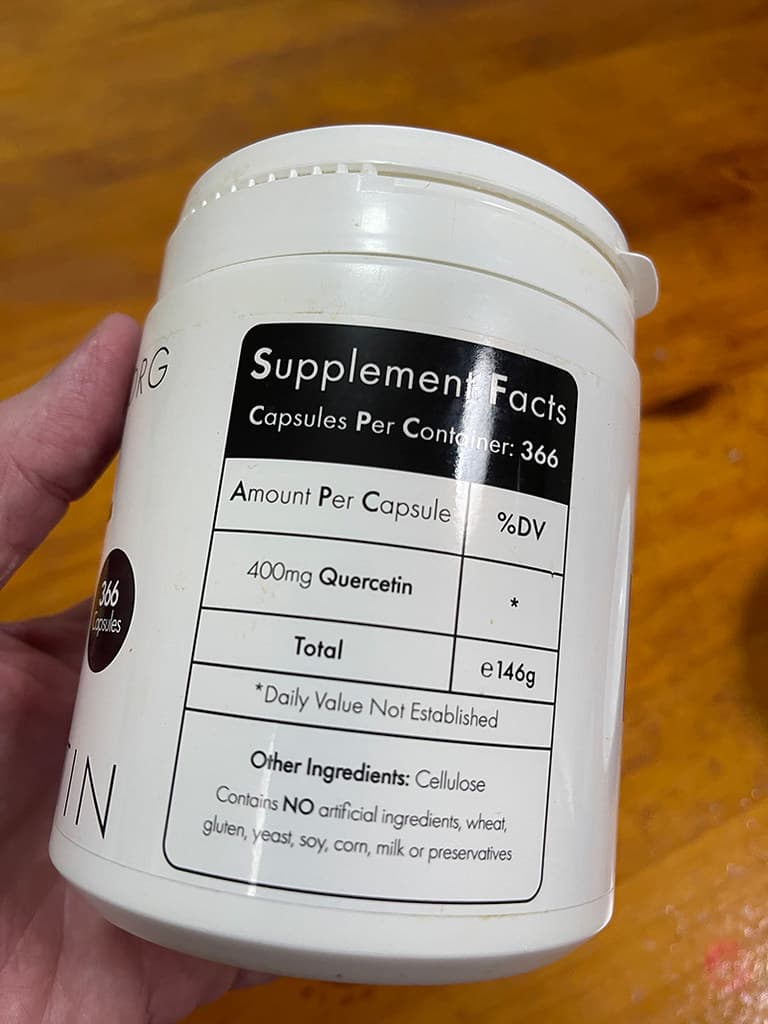
Shilajit 6:1 Extract Explained: What the Ratio Really Means
Confused about shilajit 6:1 extract and how much to take? Here is what the ratio means, typical doses, and how it compares to raw resin and capsules.