
Shilajit 6:1 Extract Explained: What the Ratio Really Means

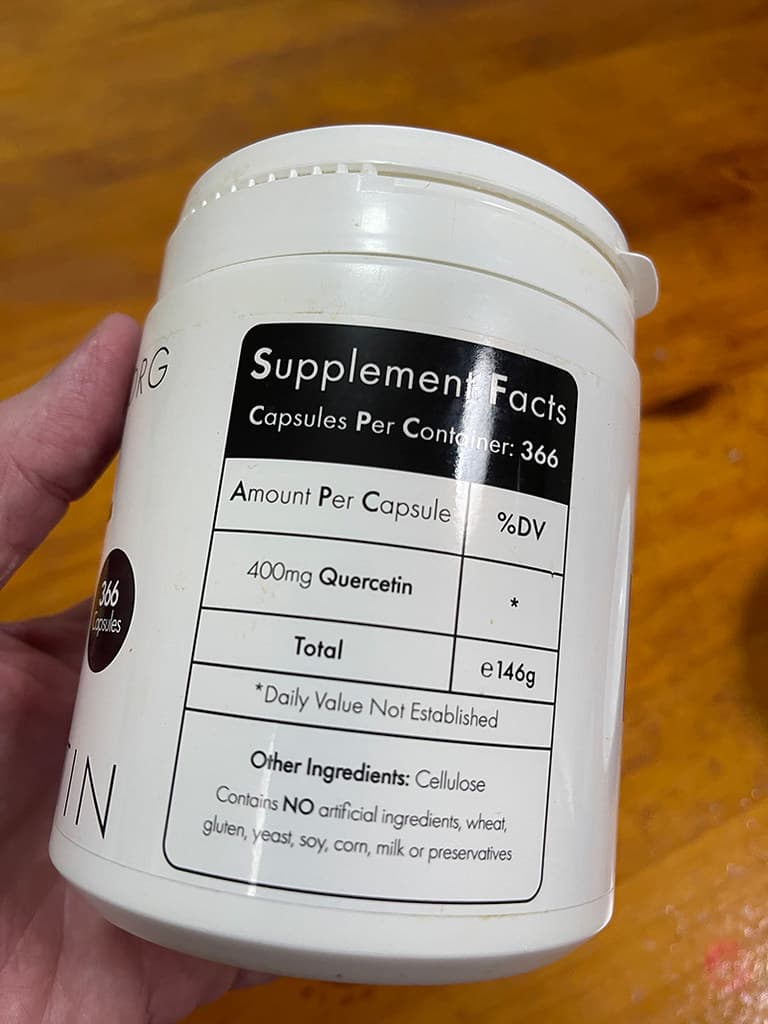
If you bought a product labeled "shilajit 6:1 extract" and you are wondering how much to take, here is the short version. A 6:1 extract is concentrated, so the practical dose is usually smaller than raw resin: most people start with roughly 150 to 300 mg of a 6:1 extract once daily, taken with food and water, and adjust from there. Always follow the dose printed on your specific label, because concentration and serving sizes vary between brands.
The "6:1" part simply describes how much raw material went into making the finished extract. It does not automatically mean the product is six times stronger in every way, and it does not replace the need to check third-party testing. Below, you will see what the ratio actually represents, why dosing differs from plain resin, and how to use a concentrated extract safely.
What "6:1 extract" actually means
A 6:1 ratio means that, in theory, six parts of starting raw material were processed down into one part of finished extract. So 6 kg of crude shilajit becomes about 1 kg of extract. This is a standard way to label botanical and herbal concentrates, not something unique to shilajit.
The ratio tells you about concentration of the whole extract, not the level of any single compound. Two 6:1 extracts can still differ in fulvic acid content, mineral profile, and purity depending on the source material and the extraction method. If you want the deeper mechanics of how raw shilajit is purified and turned into a finished product, the walkthrough in how shilajit is made covers each step.
Quick reference: what the ratio implies (and what it does not).
| The ratio tells you | The ratio does NOT tell you |
|---|---|
| Roughly how concentrated the extract is | Exact fulvic acid percentage |
| That the dose is usually smaller than raw resin | That it is automatically "better" |
| The starting raw-to-finished material amount | Whether it was lab tested for heavy metals |
Because the number alone cannot confirm purity, you still want a lab certification or certificate of analysis. Concentrating a poor-quality starting material just concentrates the problems too, including heavy metals, which is why testing matters more than any marketing ratio.
Shilajit 6:1 extract: how much to take
Start low and go slow. A common starting point for a 6:1 extract is about 150 to 300 mg once a day, ideally in the morning with breakfast. Some standardized capsule products land in this range per serving, and the label will state the exact amount.
Here is a simple way to think about it:
- Beginners: start at the low end (around 150 mg) for the first one to two weeks.
- Maintenance: many people settle around 250 to 500 mg of a concentrated extract daily.
- Ceiling: there is no official upper limit for shilajit, so do not stack doses to chase faster results.
These are general ranges, not medical advice. For a broader look at numbers across every product form, the shilajit dosage guide breaks down resin, powder, and capsules side by side, and the more focused how to take shilajit page covers timing and routine.
Why is the extract dose lower than resin? A typical raw resin serving is often quoted around a pea-sized amount (a few hundred milligrams). Because a 6:1 extract is concentrated, the same effect can come from a smaller amount of powder or capsule. The U.S. National Institutes of Health Office of Dietary Supplements notes that supplement potency and labeling vary widely, so reading your specific supplement facts panel is essential rather than copying a dose from another product.
Extract vs resin vs capsules
The 6:1 extract is a format choice, and it competes with two familiar forms: sticky resin and pre-measured capsules. Each has trade-offs.
Resin
Raw shilajit resin is the least processed common form. You dissolve a small amount in warm water or milk. It is flexible for dose-tweaking but messy and harder to measure precisely. Quality resin options people often compare include the purified PakShilajit Himalayan resin and the everyday Herbs Mill Himalayan resin for general use.
Concentrated extract (often 6:1)
A standardized extract aims for consistency from serving to serving, which is hard to get with hand-measured resin. Products like the Himalayan Pure Extract capsules package a concentrated extract into a fixed dose. If absorption is your priority, a formula such as Root Labs ShilAbsorb markets enhanced bioavailability. For more on this category overall, see the shilajit extract overview.
Capsules
Shilajit capsules are the most convenient and the most consistent for dosing, since each one holds a measured amount. The downside is you cannot fine-tune the dose mid-capsule. A cognitive-focused option some readers consider is Essencraft Shilajit for brain support, though benefit claims should be weighed against the evidence below.
If you are still deciding between formats generally, the powder format guide and the liquid drops walkthrough can help you match a format to your routine.
Does the concentration change the benefits?
A higher ratio can mean a smaller, more convenient dose, but it does not invent benefits the herb does not have. Shilajit's most discussed active components are fulvic acid and its mineral content. You can read more about fulvic acid and the minerals it carries.
The honest state of the science: human research on shilajit is still limited and many studies are small. There is preliminary work on energy, male fertility markers, and antioxidant activity, but the evidence base is far from settled. Independent reviewers like Examine summarize shilajit research without overpromising, and you can search the primary literature yourself on PubMed. General overviews are also available from Healthline and Cleveland Clinic. For a balanced look at what is and is not proven, our own does shilajit work explainer keeps claims grounded.
Some traditional Ayurvedic uses position shilajit as a rasayana, or rejuvenating tonic, which you can read about in shilajit traditional Ayurvedic uses. Tradition is context, not proof, so treat modern marketing claims with the same caution regardless of the extract ratio.
How to take a 6:1 extract through the day
Timing is flexible. Many people prefer mornings because shilajit is often used for steady energy rather than sleep. If you are unsure, the best time to take shilajit breakdown compares morning versus night.
You can take a powdered extract in warm water, or mix it into a drink. Our guide on how to mix shilajit into coffee, tea, and smoothies and the dedicated coffee recipes and protocols post show practical ways to make a concentrated extract more palatable. Pairing it with food can also reduce the chance of stomach upset.
Many users also run a cycling protocol, taking periodic breaks rather than using it nonstop. There is no strong evidence that this is required, but it is a reasonable, conservative habit.
Safety, side effects, and who should avoid it
Shilajit is generally well tolerated by healthy adults at sensible doses, but a concentrated extract is not risk-free, and concentration is exactly why label-reading matters. Possible side effects include digestive upset, and unpurified or contaminated products can contain heavy metals. The shilajit side effects page and the broader is shilajit safe guide go into detail.
Avoid or get medical clearance first if you:
- Are pregnant or breastfeeding. See shilajit for pregnancy safety and discuss it with your clinician before use.
- Take medications, especially for blood pressure, diabetes, or blood thinning. Talk to a pharmacist or doctor.
- Have a condition affected by iron levels, such as hemochromatosis, since shilajit contains iron.
- Have gout or active kidney issues, which warrant professional guidance.
Choose products that publish independent testing for heavy metals. The U.S. Food and Drug Administration does not approve supplements before sale, so its dietary supplement information explains why third-party verification falls on you. A lab-verified option like the DBP-verified Natural Shilajit is the kind of transparency to look for, and our how to test shilajit quality guide shows simple at-home checks. Specific potency figures for any single brand should be confirmed on its current certificate of analysis.
Frequently Asked Questions
Q: Shilajit 6:1 extract: how much should I take per day?
Most people start with about 150 to 300 mg of a 6:1 extract once daily, taken with food, and adjust within the range printed on the label. Concentrated extracts generally need a smaller dose than raw resin, but always follow your specific product's serving size rather than a generic number.
Q: Is a 6:1 extract stronger than resin?
It is more concentrated by weight, so you typically take less of it for a comparable serving. That does not automatically make it higher quality. A concentrated extract from poor source material can still carry contaminants, so testing and purity matter more than the ratio.
Q: What does the 6:1 ratio mean exactly?
It means roughly six parts of raw starting material were processed down into one part of finished extract. The number describes concentration, not the precise level of fulvic acid, minerals, or any guarantee of purity.
Q: Can I switch from resin to a 6:1 extract?
Yes, but recalculate your dose. Because the extract is concentrated, you usually need a smaller amount than your resin serving. Start at the low end of the label range, see how you feel for a week or two, then adjust.
Q: Who should avoid concentrated shilajit extract?
Pregnant or breastfeeding people, anyone on blood pressure, diabetes, or blood-thinning medication, and people with iron-overload conditions like hemochromatosis should avoid it or speak with a healthcare provider first. When in doubt, get personalized medical advice before starting.
How we research this content
This article was written by Paula Kessler and reviewed against published research and traditional sources by the Clean Shilajit editorial team. Where we reference studies, we link to them so you can read the original.
This content is for education and is not medical advice. It follows our editorial guidelines and is updated as new evidence emerges. Always speak with a qualified healthcare provider before changing your supplement routine.
Ready to Experience Pure Shilajit?
Check out our recommended products and start your wellness journey today.
View Recommended ProductsRelated Articles
Shilajit Gummies vs Resin: Are Gummies Actually Effective?
Shilajit gummies vs resin: gummies are easier to take but usually weaker and full of sugar. Here is how the two forms really compare on dose, purity, and value.
Do Shilajit Gummies Really Work? An Evidence-Based Answer
Do shilajit gummies really work? Sometimes. Learn how dose, fulvic acid content, and added sugar affect whether shilajit gummies actually deliver benefits.
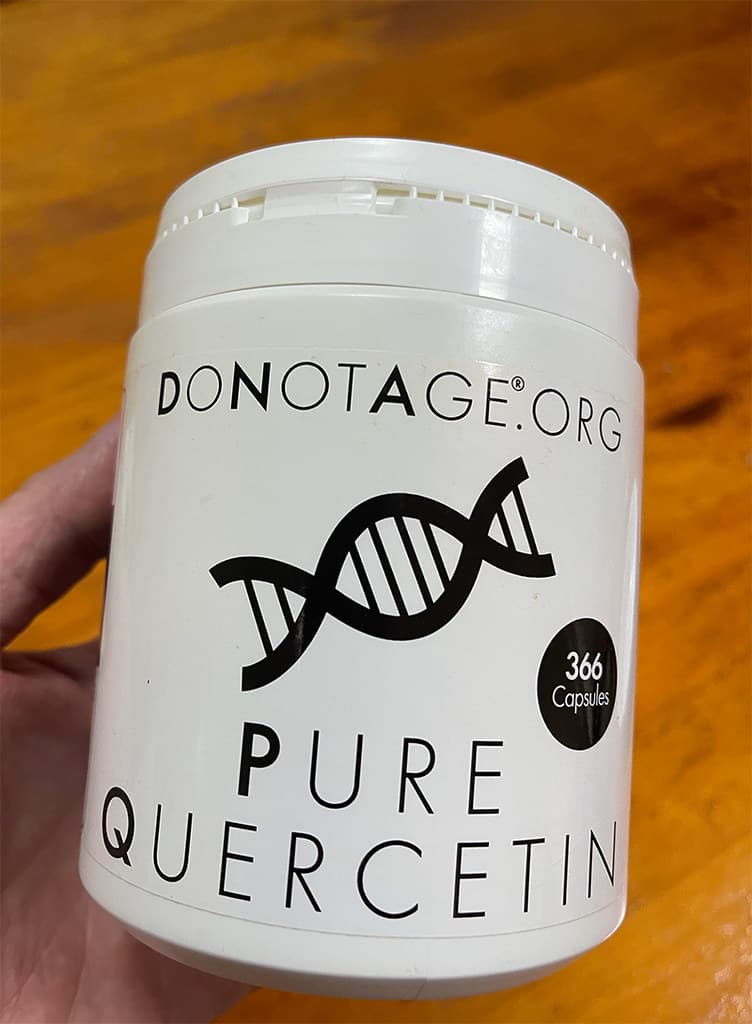
How to Read a Shilajit Label: What Ingredients to Look For
Learn how to read shilajit label ingredients, spot fillers and fake purity claims, and confirm fulvic acid, minerals, and third-party testing before you buy.