
Shilajit Gummies vs Resin: Are Gummies Actually Effective?

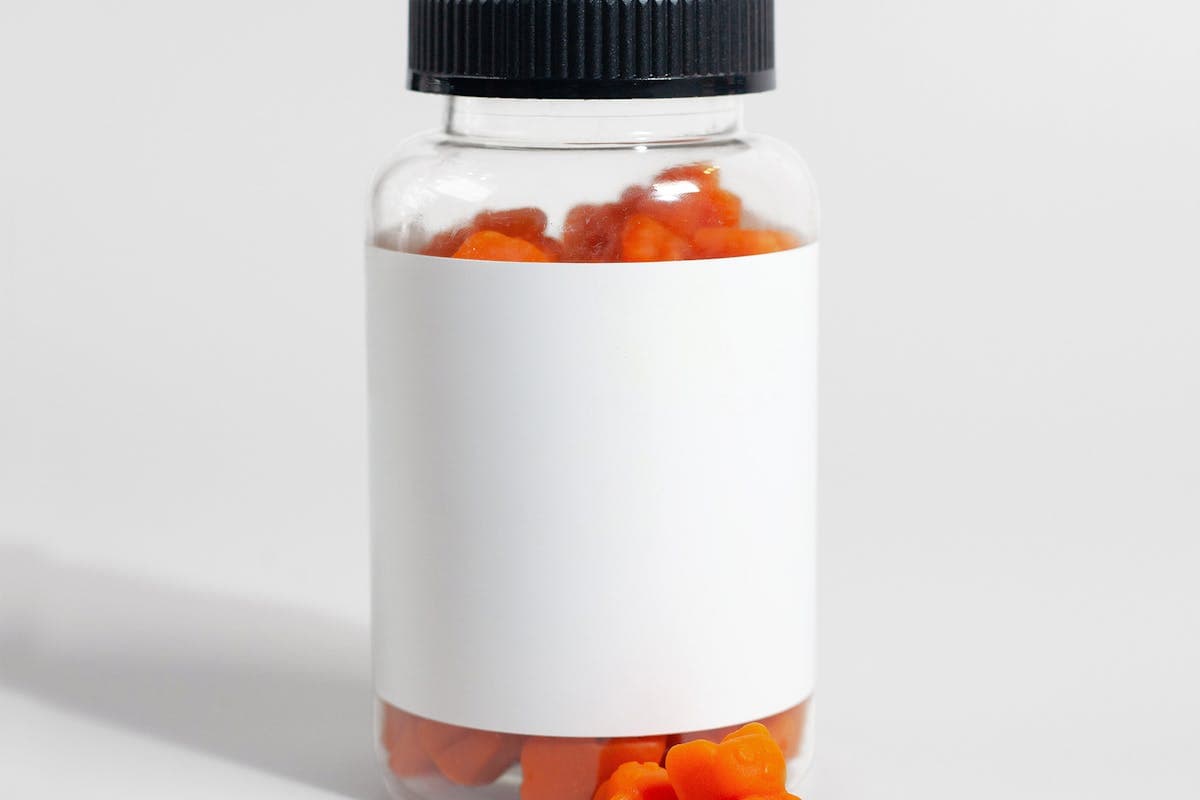
In the shilajit gummies vs resin debate, resin wins on potency, purity, and value, while gummies win on convenience and taste. A quality resin is the least processed form, easy to lab-test for heavy metals, and delivers a meaningful dose of fulvic acid and minerals. Most gummies carry a much smaller dose, dilute the active material with sugar and gelatin, and are harder to verify.
That does not make gummies useless. If a sticky, bitter resin is the only thing standing between you and actually taking shilajit, a clean, well-dosed gummy you use daily beats a jar of resin sitting untouched in a drawer. Below you will see exactly how the two forms compare on dose, absorption, additives, cost, and safety, plus who should pick which.
Short answer: choose resin if you want maximum potency, purity verification, and the best cost per dose. Choose gummies only if convenience is the deciding factor and you accept a smaller, sugar-bound dose.
Quick Comparison Table
Here is the head to head before we get into the details. Treat this as a starting point, because product quality varies far more than format does.
| Factor | Resin | Gummies |
|---|---|---|
| Typical dose per serving | 300 to 500 mg | Often 100 to 300 mg |
| Active form | Concentrated, minimally processed | Diluted with sugar, pectin or gelatin |
| Added sugar | None | Usually 2 to 4 g per serving |
| Heavy-metal testing | Common on quality brands | Less common, harder to verify |
| Taste | Bitter, earthy | Sweet, masked |
| Cost per effective dose | Lower | Higher |
| Travel and dosing ease | Messy, needs a scale | Very easy, pre-measured |
If you only remember one thing: format is a convenience choice, but purity and dosing are the things that decide whether shilajit does anything at all.
What Shilajit Actually Is (and Why Form Matters)
Shilajit is a sticky, tar-like substance that seeps from rocks in high mountain ranges, mainly the Himalayas and the Altai. It is rich in fulvic acid, humic compounds, and trace minerals, and it has a long history in Ayurvedic medicine. If you want the full background, our what is shilajit primer and the explainer on how shilajit is made walk through the geology and processing.
The active components people care about are fulvic acid and the broader mineral profile. Research on shilajit is still early and most human trials are small, but reviews indexed on PubMed describe it as a source of fulvic acid with antioxidant activity. The National Center for Complementary and Integrative Health and other sources note that quality and contamination are real concerns with raw material, which is exactly why form matters.
Here is the key point. Form is not just packaging. It changes how much actual shilajit you get, how easy that material is to test, and how much filler rides along. A gummy is a delivery vehicle, and the vehicle is mostly sugar and a gelling agent.
How Resin Works as a Form
Shilajit resin is the closest thing to the raw, purified material. Good producers purify it to remove debris and reduce heavy metals, then sell it as a thick paste you measure with a small scale or a pre-marked spoon.
The upside is concentration. A typical serving of around 300 to 500 mg is dense, undiluted material, which is why resin tends to track most closely with the products used in published studies. If you want a deeper look at dosing, the shilajit dosage guide breaks down ranges and timing, and the best time to take shilajit article covers morning versus night.
Quality resins are also the easiest format to verify. Reputable brands publish lab certification and follow sourcing standards you can actually check. A clean example in this space is the Herbs Mill Himalayan Shilajit Essential resin, which leans on traceable Himalayan sourcing. For buyers who put lab verification first, the DBP-verified NATURAL SHILAJIT is worth comparing.
The downsides are real, though. Resin is messy, it tastes strongly bitter and earthy, and you have to dose it yourself. If you travel a lot or hate the taste, that friction can sink your consistency. There are workarounds, like the methods in our guide to mixing resin into coffee, tea, and smoothies.
How Gummies Work as a Form
Shilajit gummies take a shilajit extract, often a dried powder, and bind it into a chewable made of sugar or a sugar substitute plus pectin or gelatin. The appeal is obvious. They taste good, they are pre-dosed, and you can take one anywhere without a scale or a sticky jar.
The catch is what gets diluted. To make a gummy palatable, manufacturers add sweeteners and gelling agents, which means the actual shilajit per piece is often lower than a resin serving. Some gummies pair shilajit with other ingredients, like the shilajit gummies with ashwagandha for buyers who want a combined adaptogen format. That can be useful if you specifically want both, and you can read more in our piece on shilajit and ashwagandha.
Sugar is the part people overlook. A couple of grams per serving may not sound like much, but it adds up if you chew several a day, and it is a poor fit for anyone tracking carbs. The American sugar guidance summarized by Healthline and clinical resources like Cleveland Clinic is to keep added sugar low, so a daily sugary supplement is a small but real trade-off. If low sugar matters, a keto and fasting compatible approach usually points back toward resin or capsules.
Transparency is the other issue. Because the shilajit is already blended into a sweet matrix, it is harder to confirm exactly how much active material and fulvic acid you get, and third-party testing is less common on gummies than on premium resin. That does not mean every gummy is weak, but it does mean you have to read labels carefully.
Honesty Section: Are Gummies Actually Effective?
Yes, a good shilajit gummy can be effective, but with two honest caveats.
First, dose. If a gummy delivers a fraction of the shilajit a resin serving does, you may need to take more to match it, which raises both the sugar load and the cost. Check the label for milligrams of shilajit extract per piece, not just the word shilajit on the front.
Second, evidence. The benefits people chase, such as support for energy, testosterone, and general male or female wellness, come from studies that used measured doses of purified shilajit, not candy. You can read more grounded coverage in does shilajit work and the complete benefits guide. Resources like Examine take a similarly cautious view, noting that the human evidence base is still limited.
So gummies are not a scam, but they are easy to under-dose. If you choose gummies, choose ones that state the milligrams clearly and take enough to reach a meaningful daily amount.
Absorption and Fulvic Acid: Does Form Change It?
This is where marketing gets ahead of the science. You will see claims that one format absorbs dramatically better than another. The honest answer is that fulvic acid is generally considered well absorbed, and there is no strong human evidence that a gummy is meaningfully better absorbed than dissolved resin.
What does help absorption is dissolving shilajit in warm liquid, which resin does naturally when you stir it into water or tea. Some products are formulated specifically for bioavailability, like the sugar-free Root Labs ShilAbsorb, if that is your priority. For most people, though, consistency and a real dose matter far more than small absorption differences. The fulvic acid explainer covers this in more depth.
Cost Per Dose: Where Resin Pulls Ahead
Run the math and resin almost always wins on cost per effective dose. Because resin is concentrated, a single jar can hold dozens of full servings, while a bottle of gummies may deliver a smaller dose per piece for a similar price.
If budget is the deciding factor, compare the price per milligram, not the price per bottle. Our price guide and the Amazon buying guide walk through how to do that, and the Walmart versus Amazon comparison covers where to shop. Mid-range resins like the BeepWell shilajit resin and the unisex SHILAJOY resin for men and women usually beat gummies on this metric.
What About Capsules, Liquids, and Honey Sticks?
Form is not a two-way choice. If gummies appeal because they are easy and tasteless, capsules often make more sense. They skip the sugar, they are pre-dosed, and a quality capsule is easy to travel with. The tablets guide covers another low-fuss option.
Liquid drops split the difference between resin and capsules, and honey sticks are a portable, lightly sweetened format. If you are still deciding across the whole category, the supplement guide and the ultimate buying guide lay out every form side by side.
How to Choose Between Them
Pick resin if you want the strongest dose, the easiest purity verification, the best value, and you do not mind the taste or the small ritual of measuring. Pick gummies if convenience and taste are what keep you consistent, and you accept a smaller, sweeter dose. There is no wrong answer if the product is clean and you actually take it every day.
Whatever you choose, prioritize a few non-negotiables:
- A clearly named source (Himalayan or Altai), not just "pure" on the label
- Published third-party heavy-metal testing
- A stated dose in milligrams of shilajit or extract per serving
- No vague proprietary blends hiding the actual amount
Use our how to choose shilajit quality checklist before you buy, and remember that authentic resin should fully dissolve in warm water. The reviews and best shilajit roundups can narrow the field once you have picked a format.
Safety: Who Should Be Careful
Shilajit is generally well tolerated by healthy adults, but it is not for everyone, and the form does not change the safety basics. Raw or poorly purified material can contain heavy metals, which is the single biggest reason to buy lab-tested products, a point echoed by the FDA regarding supplement contamination.
Do not use shilajit if you are pregnant or breastfeeding, since there is not enough safety data, and our pregnancy safety article explains why. People with iron-overload conditions like hemochromatosis should avoid it because shilajit contains iron. If you take medications, especially for blood pressure or diabetes, or you have a chronic condition, talk to your doctor first, and the Mayo Clinic and the NIH Office of Dietary Supplements are good general references for supplement caution. Our side effects and is shilajit safe guides go deeper.
One more practical note for gummies specifically: if you have diabetes or watch your blood sugar, the added sugar is a reason to lean toward resin or capsules instead. See shilajit for diabetes type 2 for context.
The Bottom Line
In the shilajit gummies vs resin matchup, resin is the smarter default for potency, purity, and value, while gummies are a reasonable convenience choice as long as they are clean and honestly dosed. The format barely matters next to two things that always do: a verified, low-contaminant source and a real daily dose. Get those right and either form can work.
Frequently Asked Questions
Q: Are shilajit gummies as effective as resin?
They can be, but usually only if the gummy delivers a comparable dose of shilajit, which many do not. Gummies dilute the active material with sugar and gelling agents, so check the milligrams per piece and take enough to match a typical resin serving of around 300 to 500 mg per day.
Q: Why is shilajit resin considered better than gummies?
Resin is the least processed form, so it is more concentrated, easier to third-party test for heavy metals, and cheaper per effective dose. It also tracks most closely with the purified material used in published research. Gummies trade some of that potency and transparency for taste and convenience.
Q: Do shilajit gummies have a lot of sugar?
Most do, typically a couple of grams of added sugar per serving. That is minor on its own, but it adds up if you take several daily and is a poor fit for anyone managing blood sugar or following a low-carb plan. Sugar-free gummies and capsules avoid this.
Q: Which shilajit form absorbs best?
There is no strong human evidence that any one form absorbs dramatically better than another. Fulvic acid is generally well absorbed, and dissolving resin in warm liquid helps. Consistency and a real dose matter far more than small absorption differences between formats.
Q: Can I switch between gummies and resin?
Yes. Many people use resin at home and keep gummies or capsules for travel. Just keep your total daily dose consistent and stick to lab-tested products from a clearly named source regardless of which form you are using that day.
How we research this content
This article was written by Paula Kessler and reviewed against published research and traditional sources by the Clean Shilajit editorial team. Where we reference studies, we link to them so you can read the original.
This content is for education and is not medical advice. It follows our editorial guidelines and is updated as new evidence emerges. Always speak with a qualified healthcare provider before changing your supplement routine.
TAGS
Ready to Experience Pure Shilajit?
Check out our recommended products and start your wellness journey today.
View Recommended ProductsRelated Articles
Do Shilajit Gummies Really Work? An Evidence-Based Answer
Do shilajit gummies really work? Sometimes. Learn how dose, fulvic acid content, and added sugar affect whether shilajit gummies actually deliver benefits.
Shilajit 6:1 Extract Explained: What the Ratio Really Means
Confused about shilajit 6:1 extract and how much to take? Here is what the ratio means, typical doses, and how it compares to raw resin and capsules.
Best Form of Shilajit to Take: Bioavailability Compared
The best form of shilajit to take is purified, lab-tested resin for potency, with capsules and honeysticks winning on convenience. Compare bioavailability here.