
Best Form of Shilajit to Take: Bioavailability Compared

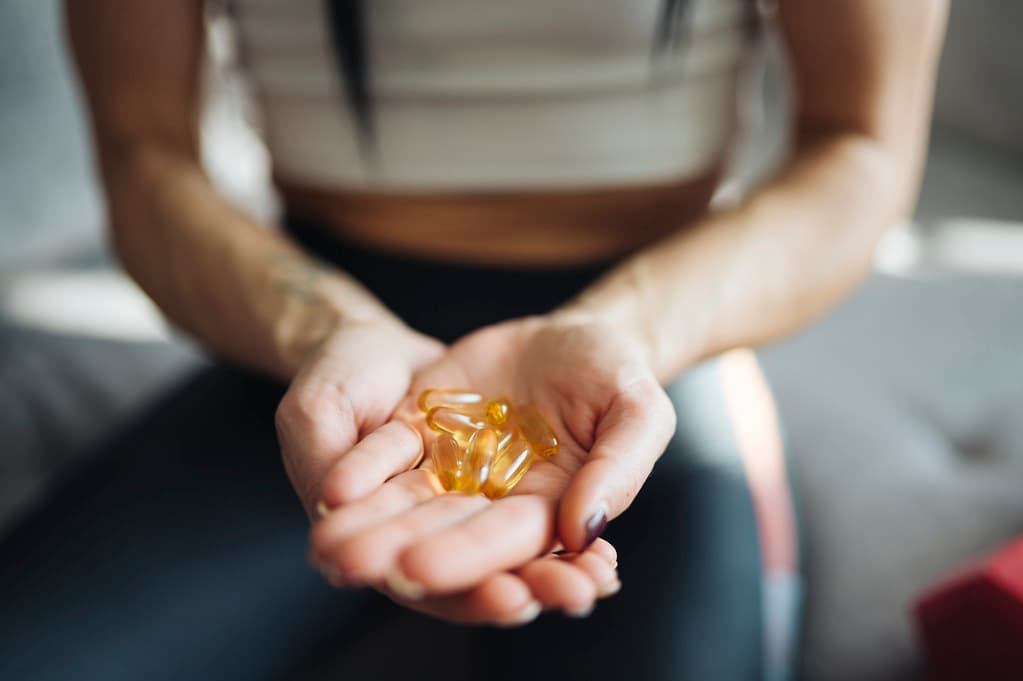
The best form of shilajit to take is purified, lab-tested resin, because it is the closest to the raw material and tends to carry the highest concentration of fulvic acid and minerals per serving. That said, the truly best form is the one you will take consistently, so capsules, honeysticks, and gummies can beat resin in practice if the taste or mess of resin keeps you from using it daily. Format matters less than purity and your own adherence.
For maximum potency choose purified resin from a brand that publishes batch testing; for convenience choose capsules or honeysticks. Either way, third-party lab testing matters more than the form on the label.
Below you will find each shilajit form compared by bioavailability, ease of use, and dosing accuracy, plus the safety notes that apply no matter which you pick.
Quick Comparison of Shilajit Forms
Here is the short version before we dig into each one. Bioavailability differences between forms are smaller than most marketing suggests, and the bigger swings come from purity and dose.
| Form | Potency per serving | Bioavailability | Convenience | Dosing precision |
|---|---|---|---|---|
| Resin | Highest | High | Low (sticky, tastes bitter) | Moderate (eyeball or scale) |
| Capsules | Moderate | Moderate to high | High | High |
| Powder | Moderate to high | Moderate | Moderate | Moderate |
| Gummies | Low to moderate | Moderate | Very high | High |
| Liquid drops | Moderate | Moderate to high | High | High |
| Honeysticks | Moderate | Moderate to high | Very high | High |
If you want the full background on the active compounds these forms deliver, our complete shilajit benefits guide and the shilajit fulvic acid explainer cover what the evidence does and does not support. For a broader purchasing overview, the ultimate shilajit buying guide for 2026 ties form choice to brand selection.
What "Bioavailability" Actually Means Here
Bioavailability is the share of a compound that reaches your bloodstream in active form. Shilajit's headline actives are fulvic acid, dibenzo-alpha-pyrones, and a spread of trace minerals. Fulvic acid itself is studied partly because it can act as a carrier molecule that helps shuttle minerals across membranes, which is why it gets so much attention.
The honest picture is that there are no large head-to-head human trials proving one shilajit form is dramatically more absorbable than another. Most absorption claims lean on the chemistry of fulvic acid and on general supplement science rather than direct comparisons. You can read a neutral overview of fulvic and humic substances at Examine and a primer on how the body handles supplements at Cleveland Clinic.
So when a brand claims its capsule is "300% more bioavailable," treat that as marketing unless it links to a published study. Purity, dose, and consistency move your results far more than the wrapper.
Resin: The Reference Standard
Resin is the traditional, minimally processed form. Good resin is a thick, dark, tar-like paste that dissolves in warm water and smells earthy. Because it is the least processed, it usually delivers the most fulvic acid and minerals per gram, which is why we call it the reference standard.
The trade-offs are real. Resin is sticky, the taste is bitter, and dosing means eyeballing a pea-sized amount or weighing it on a small scale. It can also be the form most vulnerable to adulteration, so brand transparency is non-negotiable. Our shilajit resin overview and the how to test shilajit quality walkthrough show simple at-home checks plus what only a lab can confirm.
If resin is your pick, lean toward purified, batch-tested options. The PakShilajit purified Himalayan resin and the lab-focused DBP-verified Natural Shilajit 20g both emphasize testing, while the Herbs Mill Himalayan Shilajit Essential resin is a straightforward general-purpose choice. For the easiest way to actually swallow it, see how to take shilajit and our guide to mixing shilajit resin into coffee, tea, and smoothies.
Capsules: Best for Convenience and Precision
Capsules are the most practical form for busy routines. Each one holds a measured dose, there is no taste to fight, and travel is simple. The dose precision alone makes capsules the form many people stick with longest.
The catch is that you depend entirely on the brand's fill quality. Capsules can contain purified extract or cheaper filler, and a "1000 mg" capsule is not the same as 1000 mg of active fulvic acid. Standardization to a stated fulvic-acid percentage is what you want to see. Our shilajit capsules and shilajit extract pages explain how concentration and standardization change what you actually get.
For capsule shoppers, the Himalayan Pure Extract Capsules are a clean standardized option, and sugar-free absorption-focused formulas are also widely sold. To dial in your amount, cross-check our shilajit dosage guide.
Powder: Flexible but Variable
Powder sits between resin and capsules. It mixes into liquids, lets you scale the dose up or down, and is easy to store. For people who want to add shilajit to a smoothie or coffee, it blends more smoothly than sticky resin.
The downside is variability. Powder is easy to cut with cheaper material, and the surface area means it can degrade faster if stored poorly. Keep it sealed and dry, and follow the same storage logic in our how to store shilajit and does shilajit expire guides. The shilajit powder page covers how to judge quality before you buy.
Gummies: Lowest Friction, Lowest Potency
Gummies are the easiest form to remember and the friendliest to taste-averse users. If a daily habit is your real obstacle, a gummy you enjoy beats a resin you avoid.
Be realistic about potency. Gummies carry less active material per serving and often add sugar and binders, so they are better as a maintenance dose than a high-potency protocol. Many also pair shilajit with other ingredients, like the shilajit gummies with ashwagandha, which can be a plus if you want a combined adaptogen routine. Our shilajit gummies breakdown and the shilajit and ashwagandha pairing guide go deeper.
Liquid Drops and Honeysticks: Easy Daily Formats
Liquid drops give you fast mixing and flexible dosing from a dropper, which makes them a tidy middle ground between resin potency and capsule convenience. Look for drops that state a fulvic-acid percentage, and read the shilajit liquid page to learn what to check on the label.
Honeysticks pre-portion resin into single-serve packets blended with honey, which masks the bitterness and travels well. They are popular for on-the-go use, like the BetterAlt honeysticks. See our shilajit honey sticks guide and the shilajit and honey explainer for the trade-offs, including the added sugar to keep in mind.
How to Choose the Best Form for You
Match the form to your goal and your habits, not to a hype claim. Use this quick logic:
- Want maximum actives per dose and you do not mind taste or mess: choose resin.
- Want precision and travel-friendliness: choose capsules or liquid drops.
- Hate the taste or always forget supplements: choose gummies or honeysticks.
- Want to mix into drinks and adjust the dose: choose powder or resin.
Across every form, the same three filters apply: third-party heavy-metal testing, a stated fulvic-acid percentage, and a named Himalayan or Altai source. The U.S. Office of Dietary Supplements explains why supplement quality varies so much in its dietary supplements consumer guide, and the FDA's supplement overview covers how these products are (and are not) regulated.
For brand-level shortlists, see our best shilajit and best shilajit brand roundups. If you are deciding between color grades, the guide to choosing between gold, silver, and black shilajit varieties explains what those tiers mean.
Does the Form Change the Dose?
Yes, indirectly. A pea-sized resin serving, a standardized capsule, and a gummy can deliver very different amounts of active compound, so you cannot assume one of each is equivalent. Read the fulvic-acid content, not just the milligrams of "shilajit."
Most people start low and adjust. Our shilajit dosage guide and the timing breakdown in best time to take shilajit, morning vs night help you build a routine, and many users cycle with breaks as described in our shilajit cycling protocol.
Safety: What Applies to Every Form
No form is safe if the source is dirty. Unpurified shilajit can concentrate heavy metals such as lead, arsenic, and mercury, which is why batch testing is the single most important thing to verify. You can review heavy-metal exposure basics at Healthline and general supplement-safety guidance at Mayo Clinic.
Some people should avoid shilajit entirely or talk to a clinician first:
- Anyone who is pregnant or breastfeeding, since safety has not been established. See our shilajit for pregnancy safety page.
- People with iron-overload conditions such as hemochromatosis, because shilajit can add iron.
- Anyone on prescription medication, since interactions are possible. Check with your prescriber.
- People with gout or active uric-acid issues, who should review the evidence carefully.
For a fuller rundown, read is shilajit safe and the shilajit side effects overview. The bottom line holds for resin, capsules, powder, gummies, liquid, and honeysticks alike: a tested product from a transparent brand is worth far more than a clever-sounding format.
Frequently Asked Questions
Q: What is the best form of shilajit to take overall?
Purified, lab-tested resin is the best form for potency because it is closest to the raw material and usually highest in fulvic acid and minerals per serving. If taste or mess stops you from using resin daily, capsules or honeysticks are better in practice, since the form you take consistently always wins.
Q: Is shilajit resin really more bioavailable than capsules?
Resin tends to be more concentrated per gram, but there are no large human trials proving it is dramatically more absorbable than a quality capsule. Differences between forms are usually smaller than differences in purity and dose, so prioritize testing and standardization over the format.
Q: Are shilajit gummies as effective as resin?
Gummies are convenient and pleasant but generally carry less active material per serving and may add sugar. They work well as a maintenance dose or for people who would otherwise skip shilajit, but resin or standardized capsules deliver more actives if potency is your goal.
Q: How do I know any form is high quality?
Look for three things on every label or website: third-party heavy-metal testing per batch, a stated fulvic-acid percentage, and a named Himalayan or Altai source. Our how to test shilajit quality guide covers at-home checks and what only a lab can confirm.
Q: Can I switch between shilajit forms?
Yes, but do not assume doses are equal across forms. A resin serving, a capsule, and a gummy can contain very different amounts of active compound, so check the fulvic-acid content and adjust using our shilajit dosage guidance when you change.
How we research this content
This article was written by Paula Kessler and reviewed against published research and traditional sources by the Clean Shilajit editorial team. Where we reference studies, we link to them so you can read the original.
This content is for education and is not medical advice. It follows our editorial guidelines and is updated as new evidence emerges. Always speak with a qualified healthcare provider before changing your supplement routine.
TAGS
Ready to Experience Pure Shilajit?
Check out our recommended products and start your wellness journey today.
View Recommended ProductsRelated Articles
Do Shilajit Gummies Really Work? An Evidence-Based Answer
Do shilajit gummies really work? Sometimes. Learn how dose, fulvic acid content, and added sugar affect whether shilajit gummies actually deliver benefits.
Shilajit Gummies vs Resin: Are Gummies Actually Effective?
Shilajit gummies vs resin: gummies are easier to take but usually weaker and full of sugar. Here is how the two forms really compare on dose, purity, and value.
Shilajit Pills vs Resin: Which Form Is Actually Better?
A clear shilajit pills vs resin comparison covering potency, dosing, taste, price, and absorption, so you can pick the form that fits your routine and budget.