
Shilajit Pills vs Resin: Which Form Is Actually Better?

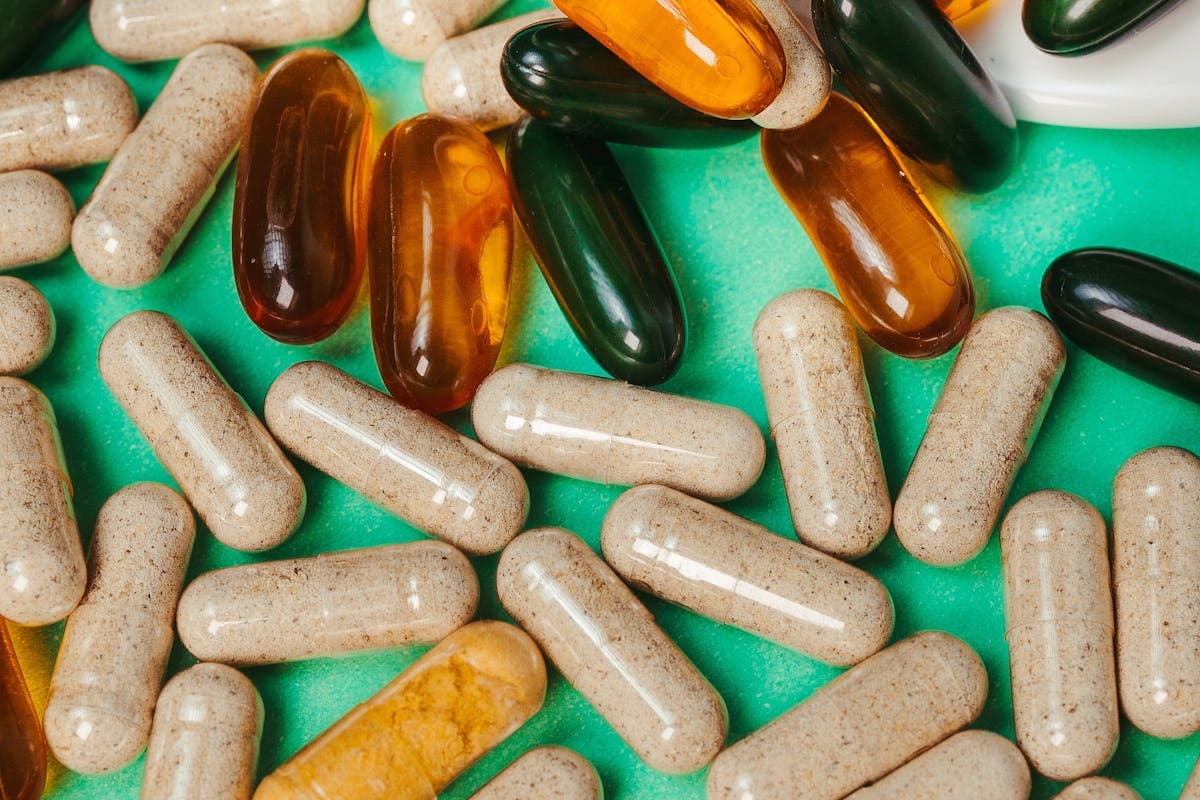
If you are choosing between shilajit pills vs resin, here is the short answer: resin is the traditional, less processed form that tends to be more potent and better value per dose, while capsules and tablets win on convenience, precise dosing, and avoiding the strong tar-like taste. Neither is automatically "better." The right pick depends on whether you care more about purity and cost or about speed and not tasting your supplement.
Both forms start from the same raw material, a sticky mineral pitch scraped from high mountain rocks. The difference is what happens next, how much it gets processed, and how you end up swallowing it. This guide breaks down the real trade-offs so you can decide in a couple of minutes.
In short: shilajit resin is usually purer and cheaper per serving but messy and bitter, while capsules and tablets are tidy and travel-friendly but cost more per dose and sometimes hide fillers, so resin suits home use and pills suit busy or on-the-go routines.
Resin vs capsules at a glance
| Factor | Resin | Capsules / pills |
|---|---|---|
| Processing | Minimal (purified, dried) | More (dried, powdered, encapsulated) |
| Taste | Strong, bitter, earthy | Mostly tasteless |
| Dosing | Eyeball a rice-grain portion | Fixed mg per pill |
| Convenience | Sticky, needs water or tea | Grab and go |
| Cost per dose | Usually lower | Usually higher |
| Easy to verify quality | Yes (look, smell, dissolve test) | Harder (sealed powder) |
If you want the deeper dive on each format on its own, our pages on shilajit resin and shilajit capsules go further than this comparison, and the tablets guide covers the pressed-pill version specifically.
What shilajit resin actually is
Resin is the form closest to how shilajit has been used in traditional Ayurvedic practice for centuries. The raw pitch is purified to remove rock, soil, and microbial contaminants, then concentrated into a thick, dark paste. You scoop out a portion about the size of a grain of rice or a small pea and dissolve it in warm water, milk, or tea.
Because resin skips the powdering and encapsulating steps, it generally keeps more of its natural compound profile intact, including the fulvic acid and trace minerals that researchers point to most. The National Institutes of Health notes that fulvic acid is the fraction most often studied for antioxidant activity, and you can read more general background through the NIH Office of Dietary Supplements. For a plain-language overview of what the substance is, Healthline's shilajit explainer is a reasonable starting point.
A quality resin should be tacky at room temperature, soften in your warm hands, and fully dissolve in warm water without grit or oily residue. If you want to test a jar yourself, our quality testing walkthrough shows the simple at-home checks. Popular resin picks include the value-oriented Herbs Mill Himalayan Shilajit Essential and the purity-focused PakShilajit purified resin, both of which come as a scoopable paste.
What capsules and tablets actually are
Capsules and pills take that same purified material, dry it into a powder or standardized extract, and pack a measured amount into a gelatin or vegetarian shell (capsules) or press it into a pressed pill (tablets). The appeal is obvious: you get a fixed dose, no taste, no sticky spoon, and something you can drop in a pill organizer or carry in a bag.
The trade-off is processing and transparency. More steps mean more chances for fillers, flow agents, or low-grade powder to sneak in, and a sealed capsule is harder to inspect than an open jar of resin. That is why the certificate of analysis matters even more for pills. If you want a precise milligram count every day, a clean capsule like the Himalayan Pure Extract capsules or a sugar-free, absorption-focused option such as Root Labs ShilAbsorb removes the guesswork that resin leaves to your eyeballs.
For a fuller breakdown of how processing changes the final product, see how shilajit is made. And if you are weighing other formats entirely, the supplement guide compares resin, capsules, powder, gummies, and liquid side by side.
Potency and absorption: does the form change what you get?
This is where people overthink things. The dose that matters is the amount of actual shilajit, not the form it arrives in. A 500 mg capsule of genuine resin powder and 500 mg of scooped resin deliver broadly the same active material. Resin gets its reputation for being "stronger" mostly because a small scoop is easy to under-appreciate by eye, and because many capsules contain a blend rather than pure extract.
Absorption depends far more on whether you take it on an empty stomach, with warm liquid, and consistently, than on resin versus pill. There is no strong human evidence that one form is dramatically better absorbed than the other; most claims of superior bioavailability are marketing. The broader research base on shilajit in humans is still limited and mostly small, as you can confirm by browsing the indexed studies at PubMed and the review-style entries on PMC. For an evidence-graded summary that avoids hype, Examine's shilajit page is useful.
If you do feel like a product "isn't doing anything," form is rarely the culprit. Our piece on why shilajit isn't working covers the usual real reasons, like under-dosing, low-quality sourcing, or inconsistent timing. The general dosage guidance applies to both resin and pills.
Taste, convenience, and daily routine
Resin tastes intensely earthy and bitter, a bit like dissolving a piece of mountain. Plenty of people grow to like it stirred into coffee or tea, and our guides on mixing resin into coffee, tea, and smoothies and coffee recipes and protocols make that easier. Others never make peace with the flavor, which is exactly when capsules earn their keep.
Capsules and tablets are the obvious choice if you travel, keep a tight morning routine, or simply do not want a sticky jar in your kitchen. They are also easier to dose at work. The flip side is cost: you usually pay more per gram of actual shilajit for the convenience and packaging, a point our price guide breaks down.
There are also middle-ground formats worth knowing about. Honey sticks pre-portion resin into a sweeter, travel-friendly dose, and gummies trade some potency for a candy-like experience. If you want a popular all-purpose resin that splits the difference on price and quality, the BetterAlt Himalayan resin is a common starting point.
Cost and value
Dollar for dollar, resin almost always wins on cost per dose because you are paying for less processing and less packaging. A single jar can last one to three months depending on your serving size. Capsules cost more per equivalent dose, but the convenience can be worth it if a tidy pill is the difference between taking it daily and forgetting.
When you compare prices, normalize to milligrams of actual shilajit, not to "per bottle" or "per jar." A cheap bottle of 60 low-dose capsules can quietly cost more per gram than a premium resin. For lab-verified value, options like the DBP-method-tested NATURAL SHILAJIT 20g let you see what you are paying for. To shop without overpaying, our Amazon buying guide and ultimate buying guide for 2026 walk through how to read labels and avoid markups.
Safety: who should be cautious with either form
Form does not change safety, only sourcing and dose do. Raw, unpurified shilajit can carry heavy metals and contaminants, so buy only products with recent third-party testing whether you choose resin or pills. The FDA does not approve supplements before sale, which puts the burden of verification on you and on credible lab testing.
Some people should avoid shilajit altogether or talk to a clinician first. That includes anyone who is pregnant or breastfeeding, people with hemochromatosis or other iron-overload conditions (shilajit adds iron), and anyone on medications for blood pressure, blood sugar, or blood thinning. People with gout or high uric acid should also be careful. Our pages on shilajit safety and side effects go deeper, and for general supplement caution the Mayo Clinic and Cleveland Clinic have balanced overviews. If you are pregnant, read shilajit and pregnancy safety before considering either form.
So which should you choose?
Pick resin if you want maximum value, the least-processed product, and the ability to inspect quality yourself, and you do not mind the taste or the small daily ritual. Pick capsules or tablets if you value a fixed dose, no flavor, and easy travel, and you are willing to pay a bit more and trust the brand's lab testing. Many people keep both: resin at home, capsules for the road.
Either way, consistency and sourcing beat format every time. Choose a tested product, take it daily, and give it several weeks. For a final shortlist, see our best shilajit roundup.
Frequently Asked Questions
Q: Is shilajit resin stronger than capsules?
Not inherently. Gram for gram of genuine shilajit, resin and capsules deliver similar active material. Resin seems stronger mainly because a tiny scoop is easy to underestimate and because some capsules are blends rather than pure extract. Match the actual dose and the difference largely disappears.
Q: Are shilajit capsules less pure than resin?
They can be, but it is not guaranteed. Capsules go through more processing, which creates more room for fillers or low-grade powder, and a sealed pill is harder to inspect than an open jar. A capsule from a brand with a recent third-party certificate of analysis can be just as pure as good resin.
Q: Which form is better for beginners?
Capsules or tablets are usually easier to start with because the dose is fixed and there is no taste or mess. Once you are comfortable and want better value, many people switch to resin and learn to eyeball a rice-grain portion.
Q: How do I dose resin versus pills?
Resin is typically a portion about the size of a grain of rice to a small pea dissolved in warm liquid, while pills give you a labeled milligram amount per capsule. In both cases, start low, take it on an empty stomach, and follow the product label and general dosage guidance.
Q: Can I switch between resin and capsules?
Yes. There is no need to "cycle off" one form before trying another, as long as your total daily dose stays in a sensible range. Just normalize the dose so you are getting a comparable amount of actual shilajit when you switch.
How we research this content
This article was written by Paula Kessler and reviewed against published research and traditional sources by the Clean Shilajit editorial team. Where we reference studies, we link to them so you can read the original.
This content is for education and is not medical advice. It follows our editorial guidelines and is updated as new evidence emerges. Always speak with a qualified healthcare provider before changing your supplement routine.
Ready to Experience Pure Shilajit?
Check out our recommended products and start your wellness journey today.
View Recommended ProductsRelated Articles
Shilajit Resin vs Capsules vs Powder: Which Form Actually Wins?
A practical shilajit resin vs powder vs capsules comparison covering potency, purity, convenience, cost, and dosing, so you can pick the right form for you.
Shilajit 6:1 Extract Explained: What the Ratio Really Means
Confused about shilajit 6:1 extract and how much to take? Here is what the ratio means, typical doses, and how it compares to raw resin and capsules.
Best Form of Shilajit to Take: Bioavailability Compared
The best form of shilajit to take is purified, lab-tested resin for potency, with capsules and honeysticks winning on convenience. Compare bioavailability here.