
Shilajit and Blood Pressure: Is It Safe for Hypertension?

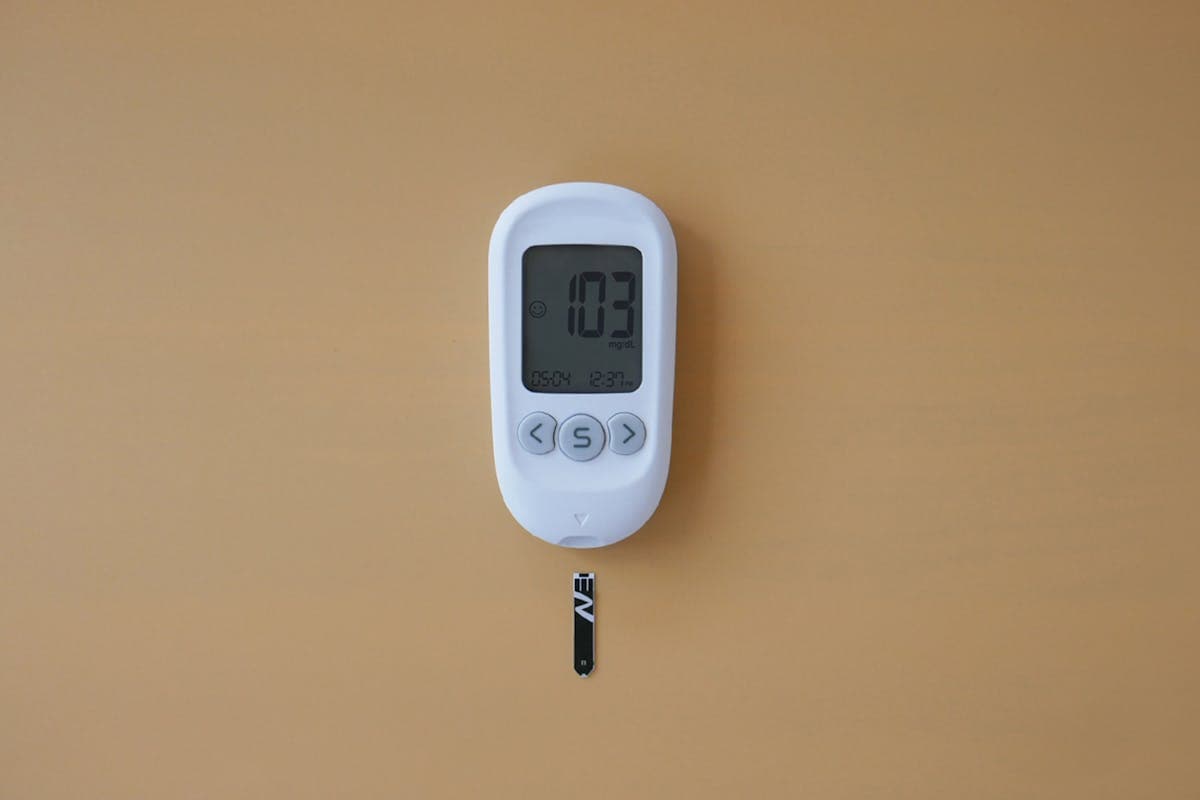
For most healthy adults, shilajit does not appear to cause a meaningful rise in blood pressure, and there is no strong human evidence that it spikes your numbers. The bigger questions are about quality and your personal health picture: a contaminated product, an interaction with your medication, or an underlying condition can change that answer fast.
The short answer: there is no reliable evidence that purified shilajit increases blood pressure in healthy people at normal doses. If anything, its minerals and fulvic acid are more often studied for general cardiovascular support, not harm. But if you take blood pressure medication, have uncontrolled hypertension, or use a low-quality product, you should be cautious and talk to your doctor first.
Below we walk through what the science actually shows, where the real risks sit, and how to use shilajit sensibly if you already manage high blood pressure.
Does Shilajit Increase Blood Pressure?
Shilajit is a sticky mineral-rich resin that seeps from rock in mountain ranges like the Himalayas. If you are new to it, our explainer on what shilajit actually is covers the basics, and the complete benefits guide maps out where the evidence is strongest.
On the question of blood pressure specifically, the honest summary is that direct human data is limited. Most shilajit research focuses on energy, testosterone, and fulvic acid rather than on heart rate or arterial pressure. The traditional Ayurvedic literature treats it as a tonic (rasayana) rather than a stimulant, and you can read more about that history in our piece on traditional Ayurvedic uses.
Here is the quick view of who should relax and who should pay attention:
| Your situation | Concern level | What to do |
|---|---|---|
| Healthy adult, normal BP | Low | Use a lab-tested product at a normal dose |
| On BP medication | Moderate | Check with your doctor before starting |
| Uncontrolled hypertension | Higher | Get BP under control first, then ask |
| Low-quality or untested resin | Higher | Avoid; contamination is the real risk |
The reason quality dominates this conversation is simple. Raw, under-purified shilajit can carry heavy metals, and those contaminants stress your cardiovascular system far more than the resin itself ever would. The U.S. FDA has flagged heavy metal contamination in some supplements, which is exactly why third-party testing matters here.
What the Evidence Actually Says
Shilajit's main active components are fulvic acid and a broad spread of trace minerals. You can dig into the fulvic acid science and the mineral profile separately, but the short version is that neither is a classic pressor agent that would be expected to drive blood pressure up.
A few points worth knowing, described in general terms because the human data is still thin:
- Shilajit is sometimes studied as an antioxidant and a support for healthy circulation, not as a stimulant. General antioxidant context is summarized by the NIH Office of Dietary Supplements.
- Animal and lab studies on fulvic acid suggest anti-inflammatory activity, though these do not translate cleanly into blood pressure claims.
- High-quality human trials measuring blood pressure as a primary outcome are scarce, so anyone promising it lowers or raises your numbers is going beyond the evidence.
For a grounded, vendor-neutral read on supplement evidence in general, Examine is a useful reference, and the Cleveland Clinic has plain-language guidance on managing hypertension itself. If you want to see how we separate hype from fact across the board, our myths debunked article is a good companion.
The Real Risks: Contamination and Interactions
If shilajit ever causes a blood pressure problem, it is usually for one of two reasons, and neither is the pure resin.
Heavy metals and impurities
Unpurified shilajit can contain lead, arsenic, and mercury. Long-term exposure to these metals is linked to cardiovascular harm, and the PubMed literature on lead and blood pressure is extensive. This is the single biggest reason to insist on a third-party lab certification and to learn how to test shilajit quality before you trust any jar. Our broader side effects overview explains why purity is non-negotiable.
When you buy, look for verified products. Lab-tested options such as this DBP-verified Himalayan shilajit or a purified PakShilajit resin exist precisely so you are not gambling on contamination. For convenience without losing testing standards, Himalayan pure extract capsules are a measured-dose alternative.
Medication interactions
This is where caution genuinely earns its keep. If you take blood pressure drugs, shilajit's minerals could in theory stack with your therapy in unpredictable ways, and that deserves a real conversation with your prescriber. Our guide to shilajit drug interactions goes deeper, and the general is shilajit safe overview is worth reading first.
Two mineral cautions matter for heart patients. Shilajit can be iron-rich, which is a problem if you have iron overload, and it can influence uric acid, which ties into overall cardiovascular and kidney load (see our notes on uric acid and gout and kidney health). Healthline has an accessible summary of these considerations.
How to Use Shilajit Safely With Hypertension
If your doctor clears you, a few habits keep things sensible. Start low and watch your response rather than chasing a big dose. Our dosage guide and the practical how to take shilajit walkthrough lay out reasonable amounts.
Pick your format based on how easily you can control the dose. A measured resin like Herbs Mill essential resin works well if you like the traditional approach, while liquid drops make small, consistent dosing easy if you are titrating slowly.
Practical guardrails if you have high blood pressure:
- Monitor at home. Track your numbers for a couple of weeks after starting so you can spot any change. The Mayo Clinic has a solid home-monitoring guide.
- Keep dosing modest and consistent rather than large and sporadic.
- Stay hydrated and avoid stacking shilajit with strong stimulants or pre-workouts.
- Re-check your product's certificate of analysis, not just the marketing.
Timing can also matter for how you feel day to day. Some people prefer mornings to avoid any energy effect near bedtime, which we cover in best time to take shilajit. If you are weighing shilajit against other supplements for heart and performance goals, shilajit vs creatine and the testosterone overview add useful context.
Who Should Avoid Shilajit
Some people should skip it regardless of blood pressure, or only use it under medical supervision:
- Anyone pregnant or breastfeeding. See our pregnancy safety guide; raw shilajit is not appropriate here.
- People with uncontrolled hypertension until their numbers are stable.
- Anyone taking blood pressure, heart, or blood-thinning medication without a doctor's sign-off.
- People with hemochromatosis or iron overload, given shilajit's iron content.
- Anyone using an untested or suspiciously cheap product. Compare quality tiers in our best shilajit roundup before buying.
The bottom line is reassuring for most people and cautious where it should be. Pure shilajit is not a known blood pressure spiker, but your medication list, your existing conditions, and your product's purity are what actually decide whether it is safe for you.
Frequently Asked Questions
Q: Does shilajit increase blood pressure in healthy people?
There is no reliable human evidence that purified shilajit raises blood pressure in healthy adults at normal doses. Any reported problems are usually tied to contaminated, low-quality products rather than to the resin itself.
Q: Can I take shilajit with blood pressure medication?
Only after checking with your doctor. Shilajit is mineral-dense and could interact with your therapy in ways that are hard to predict, so a prescriber should review your specific medications before you start.
Q: Could shilajit actually lower blood pressure?
Some lab and animal research points to antioxidant and anti-inflammatory activity, but high-quality human trials measuring blood pressure are lacking. Do not rely on shilajit to treat hypertension; use proven medical care for that.
Q: What is the safest way to try shilajit if I have hypertension?
Get medical clearance, choose a third-party lab-tested product, start with a low dose, and monitor your blood pressure at home for the first few weeks so you can catch any change early.
Q: Is contaminated shilajit a real blood pressure risk?
Yes. Unpurified shilajit can contain heavy metals like lead, which is linked to cardiovascular harm over time. This is why purity and lab testing matter far more than any direct effect from the resin.
How we research this content
This article was written by Paula Kessler and reviewed against published research and traditional sources by the Clean Shilajit editorial team. Where we reference studies, we link to them so you can read the original.
This content is for education and is not medical advice. It follows our editorial guidelines and is updated as new evidence emerges. Always speak with a qualified healthcare provider before changing your supplement routine.
Ready to Experience Pure Shilajit?
Check out our recommended products and start your wellness journey today.
View Recommended ProductsRelated Articles

Shilajit and Caffeine: Can You Take Shilajit with Coffee?
Does shilajit have caffeine? No. Learn whether you can take shilajit with coffee, how the two interact, dosing, timing, and who should be cautious.

Shilajit Benefits for Men: Testosterone, Fertility, Performance
What shilajit actually does for men: a 20% testosterone gain in 90 days, sperm-quality improvements, recovery, and the realistic protocol behind the headlines.

Shilajit and Testosterone: Clinical Trials, HPG Mechanism & Real Timeline
What the clinical trials actually show on shilajit and testosterone, the HPG-axis mechanism, week-by-week timeline for LH and free T shifts, and safety in young men.