
Shilajit and Caffeine: Can You Take Shilajit with Coffee?

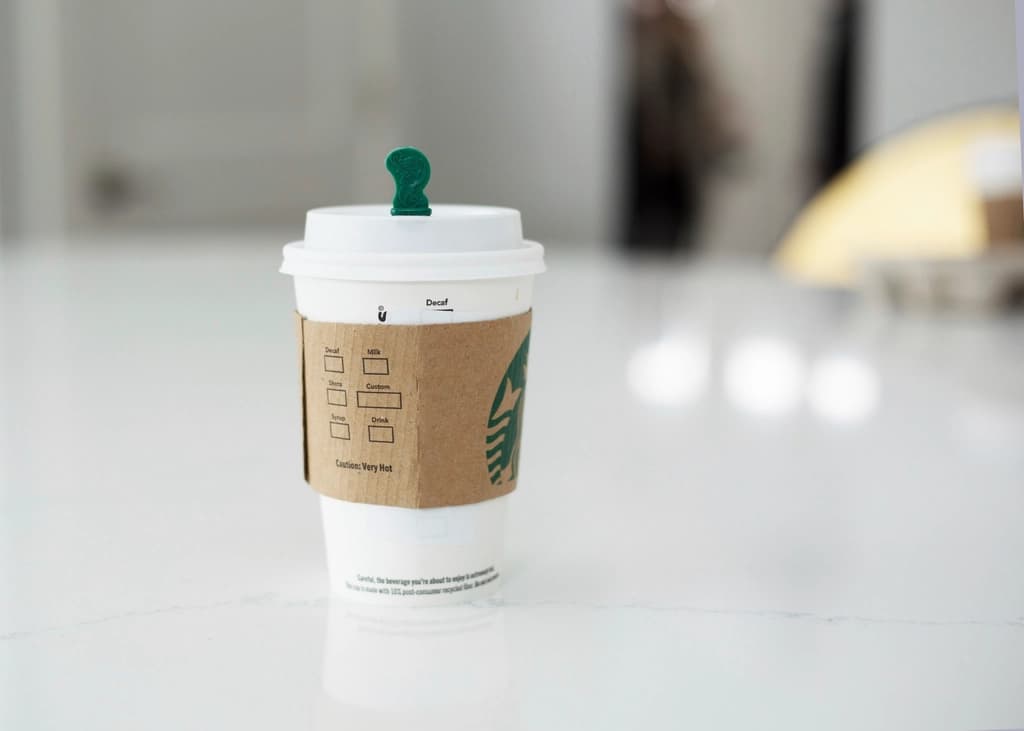
No, shilajit does not have caffeine. It is a sticky, mineral-rich resin that seeps from mountain rock, not a plant like coffee, tea, or guarana that produces caffeine. So if you are wondering whether your evening dose will keep you awake the way a late espresso does, the answer is that any energy you feel from shilajit comes from a completely different mechanism, not a stimulant buzz.
That also means you can usually take shilajit with coffee. The two are not the same kind of "energy," and for most healthy adults combining a normal coffee with a standard shilajit dose is fine. Below you will find how each one actually works, whether mixing them is a good idea, how to time them, and who should be careful.
Short answer: shilajit contains zero caffeine. You can take it with coffee, but the lift you get from shilajit is mineral and mitochondrial support, not a stimulant kick.
Does Shilajit Have Caffeine? The Quick Facts
Caffeine is a specific plant alkaloid found in coffee beans, tea leaves, cacao, kola nut, and guarana. Shilajit is none of those. It is a humic exudate built up over centuries from compressed plant and microbial material, and its main active fractions are fulvic acid, humic substances, and trace minerals. You can read the background on what shilajit actually is and how shilajit is made for the full geology and chemistry.
Here is the simple comparison:
| Property | Shilajit | Coffee |
|---|---|---|
| Caffeine content | Zero | Roughly 80 to 100 mg per cup |
| Main actives | Fulvic acid, minerals | Caffeine, chlorogenic acids |
| Energy mechanism | Cellular and mineral support | Central nervous system stimulant |
| Affects sleep directly | Not via caffeine | Yes, can delay sleep |
| Tolerance buildup | Minimal | Common with daily use |
For a deeper look at the active compounds, see our guides on shilajit fulvic acid and the minerals in shilajit. The U.S. National Institutes of Health Office of Dietary Supplements is a good reference for how supplement ingredients are evaluated, and the FDA's overview of caffeine and how much is too much is worth reading for the coffee side.
Why People Think Shilajit Is a Stimulant
Shilajit has a reputation for boosting energy, so it is easy to assume it works like caffeine. It does not. The proposed mechanism centers on the mitochondria, the parts of your cells that produce ATP. Laboratory research suggests fulvic acid and related compounds may support mitochondrial function and help cells keep producing energy under stress. You can read more in our overview of shilajit for energy and what shilajit does.
That is a slower, steadier kind of support, not a sharp spike and crash. Examine maintains an evidence summary on shilajit that is honest about how small and early much of the human research still is. If you want to see how the experience compares with stimulants in practice, our notes on shilajit before and after describe what realistic results look like over weeks, not minutes.
Because shilajit is not a stimulant, it generally will not cause the jitters, racing heart, or sleep disruption that too much caffeine can. That is part of why some people use it as a shilajit energy option when they want to cut back on coffee.
Can You Take Shilajit with Coffee?
For most healthy adults, yes. Adding a pea-sized portion of resin to your morning coffee is a popular and reasonable way to take it. We have a full walkthrough on how to mix shilajit resin into coffee, tea, and smoothies, plus tested shilajit coffee recipes and protocols if you want it to actually taste good.
A few practical points:
- Hot (not boiling) coffee dissolves resin more smoothly. Very high heat is not ideal for delicate compounds.
- The earthy, slightly bitter flavor of shilajit blends well with dark roast and disappears under milk or a sweetener.
- Mixing shilajit into coffee does not change how much caffeine you get. The coffee provides the caffeine; the shilajit provides minerals and fulvic acid.
If resin in a mug feels messy, capsules are an easy alternative you simply swallow with your coffee. A clean option is Himalayan Pure Extract capsules, which skip the taste and dosing guesswork entirely. For people who prefer the traditional sticky form, a lab-tested resin like the Herbs Mill Himalayan Shilajit Essential or the purity-focused PakShilajit Purified Himalayan resin stirs into coffee well.
Does Combining Them Boost Energy More?
Some people report feeling sharper when they pair the two, but be honest about why. The caffeine is doing the immediate, noticeable work. Shilajit may support energy production over time, but it is not going to multiply a caffeine high. Think of it as two separate tools that happen to fit in the same cup.
If your goal is steadier daytime energy with less reliance on stimulants, a resin standardized for fulvic acid is a sensible pick. Options like the BeepWell shilajit resin or a DBP-verified lab-tested shilajit let you dose precisely. Whatever you choose, get the dose right; our shilajit dosage guide explains why underdosing is the most common reason people feel nothing.
Timing: Morning Coffee vs Evening Shilajit
Because shilajit has no caffeine, you are not locked into morning-only use the way you are with coffee. Many people take it in the morning anyway out of habit, but an evening dose will not keep you wired. Our deep dive on the best time to take shilajit covers the trade-offs, and the general how to take shilajit page covers the basics.
If you are sensitive to caffeine and find coffee disrupts your sleep, the FDA and clinical sources like the Cleveland Clinic suggest cutting off caffeine well before bedtime. You can still take shilajit later in the day. Some people even use it as part of a wind-down routine; see shilajit for sleep for the nuance there.
Safety and Who Should Be Careful
Shilajit is generally well tolerated when it is purified and properly tested, but raw or unrefined shilajit can contain heavy metals, so quality matters enormously. Learn how to vet a product in our guides on how to test shilajit quality and is shilajit safe. The National Center for Biotechnology Information hosts the peer-reviewed literature if you want primary sources.
Caffeine carries its own cautions. It can raise blood pressure and heart rate, worsen anxiety, and interact with certain medications. Reputable clinical guidance from Mayo Clinic and consumer health resources like Healthline explain safe upper limits.
You should avoid shilajit or talk to a clinician first if you:
- Are pregnant or breastfeeding. Safety data is lacking, so skip it (see shilajit for pregnancy safety).
- Have iron overload conditions like hemochromatosis, since shilajit contains iron.
- Take medications for blood pressure, diabetes, or blood thinning, where both shilajit and caffeine could interact.
Watch for any shilajit side effects and stop if something feels off. If you are stacking adaptogens, our note on shilajit and ashwagandha covers a popular pairing, and a combo product like Be Bodywise Shilajit with Ashwagandha bundles them.
Frequently Asked Questions
Q: Does shilajit have caffeine?
No. Shilajit is a mineral-rich resin, not a caffeine-producing plant. It contains zero caffeine, so any energy effect comes from fulvic acid, minerals, and possible mitochondrial support rather than stimulation.
Q: Can you take shilajit with coffee at the same time?
Yes, for most healthy adults. Many people dissolve a pea-sized portion of resin directly into their morning coffee. The coffee supplies the caffeine and the shilajit supplies minerals; they do not cancel each other out.
Q: Will shilajit keep me awake at night like coffee?
It should not, because it has no caffeine. Unlike a late coffee, an evening shilajit dose will not cause a stimulant-driven inability to sleep, though everyone responds a little differently.
Q: Does putting shilajit in coffee reduce its benefits?
Use hot rather than boiling coffee. Very high heat may degrade some delicate compounds. Warm coffee dissolves resin well and should preserve most of the fulvic acid and minerals.
Q: Is shilajit a good caffeine replacement?
Not as a one-to-one swap. It will not give you an instant alertness spike. But for steadier, longer-term energy support, some people use it to gradually lean less on coffee.
How we research this content
This article was written by Paula Kessler and reviewed against published research and traditional sources by the Clean Shilajit editorial team. Where we reference studies, we link to them so you can read the original.
This content is for education and is not medical advice. It follows our editorial guidelines and is updated as new evidence emerges. Always speak with a qualified healthcare provider before changing your supplement routine.
TAGS
Ready to Experience Pure Shilajit?
Check out our recommended products and start your wellness journey today.
View Recommended ProductsRelated Articles
Shilajit Morning or Night: Best Time to Take It for Testosterone
Wondering about shilajit morning or night for testosterone, energy, and sleep? Here is the timing that fits the research, plus dosing and safety advice.
Shilajit and Blood Pressure: Is It Safe for Hypertension?
Does shilajit increase blood pressure? A plain look at the evidence, who should be cautious, drug interactions to watch, and how to use it safely with hypertension.

Shilajit for Energy and Fatigue: What the Research Actually Shows
Does shilajit give you energy? Here is what the research shows on fatigue, mitochondria, and minerals, plus honest dosing and safety from a health writer.