
Shilajit with Water: Cold vs Warm and How to Dissolve Resin

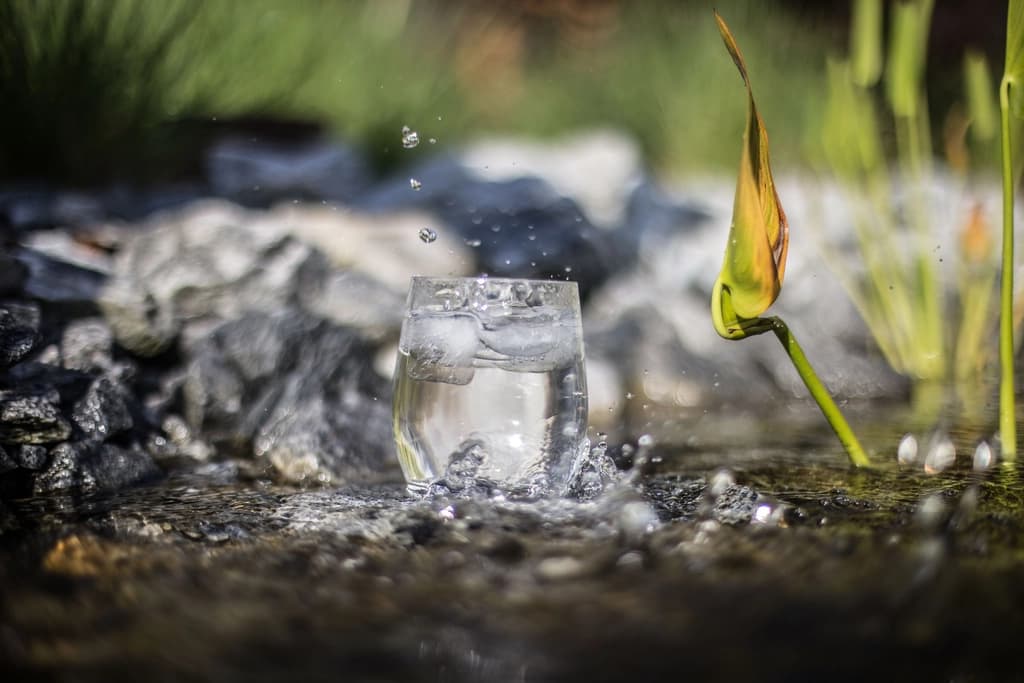
To take shilajit with water, scoop a rice-grain to pea-sized amount of resin (about 300 to 500 mg), drop it into roughly 200 to 300 ml of warm water, and stir or let it sit for a minute or two until it fully dissolves into a dark, cola-colored drink. Then sip it down. Warm water works much faster than cold because heat loosens the sticky resin, but you can use either as long as you give it time to break apart.
That is the whole method in one breath. Below you will find the cold versus warm question answered in detail, exactly how much to use, when to drink it, and a few mistakes that leave people chewing on undissolved blobs.
Quick answer: Dissolve a rice-grain to pea-sized portion of shilajit resin in warm (not boiling) water, stir until uniform, and drink. Warm water dissolves resin faster than cold; boiling water is unnecessary and may degrade heat-sensitive compounds.
Why Water Is the Classic Way to Take Shilajit
Water is the simplest and most traditional carrier for shilajit. It adds no calories, no competing flavors, and nothing that interferes with the resin. That makes it the default recommendation in most usage guides, and it is the format that lets you taste and judge the quality of what you bought.
Shilajit is a mineral-rich resin that seeps from mountain rock and is loaded with fulvic acid and trace minerals. Fulvic acid is water-soluble, which is exactly why dissolving the resin in water is a sensible delivery method. If you want the background on the substance itself, start with what shilajit is and how it is made.
A clean resin should dissolve almost completely, leaving little to no grit at the bottom of the glass. Stubborn sand, sediment, or a refusal to dissolve can be a red flag, which is one reason the water test doubles as an informal quality check.
Cold vs Warm Water: Which Dissolves Resin Better
Warm water wins on speed. Heat softens the sticky humic matrix and pulls the resin apart in under a minute, while cold water can take several minutes of patient stirring. Neither destroys the product, so the choice is mostly about convenience and taste.
Here is the practical breakdown:
| Water type | Dissolve speed | Notes |
|---|---|---|
| Warm (40 to 60 C) | Fast, under a minute | Best everyday choice; pleasant to drink |
| Room temperature | Moderate | Works fine with a little extra stirring |
| Cold | Slow | Doable, but expect lumps unless you wait |
| Boiling | Fast but not advised | Unnecessary heat may degrade sensitive compounds |
The one rule worth following: do not pour boiling water directly onto your resin. Very high heat is not needed to dissolve it, and excessive heat can degrade some of the heat-sensitive organic acids that make shilajit worth taking. Warm, the temperature of a comfortable cup of tea, is the sweet spot. The Cleveland Clinic overview of shilajit is a good plain-language primer if you want a medical source on the substance.
A simple step-by-step
- Measure a rice-grain to pea-sized amount of resin using the scoop that came with your jar (or a clean, dry spoon).
- Drop it into a glass of warm water, around 200 to 300 ml.
- Stir, or simply wait one to two minutes, until the water turns uniform and dark.
- Drink it down. There should be little to no residue.
Keep your scoop dry. Water left in the jar can soften the whole batch and shorten its life, a point covered in how to store shilajit and does shilajit expire.
How Much Shilajit to Put in Water
Most adults use a portion in the range of 300 to 500 mg per serving, roughly the size of a grain of rice up to a small pea. Start low. A smaller dose lets you gauge how your body responds before you scale up, and there is no benefit to overdoing it. For a full breakdown, see the dedicated shilajit dosage guide.
Resins like the Herbs Mill Himalayan Shilajit Essential and the purity-focused PakShilajit purified resin usually ship with a tiny scoop that makes portioning easy. If measuring sticky resin frustrates you, a pre-dosed option like the BetterAlt honeystick format or capsules swallowed with water removes the guesswork entirely.
There is no strong evidence that higher doses give better results, and more is not automatically safer. The examine.com page on shilajit is a useful, citation-backed reference for what the research does and does not support.
When to Drink Your Shilajit Water
You can take shilajit water at almost any time, but two windows are popular. Many people drink it first thing in the morning on an empty stomach, when absorption may be cleanest. Others prefer it earlier in the day for energy and save the evening for rest. The morning-versus-night trade-offs are weighed in best time to take shilajit and the shorter morning or night breakdown.
If you are using shilajit consistently, consider building in breaks rather than taking it every single day forever. The reasoning is laid out in the cycling protocol.
Water is not your only option. If the earthy, slightly bitter taste bothers you, the resin also blends into coffee, tea, and smoothies or pairs classically with honey. A well-rounded resin such as SHILAJOY resin for men and women works in any of these carriers.
What the Research Says (Honestly)
Shilajit has been studied for energy, cognitive support, and male reproductive markers, and its fulvic acid content is the most-discussed active component. Many of these studies are small or early stage, so treat the benefits as promising rather than proven. You can browse the primary literature through PubMed and read mechanistic reviews on PubMed Central.
Trace minerals matter for normal body function, and shilajit supplies several. For context on what individual minerals actually do, the NIH Office of Dietary Supplements fact sheets are the authoritative reference. None of this means shilajit is a treatment for any condition, and you should not use it to replace prescribed care. Our roundup on whether shilajit works keeps the claims grounded.
Quality is the variable that matters most. Purified, lab-tested resin reduces the risk of contaminants. Options that lean into verification, like the DBP-verified 20g resin, are worth the extra cost. Learn what testing actually proves in shilajit lab certification.
Safety and Who Should Avoid It
For most healthy adults, a small daily dose of properly purified shilajit in water is generally well tolerated. Still, this is a supplement, not a regulated medicine, so a few cautions apply.
Avoid shilajit, or talk to a clinician first, if you are pregnant or breastfeeding, since safety has not been established for that group (see shilajit and pregnancy safety). Be cautious if you take medications, have a condition involving iron overload, or have kidney or other chronic concerns, because shilajit contains iron and other minerals that can add up. The U.S. FDA explains how dietary supplements are regulated, which is to say loosely, so vetting the brand is on you. For a fuller picture, read is shilajit safe and the rundown of shilajit side effects.
Unpurified or fake products are the real hazard, since they can carry heavy metals or filler. Stick to verified resin such as authenticity-focused Himalayan shilajit and confirm it dissolves cleanly in water. If anything feels off after taking it, stop and check with a healthcare professional. Healthline's supplement safety guidance is a readable second opinion.
Frequently Asked Questions
Q: How much shilajit do I dissolve in one glass of water?
A rice-grain to pea-sized amount, roughly 300 to 500 mg, in about 200 to 300 ml of warm water. Start at the low end and adjust based on how you feel.
Q: Is warm or cold water better for shilajit?
Warm water dissolves the resin much faster and tastes smoother, so it is the everyday choice. Cold water works too, but you will need to stir longer or wait a few minutes to avoid lumps.
Q: Can I use boiling water to dissolve shilajit?
It is not necessary and not recommended. Very high heat can degrade some of the heat-sensitive compounds. Warm water at roughly the temperature of a drinkable cup of tea is ideal.
Q: Why won't my shilajit fully dissolve in water?
Genuine, purified resin dissolves almost completely. Persistent grit, sand, or floating particles can signal a low-quality or adulterated product, so run a quality test and consider switching brands.
Q: How often can I take shilajit water?
Once daily is typical for most people. Consider taking periodic breaks rather than dosing indefinitely, and check with a clinician if you have a health condition or take medication.
How we research this content
This article was written by Paula Kessler and reviewed against published research and traditional sources by the Clean Shilajit editorial team. Where we reference studies, we link to them so you can read the original.
This content is for education and is not medical advice. It follows our editorial guidelines and is updated as new evidence emerges. Always speak with a qualified healthcare provider before changing your supplement routine.
TAGS
Ready to Experience Pure Shilajit?
Check out our recommended products and start your wellness journey today.
View Recommended ProductsRelated Articles
Shilajit on an Empty Stomach vs With Food: What Works Best
Should you take shilajit empty stomach or with food? Here is what helps absorption, what calms nausea, and the simple timing that works for most people.
How to Take Shilajit for Women: Dosage and Timing Guide
Learn how to take shilajit for women: the right dose, best timing, how to mix it, and clear safety rules on who should skip it entirely.

Shilajit with Milk: Benefits, Ratios and the Traditional Method
Can we take shilajit with milk? Yes. Learn the traditional Ayurvedic method, the right resin-to-milk ratio, timing, benefits, and who should be cautious.