
Shilajit on an Empty Stomach vs With Food: What Works Best

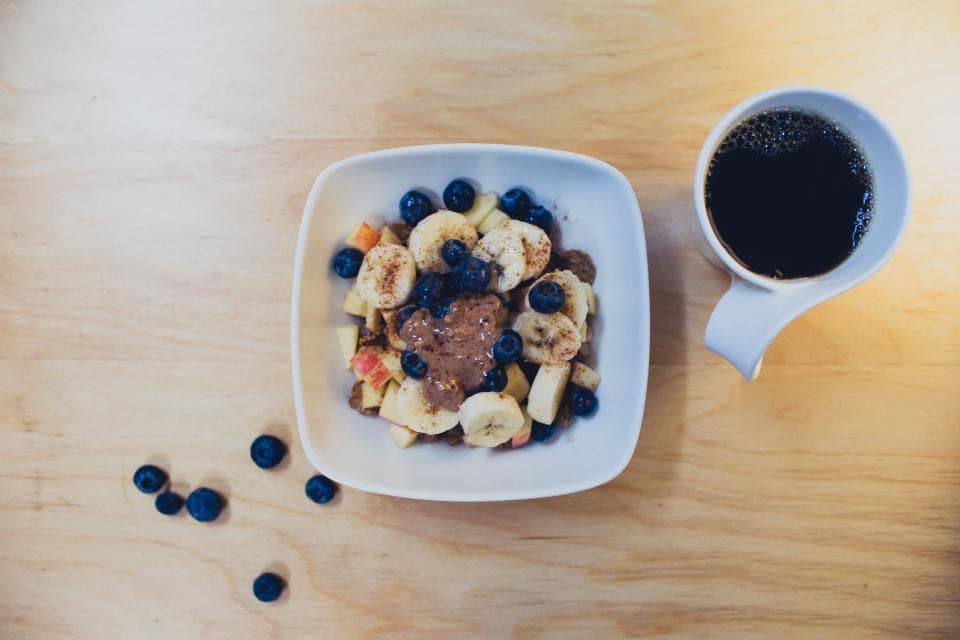
Taking shilajit on an empty stomach is the most common recommendation, and for good reason. With nothing else in your gut, the fulvic acid and minerals have a clear path and may absorb more efficiently. That said, "empty stomach" is not a strict rule. If shilajit makes you queasy, taking it with a small amount of food is completely fine and often the smarter choice.
So which is best for you? The honest answer is that it depends on your stomach more than on any rigid science. Below you will find how to take shilajit empty stomach the right way, when food helps, and how to build a routine you will actually stick to.
Quick answer: Take shilajit on an empty stomach (morning, with warm water) for the cleanest absorption. If it causes nausea or you take it with medication, pair it with a light snack instead.
Empty Stomach vs With Food at a Glance
| Situation | Better choice | Why |
|---|---|---|
| Maximum absorption | Empty stomach | Less competition from other food and minerals |
| Sensitive or easily nauseated stomach | With light food | Food buffers the gut and eases queasiness |
| Taking medications | With food, spaced apart | Reduces interaction and irritation risk |
| Pre-workout energy | Empty stomach, 30 to 60 min before | Faster uptake of the mineral and fulvic compounds |
| First week of use | With a small snack | Lets your body adjust gently |
Why People Take Shilajit on an Empty Stomach
The main argument is absorption. Shilajit is rich in fulvic acid, a compound that acts as a natural carrier for minerals like iron, magnesium, and zinc. When your stomach is empty, there is less for those compounds to bind to or compete with, so the theory is that more reaches your bloodstream.
This idea lines up with how many minerals behave generally. Certain nutrients, including some forms of iron, are known to absorb better without a full meal in the way. The U.S. National Institutes of Health notes that food and other minerals can compete for uptake, which supports taking single-mineral or mineral-rich supplements away from large meals in many cases (NIH Office of Dietary Supplements).
For most people, "empty stomach" simply means first thing in the morning, before breakfast. Dissolve a shilajit resin portion the size of a grain of rice into warm water, stir, and drink. A clean, high-purity resin like Herbs Mill Himalayan Shilajit or the purified PakShilajit Himalayan resin works well for this routine because there are no fillers to slow things down.
If you want to understand the broader timing question, our guide on the best time to take shilajit covers morning versus night in detail.
When Taking Shilajit With Food Is the Smarter Move
Not everyone tolerates supplements on an empty stomach, and shilajit is no exception. The most common complaint is mild nausea or a heavy feeling, especially in the first few days. If that sounds like you, eating a few bites of food first is the easiest fix.
Here is when food is genuinely the better option:
- You feel queasy, lightheaded, or get a stomach ache on an empty stomach.
- You are brand new to shilajit and want a gentle start.
- You take prescription medication and want to space things out and reduce irritation.
- You are using a flavored or sweetened format that pairs naturally with a meal.
Food does not cancel the benefits. It may slightly slow absorption, but a slightly slower uptake that you can tolerate beats a faster one that makes you skip doses. Consistency is what actually drives results, as our overview of how shilajit works explains.
If you struggle with resin, a pre-measured format removes the guesswork. Options like Himalayan Pure Extract Capsules or shilajit gummies with ashwagandha are easy to take alongside a small breakfast, and the gummy format in particular is gentle on a sensitive gut. Honeystick formats can also be taken with or without food if you prefer something simple to carry.
How to Mix It So Your Stomach Cooperates
What you mix shilajit into matters almost as much as timing. Warm (not boiling) water is the classic choice and is easiest on an empty stomach. Milk, plant milk, or a smoothie adds a buffer that many sensitive users prefer, which effectively turns an empty-stomach dose into a with-food one.
Pairing shilajit with honey is a traditional approach that softens the earthy taste and adds a small amount of natural sugar, which can reduce that hollow, queasy feeling. If you want practical recipes, our walkthrough on mixing resin into coffee, tea, and smoothies gives you tested ratios. Just note that combining shilajit with caffeine can amplify a jittery feeling in some people, so go light if you are caffeine sensitive.
A bioavailability-focused product can also help. Something like Root Labs ShilAbsorb is formulated for easier uptake, which is useful if you want the empty-stomach benefit without the harshness.
Dosing and Building a Routine
Timing only works if your dose is reasonable. Most people do well with a small resin portion roughly 300 to 500 mg once daily, though product labels vary, so follow yours and start low. Our full shilajit dosage guide breaks this down by goal and format.
A simple, repeatable routine looks like this:
- Pick one consistent time, usually morning.
- Decide empty stomach or with a light snack based on how you feel.
- Use the same mixer each day so the habit sticks.
- Reassess after two weeks.
If you want to track changes, the before and after timeline is realistic about how long things take. Many users also follow a cycling protocol with occasional breaks. And if you feel nothing after a fair trial, our piece on why shilajit isn't working covers the usual culprits, which are often dosing or product quality rather than timing.
Quality is non-negotiable here, because cheap shilajit can carry contaminants. Stick with lab-tested options and check our how to test shilajit quality guide. A DBP-verified lab-tested resin gives you more confidence about what you are actually putting in on an empty stomach.
Safety and Who Should Be Careful
Shilajit is generally well tolerated, but a few groups should take extra care or avoid it. Anyone who is pregnant or breastfeeding should not use shilajit, since safety has not been established for them (Mayo Clinic on supplement caution during pregnancy).
Because shilajit contains iron and other minerals, people with iron-overload conditions like hemochromatosis should avoid it (Cleveland Clinic on hemochromatosis). If you take prescription medication, especially for blood pressure, diabetes, or blood thinning, talk to your doctor first and take shilajit with food and spaced apart from your medicine. Our overview of shilajit side effects and the broader is shilajit safe guide go deeper.
Heavy-metal contamination is a real concern with unregulated products, which is why third-party testing matters so much. The FDA has flagged some supplements for undisclosed contaminants, so buying from a verified source is part of basic safety (U.S. FDA on dietary supplements). For more on what credible research does and does not show, examine.com keeps a balanced summary (examine.com supplement overview), and you can browse peer-reviewed work on fulvic and humic compounds through PubMed.
Frequently Asked Questions
Q: Is it bad to take shilajit on an empty stomach?
For most people it is not bad and may even improve absorption. The main downside is mild nausea in sensitive users. If your stomach protests, switch to taking it with a small snack instead.
Q: Does shilajit absorb better with or without food?
It likely absorbs a bit better on an empty stomach because there is less competition from other food and minerals. The difference is modest, though, and taking it consistently with food beats skipping doses because of an upset stomach.
Q: How long should I wait to eat after taking shilajit?
If you take it on an empty stomach, waiting around 20 to 30 minutes before eating is a reasonable buffer. This is a general comfort guideline rather than a strict absorption rule, so do what feels right for your body.
Q: Can I take shilajit with coffee or tea?
Yes, many people mix it into warm tea or coffee. Be mindful that the combined caffeine can feel stimulating, so start with a small amount if you are caffeine sensitive or prone to jitters.
Q: What is the best time of day to take shilajit on an empty stomach?
Morning is the most popular choice because it fits an empty stomach naturally and supports daytime energy. Pick one time you can repeat daily, since consistency matters more than the exact hour.
How we research this content
This article was written by Paula Kessler and reviewed against published research and traditional sources by the Clean Shilajit editorial team. Where we reference studies, we link to them so you can read the original.
This content is for education and is not medical advice. It follows our editorial guidelines and is updated as new evidence emerges. Always speak with a qualified healthcare provider before changing your supplement routine.
TAGS
Ready to Experience Pure Shilajit?
Check out our recommended products and start your wellness journey today.
View Recommended ProductsRelated Articles
How to Take Shilajit for Women: Dosage and Timing Guide
Learn how to take shilajit for women: the right dose, best timing, how to mix it, and clear safety rules on who should skip it entirely.
Shilajit with Water: Cold vs Warm and How to Dissolve Resin
Learn how to take shilajit with water, why warm water dissolves resin faster than cold, the right dose, timing, and who should avoid this mineral supplement.

How to Take Shilajit Resin: A Step-by-Step Guide for Beginners
Learn how to use shilajit resin the right way: dissolve a rice-sized portion in warm water or milk, take it once daily, and build up slowly from a low dose.